

If you’ve found yourself staring at the ceiling night after night, desperately wishing for sleep, you’re not alone. Insomnia affects millions of people worldwide, leading to groggy mornings and days filled with exhaustion. But don’t worry, there are practical, quick remedies to help you regain control of your sleep and finally get the rest you deserve. Let’s walk through what might be keeping you up and how you can fix it, step by step.
Why Do You Face Insomnia?
Insomnia can be frustrating, but understanding its root cause is key to finding the right solution. Here are some common reasons you might be struggling with sleep:
1. Stress and Anxiety

When your mind is constantly racing—whether from daily stressors or anxiety—it becomes difficult to fall asleep. Worrying about work, relationships, or just overthinking can keep your brain on overdrive at night.
2. Poor Sleep Environment

Sometimes, the space where you sleep can be a culprit. Bright lights, too much noise, or even an uncomfortable bed can interfere with the body’s ability to relax and sleep.
3. Irregular Sleep Schedule

Going to bed and waking up at different times daily can disrupt your body’s natural sleep-wake cycle, also known as the circadian rhythm. The body thrives on routine, and falling asleep can become a challenge when it doesn’t have one.
The Importance of a Sleep Routine
Building a solid sleep routine is essential for overcoming insomnia. Think of it like training your body and brain to recognize when it's time to rest.
a) Stick to a Schedule

Try to go to bed and wake up simultaneously every day, even on weekends. Over time, your body will adapt and know when it’s time to sleep and wake naturally.
b) Wind Down Before Bed

Create a relaxing pre-bedtime routine, like reading, taking a warm bath, or doing light stretches. These activities signal to your brain that it’s time to relax and prepare for sleep.
c) Avoid Stimulants Late in the Day

Caffeine, nicotine, and even large meals can interfere with your ability to fall asleep. It’s best to avoid these in the hours leading up to bedtime to give your body the best chance to wind down.
How to Cure Insomnia in 10 Minutes? - Quick Remedies
Discover simple remedies like deep breathing and creating a calming environment to help you drift off to sleep.
1. Practice Deep Breathing

One of the quickest ways to relax your body is through deep breathing exercises. Try the 4-7-8 breathing method: inhale for 4 seconds, hold your breath for 7 seconds, and exhale for 8 seconds. Repeat this a few times to calm your nervous system and drift off to sleep.
2. Try Progressive Muscle Relaxation

This involves tensing and then relaxing each muscle group in your body, starting from your toes and working your way up to your head. By the time you finish, your body will be more relaxed, and ready for sleep.
3. Use a Sleep-Friendly Environment

Make your room comfortable for sleeping. Keep it cool, block out light with black curtains, and reduce noise using earplugs or a white noise machine.
By incorporating these quick strategies, you can enhance your sleep quality and wake up feeling refreshed.
Insomnia Treatment
Treatment for insomnia often involves a combination of lifestyle changes, behavioral therapies, and in some cases, medication.
1. Cognitive Behavioral Therapy for Insomnia (CBT-I)
This therapy helps you change negative thoughts and habits around sleep, making it a powerful tool for tackling insomnia. It’s all about retraining your mind for better sleep!
2. Lifestyle Changes
Simple adjustments like sticking to a regular sleep schedule and creating a calming bedtime routine can make a huge difference. It’s about setting the stage for a restful night.
3. Relaxation Techniques
Techniques like mindfulness meditation and deep breathing can help quiet your mind and release tension. They’re great for signaling your body that it’s time to wind down.
4. Medication Options
If necessary, there are medications available, both over-the-counter and prescription, to help with sleep. Just remember, these should be a short-term solution, not a long-term fix.
5. Exercise
Regular physical activity is fantastic for improving sleep quality, but try to avoid intense workouts right before bedtime. Think of it as a way to tire your body out in a good way.
6. Diet Considerations
Consider limiting heavy meals before bed, staying hydrated during the day, eating sleep-promoting foods like nuts and bananas, avoiding sugary snacks, and trying herbal teas like chamomile for better sleep.
7. Address Underlying Conditions
Sometimes, insomnia can be a sign of other health issues, like anxiety or chronic pain. Tackling these root causes can lead to better sleep.
8. Consult a Healthcare Professional
If insomnia is still a struggle, it’s a good idea to talk to a healthcare professional. They can guide you to the right treatment for your specific needs.
Foods That Help You Sleep Better
What you eat can have a significant impact on your ability to fall asleep. Here are some foods that promote sleep.
1. Almonds and Walnuts

Rich in magnesium and melatonin,
Both almonds and walnuts help regulate your body’s sleep-wake cycle.
2. Bananas

Bananas are packed with potassium and magnesium, which help relax muscles and calm your body, making it easier to drift off.
3. Warm Milk

You’ve probably heard this one before, but warm milk contains tryptophan, an amino acid that helps increase serotonin levels and promotes relaxation.
4. Herbal Teas

Teas like valerian root can help ease stress and calm your body, preparing you for a peaceful night’s sleep.
Foods to Avoid for Better Sleep
1. Chocolate and Sugary Treats.

Caffeine can stay in your system for hours, and sugary snacks spike your energy levels, making it hard to wind down. Avoid coffee, chocolate, and sugary treats late in the day.
2. Spicy Foods

Spicy foods can cause heartburn and discomfort, which can keep you awake at night. Try to eat mild meals for dinner to avoid sleep disruption.
3. Alcohol

While alcohol may make you feel sleepy initially, it actually disrupts your sleep cycle and reduces the quality of your rest, leaving you groggy in the morning.
How Technology Affects Your Sleep?
We all love our gadgets. But your phone, tablet, or TV might be keeping you up longer than you think.
1. Disruptive Blue Light
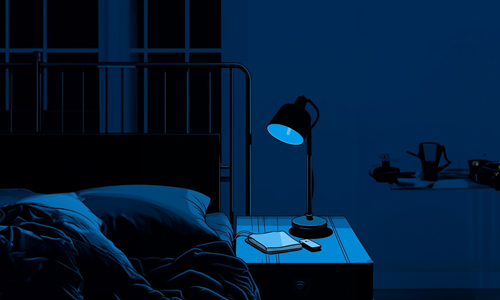
The screens we stare at emit blue light, which suppresses the production of melatonin, the hormone that regulates sleep. This makes it harder for your body to know when it’s time to sleep.
2. The Stress of Constant Stimulation
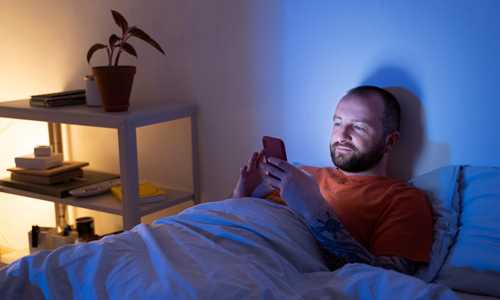
Scrolling through social media or watching exciting shows right before bed can keep your brain wired, making it difficult to wind down.
Side Effects of Insomnia
Physical Side Effects
- Fatigue and Low Energy
- Weakened Immune System
- Increased Risk of Health Issues
- Weight Gain
- Digestive Problems
- Coordination Problems
Mental and Cognitive Side Effects
- Difficulty in Concentrating
- Mood Disorders
- Memory Problems
- Decreased Performance
- Increased Risk of Mental Health Disorders
Few Myths About Sleep
- While some people believe they can function on minimal sleep, the average adult needs 7-9 hours of sleep for optimal health and functioning.
- Unfortunately, catching up on sleep during the weekends doesn't fully compensate for lost sleep during the week. It’s better to establish a consistent sleep schedule.
- Many believe that exercising at night will keep you too energized to fall asleep, but moderate exercise can actually help you wind down. Light activities, such as yoga or stretching before bed, can promote relaxation and improve sleep quality.
- While watching TV might feel like a way to relax, the blue light emitted by screens actually disrupts melatonin production, making it harder to fall asleep. Plus, stimulating content can keep your brain active, preventing proper relaxation.
The Fun Zone
Looking for a fun way to improve your sleep habits? These sleep-themed games are designed to help you relax, learn about healthy routines, and unwind before bed—all while having fun!
1. Sleep Habit Bingo
How to Play?
Create a bingo card with different healthy sleep habits (e.g., "No screen time 1 hour before bed," "Meditated for 5 minutes," "Went to bed at the same time"). Players mark off the activities they complete, and the first one to get a line, row, or column of healthy habits wins.
Purpose
This game helps participants build better sleep routines by encouraging healthy habits.
2. Bedtime Story
How to Play?
Have players create their own short bedtime stories using a list of calm, sleep-inducing words like "dream," "moon," "stars," or "peace." Players take turns building on each other’s story.
Purpose
This encourages relaxation and creativity, helping people feel calm and ready for bed.
By playing these games, you'll not only enjoy yourself but also pick up valuable tips for better sleep. Ready to take control of your rest and beat insomnia with some playful strategies? Let’s get started!
Insomnia doesn’t have to be a lasting issue. By making some changes—like adjusting your routine, trying natural remedies, or avoiding certain foods—you can improve your sleep. Getting enough sleep is important for your health, and by tackling insomnia, you’re helping your body get the rest it needs to be healthy.