

When people hear they need more fiber, the usual advice is a long list of foods.
Eat more beans. Add oats. Try seeds. But knowing what contains fiber isn’t the same as knowing how to fit it into a normal day. That’s where most people struggle.
The truth is, improving your fiber and diet doesn’t require a complete kitchen makeover. It’s about small shifts across the day so your meals quietly carry more fiber without feeling heavy or restrictive.
Think of fiber like background support for your digestion, energy, and appetite. When it’s spread across meals, the body handles it better and you avoid bloating or discomfort.
Here’s a simple, realistic way to build a fiber-friendly day.
A 5-Meal Structure That Naturally Increases Fiber
1. Breakfast: Start With A Fiber Base, Not Just A Beverage

Most low-fiber days begin with breakfasts that are quick but refined such as toast alone or just coffee.
How to add fiber easily:
- Pair your usual breakfast with one natural plant addition
(fruit, soaked seeds, or whole grains) - Keep the portion moderate rather than piling everything on
- Include something that requires chewing, which supports satiety
Starting the day with fiber stabilizes hunger hormones and prevents mid-morning crashes.
2. Brunch Or Mid-Morning Bite: Add, Don’t Replace
This is where people either skip food or grab something ultra-processed.
Instead of changing your routine completely, simply add a fiber element to what you already eat.
Easy strategies:
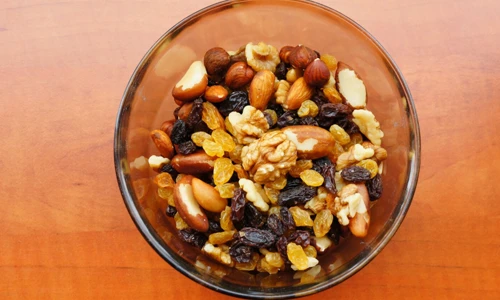
- Add a handful of nuts to your usual snack
- Pair tea or coffee with a fruit instead of a biscuit
- Include a small whole-grain portion if you’re hungry
Small fiber boosts between meals help maintain steady digestion and reduce overeating later.
3. Lunch: Build Your Plate With A Fiber Anchor

Lunch is the easiest meal to increase fiber because it’s typically more balanced.
Rather than focusing on specific foods, think in terms of plate structure.
A simple rule: Half your plate should contain plant foods with texture
This could be vegetables, lentil dishes, whole grains, or mixed preparations.
Practical tips:
- Keep refined carbs, but reduce the portion slightly
- Add one extra vegetable dish instead of removing your favorite foods
- Include something warm and cooked for easier digestion
Why this works:
Fiber at lunch supports afternoon energy and reduces post-meal sluggishness.
4. Evening Snack: Use Fiber To Control Cravings

Late afternoon hunger often leads to sugary snacks because energy dips.
Instead of relying on willpower, let fiber do the heavy lifting.
Smart ways to add fiber here:
- Combine protein + plant fiber (for example, yogurt with fruit or nuts)
- Choose snacks with natural bulk rather than ultra-light processed options
- Eat slowly so fullness signals have time to work
Why this works:
Fiber slows glucose release, preventing the sharp hunger spikes that lead to overeating at dinner.
5. Dinner Or Supper: Keep It Light But Structured

People often assume dinner should be low-fiber to avoid bloating. The key isn’t avoiding fiber, it’s choosing moderate portions and cooked forms.
How to do it:
- Include one cooked vegetable or legume dish
- Avoid very large raw salads late at night if digestion is sensitive
- Keep meals balanced instead of carb-heavy alone
Why this works:
Gentle fiber at night supports overnight digestion and morning regularity.
Why Spreading Fiber Across The Day Matters

Many people try to “catch up” on fiber in one meal, which often leads to discomfort.
A gradual distribution helps:
- Improve gut movement
- Support beneficial gut bacteria
- Maintain stable energy
- Reduce sudden hunger spikes
Think of it as layering support rather than dumping it all at once.
Signs Your Fiber Intake Is Improving
You may notice subtle but meaningful changes:
- More consistent digestion
- Feeling full without heaviness
- Fewer sugar cravings
- Steadier energy between meals
These shifts usually appear within a couple of weeks when fiber increases gradually.
Common Mistakes When Increasing Fiber
- Increasing too quickly
- Forgetting to drink enough water
- Relying only on supplements instead of meals
- Skipping meals and trying to compensate later
Fiber works best when it’s part of a rhythm, not a sudden overhaul.
Improving your fiber and diet isn’t about chasing “superfoods.” It’s about building a day where each meal quietly contributes a little more plant variety and texture.
- Small additions.
- Consistent timing.
- Balanced portions.
When these pieces come together, fiber stops feeling like a goal and starts feeling like your normal way of eating.