Acupuncture has gone from a fringe “alternative” therapy to something your doctor, your physical therapist, and probably your most stressed-out friend have all tried at least once. Walk into almost any wellness clinic today, and you’ll find a treatment table next to the massage room. But what is it actually doing to your body, and is it worth the time and money?
This guide breaks down the real benefits of acupuncture, how the treatment works, what a session feels like, and the safety details most articles skip — including who should think twice before booking one.
What Are the Benefits of Acupuncture?
Acupuncture may help some people manage chronic pain, including low-back pain, neck pain, knee pain, and certain headaches. It may also be used as complementary support for some symptoms, such as treatment-related nausea.
Results vary by condition and person. Acupuncture is not a cure-all, and it should be used alongside—not instead of—appropriate medical care. Before trying it, choose a qualified practitioner and discuss your health conditions, medications, pregnancy status, and implanted medical devices.
What Is Acupuncture, Exactly?
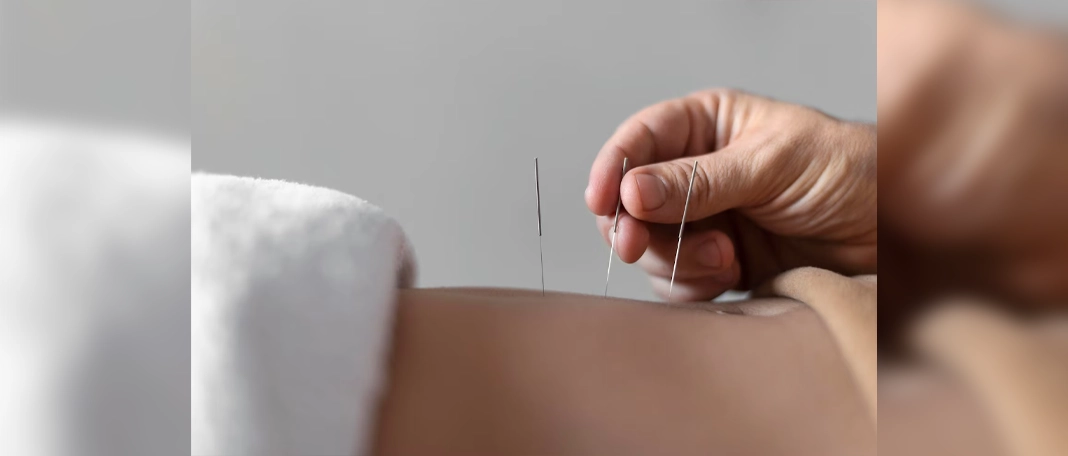
Acupuncture is a form of traditional Chinese medicine that involves inserting extremely thin, sterile needles into specific points on the body. The meaning of acupuncture, in traditional theory, centers on the idea of “qi” (pronounced “chee”) — a vital energy believed to flow through pathways called meridians. When that flow is blocked or imbalanced, the theory goes, illness and pain follow.
Modern medicine doesn’t rely on the energy explanation, but it does recognize that acupuncture therapy produces measurable physiological effects. That’s the gap this article is going to walk through: the traditional theory, the modern science, and what actually happens when a licensed acupuncture therapist treats you.
How Does Acupuncture Work?
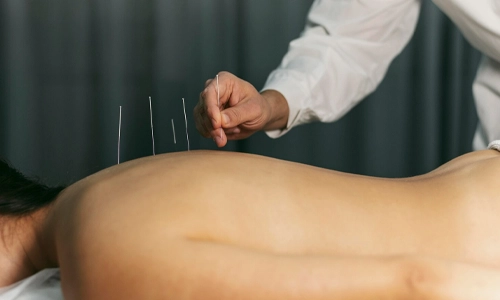
From a Western medical standpoint, here’s how acupuncture treats pain and other conditions, based on current research:
- Nerve stimulation: Needles activate sensory nerves under the skin and in muscle tissue, which can trigger the release of endorphins, the body’s natural painkillers.
- Blood flow: Needling increases local circulation, which can speed healing and reduce inflammation around the treated area.
- Nervous system regulation: Acupuncture appears to influence the autonomic nervous system, the part of your body that controls the “fight or flight” versus “rest and digest” response — which is part of why people report feeling calmer after a session.
- Brain chemistry: Imaging studies suggest acupuncture changes activity in brain regions associated with pain processing and stress regulation.
In short, how it works isn’t fully settled science, but the nerve-stimulation and endorphin-release mechanisms have the strongest research backing so far.
The Real Benefits of Acupuncture, According to Research

Acupuncture isn’t a cure-all, and any article that tells you otherwise is overselling it. But a growing body of clinical research does support real, measurable benefits of acupuncture for several specific conditions.
Chronic Pain Relief
This is where the evidence is strongest. Studies consistently show acupuncture improves outcomes for chronic low back pain, neck pain, osteoarthritis, and migraine, often performing better than no treatment and comparably to standard pain management in some trials.
Stress and Anxiety Reduction
Many people start acupuncture therapy purely for pain, and stay for the stress relief. Sessions tend to lower cortisol and shift the body into a more relaxed state, which is why so many patients describe falling asleep on the table.
Better Sleep
By calming the nervous system, regular sessions have been linked to improved sleep quality and reduced insomnia symptoms, particularly when sleep issues are tied to chronic pain or anxiety.
Mood and Depression Support
Research increasingly points to acupuncture as a useful add-on treatment for mild to moderate depression and anxiety, especially when combined with standard care rather than used as a replacement for it.
Digestive and Nausea Relief
Acupuncture is widely used to manage nausea, including chemotherapy-related and post-surgical nausea, and some patients use it for general digestive discomfort like bloating and acid reflux.
Fertility and Reproductive Support
Some clinics offer acupuncture alongside fertility treatments, with the theory that improved blood flow to reproductive organs and reduced stress may support outcomes. Evidence here is mixed, so it’s best viewed as a complementary option rather than a standalone fertility treatment.
Bottom line: the benefits of acupuncture are most reliable for pain, stress, sleep, and nausea — and most useful when paired with, not used instead of, conventional medical care.
Acupuncture vs. Acupressure: What’s the Difference?
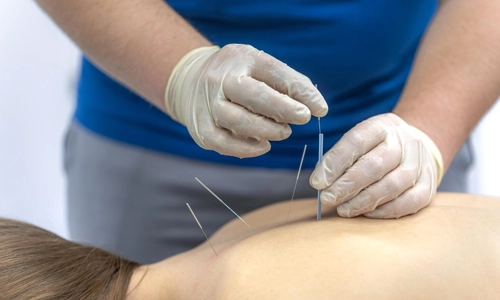
The difference between acupuncture and acupressure comes down to one thing: needles.
- Acupuncture uses thin needles inserted into the skin at specific points and must be performed by a trained practitioner.
- Acupressure uses finger or hand pressure on the same points, with no needles involved, and can often be done at home or by a partner.
Acupressure is generally considered a gentler, lower-risk alternative, but it tends to produce milder and shorter-lasting effects than needle-based treatment.
What Is the New Alternative to Acupuncture?
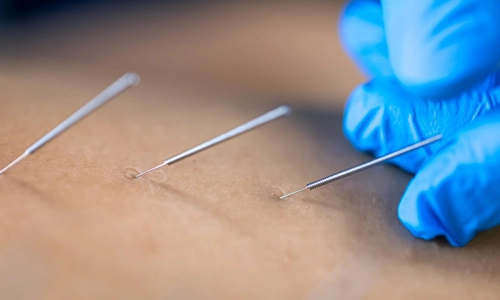
For people who like the concept but not the needles, a few newer options have emerged:
- Laser acupuncture: Uses low-level lasers on the same points instead of needles — popular for children or needle-averse patients.
- Electroacupuncture: Combines traditional needles with a mild electrical current for stronger stimulation, often used for more severe chronic pain.
- TENS (transcutaneous electrical nerve stimulation): A fully needle-free device that stimulates nerves through pads placed on the skin.
None of these fully replicate traditional acupuncture, but they’re reasonable starting points if needles are a dealbreaker for you.
Is Acupuncture Regulated in the US?
Yes, in most states. Acupuncture is regulated in 47 states and Washington, D.C., with only Alabama, Oklahoma, and South Dakota lacking a formal acupuncture practice act. In regulated states, a licensed acupuncture therapist must typically graduate from an accredited program and pass exams through the National Certification Commission for Acupuncture and Oriental Medicine (NCCAOM).
Before booking, it’s worth confirming your provider holds a current state license. Licensure isn’t just paperwork — it’s your best guarantee of proper needle sterilization and safe technique.
What Should I Know Before My First Session?
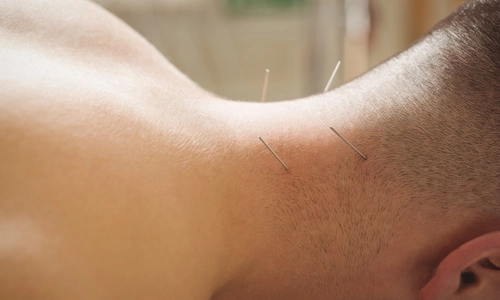
A few practical things make a first visit smoother:
- What to wear for acupuncture: Loose, comfortable clothing that allows easy access to your back, arms, and legs. Many clinics provide a gown if needed.
- Eat a light meal beforehand: Going in on an empty stomach can make some people lightheaded.
- Expect a health intake: Your therapist will ask about your medical history, current medications, and the specific issue you’re targeting.
- The needles are called filiform needles: They’re hair-thin, solid (not hollow like injection needles), and most people describe the sensation as a light pinch or pressure rather than pain.
- Yes, the needles are single-use and sterile: Licensed practitioners use individually packaged, disposable needles that are never reused between patients.
- Sessions typically run 20 to 60 minutes, with the needles left in for 15 to 30 minutes once placed.
Dangers of Acupuncture
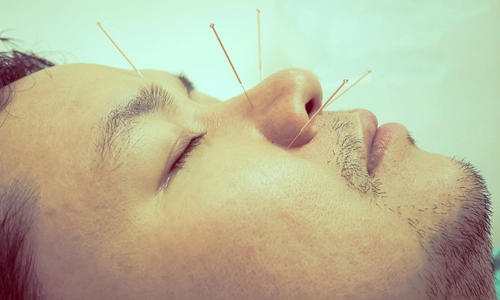
Mild, temporary side effects are the most common, including minor bruising, slight bleeding at the needle site, mild soreness, or brief lightheadedness. Rare but serious risks — usually linked to unlicensed or poorly trained providers — include infection and, very rarely, organ or nerve injury.
What Happens If Acupuncture Hits a Nerve?
Practitioners are trained to avoid major nerves, but if a needle does brush against one, you may feel a brief, sharp, electric-like sensation or tingling that radiates down a limb. This is usually harmless and resolves once the needle is repositioned or removed. Persistent numbness, weakness, or pain after a session should be reported to your provider right away.
Can I Get Acupuncture If I Have a Pacemaker?
Traditional needle acupuncture is generally considered safe with a pacemaker. However, electroacupuncture — which adds electrical stimulation — is typically avoided or used with caution near the device, since it can theoretically interfere with pacemaker function. Always tell your acupuncturist about any implanted medical device before treatment.
The Five Forbidden Acupuncture Points
Traditional Chinese medicine identifies certain points considered too risky for needling in specific situations — most notably during pregnancy, when points like Hegu (LI4), Sanyinjiao (SP6), Zhiyin (BL67), Jianjing (GB21), and Kunlun (BL60) are traditionally avoided because they’re believed to stimulate uterine contractions. A qualified practitioner will know to avoid these points, or skip needling altogether, with pregnant patients unless treating labor-related concerns under proper supervision.
Golden Rules of Acupuncture
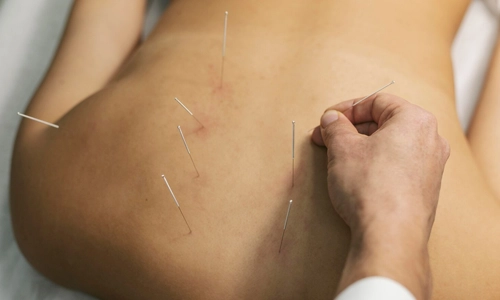
Across traditional and modern practice, a few principles hold consistently: only see a licensed practitioner, disclose your full medical history, including pregnancy and implanted devices, never receive treatment over broken or infected skin, confirm single-use sterile needles, and stop the session immediately if you feel sharp, shooting pain rather than a dull ache or pressure.
What Are the Signs Acupuncture Is Working?
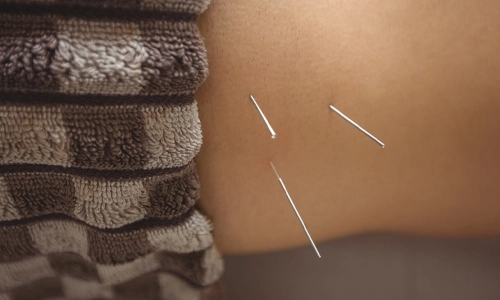
Most people don’t feel a dramatic shift after one visit. Early signs it’s working tend to include:
- Feeling unusually relaxed or sleepy right after a session
- A gradual reduction in pain intensity over several sessions, rather than instant relief
- Improved sleep quality within the first 1 to 2 weeks
- Less muscle tension or stiffness in the treated area
- A general sense of calm or improved mood lasting a day or two after treatment
Who Should Speak With a Clinician Before Trying Acupuncture?
Tell your healthcare professional and acupuncturist before treatment if you are pregnant or trying to conceive, have a bleeding disorder, take blood-thinning medication, have a weakened immune system, have a pacemaker or other implanted electrical device, or have broken, infected, or irritated skin near the treatment area.
Electroacupuncture may not be suitable for people with certain implanted cardiac devices. A qualified practitioner should review your medical history before treatment.
Frequently Asked Questions
Is acupuncture regulated in the US?
Yes, 47 states and Washington, D.C. regulate acupuncture, requiring licensure through accredited training and NCCAOM certification.
What are acupuncture needles called?
They’re called filiform needles — hair-thin, solid, stainless steel needles designed for minimal discomfort on insertion.
Are acupuncture needles reused?
No. Licensed practitioners use individually packaged, sterile, single-use needles that are disposed of after each session.
Are Acupuncture Needles Safe to Use?
When performed by a licensed practitioner using sterile, single-use needles, acupuncture is considered very safe. Serious complications are rare. That said, like any medical procedure, it isn’t entirely risk-free.
How long should acupuncture needles stay in?
Typically 15 to 30 minutes per session, though this can vary based on the condition being treated and your practitioner’s approach.
What should I wear to acupuncture therapy?
Loose, comfortable clothing that gives easy access to your back, arms, and legs works best for most treatment plans.
Does acupuncture actually work?
Research supports real benefits for chronic pain, stress, nausea, and sleep, though results vary by person and condition treated.
Can Acupuncture Reduce Creatinine Levels?
Some small studies, mostly conducted in China, suggest acupuncture combined with standard treatment may modestly support kidney function markers like creatinine in patients with chronic kidney disease. The evidence is preliminary and not strong enough to treat acupuncture as a kidney treatment on its own — it should never replace prescribed medical care for kidney disease.
How Many Sessions Do You Need to See Results?
The number of sessions depends on the condition being treated, its severity, your overall health, and whether you notice meaningful improvement. Before starting, agree on a clear treatment goal with your practitioner and reassess progress after a reasonable trial period.
How Long Do Acupuncture Benefits Last?
This varies by condition and individual. Pain relief from a single session often lasts a few days; relief from a full treatment course can last weeks to several months. Many people on maintenance plans return monthly to sustain results, particularly for chronic pain or stress management.
When Should You Stop Acupuncture?
It’s reasonable to stop or reassess if you see no improvement at all after 6 to 8 sessions, if symptoms worsen, if a session causes sharp or lasting pain, or once your original goal — pain relief, better sleep, reduced stress — has been consistently met and maintained without ongoing treatment.
Can Acupuncture Restore Nerves or Reset the Nervous System?
“Restore” and “reset” are popular but oversimplified terms. Acupuncture doesn’t regenerate damaged nerve tissue. What it can do is modulate how the nervous system processes pain and stress signals — shifting the body from a heightened “fight or flight” state toward a calmer baseline. For nerve-related conditions like neuropathy, acupuncture is best used as a symptom-management tool alongside, not instead of, medical treatment.
The benefits of acupuncture are best supported for chronic pain, stress, nausea, and sleep — and weakest for the bigger claims you’ll find on less careful corners of the internet. Used as a complement to conventional care, with a licensed practitioner and sterile, single-use needles, it’s a low-risk option worth trying if you’re managing a condition that hasn’t fully responded to standard treatment alone.