

Swollen feet are more than just uncomfortable for people with diabetes. They can signal circulation problems, nerve damage, or fluid retention that needs attention. If you’re living with diabetes and noticing puffiness around your feet or ankles, you’re not alone. Diabetic swelling in feet is a common but often misunderstood issue.
The good news is that, with the right care, it can often be reduced and managed.
Let’s understand why it happens and what actually helps.
Why Do Diabetics Get Swollen Feet?

Swelling in the feet, also called edema, occurs when excess fluid builds up in tissues. In people with diabetes, this can happen for several reasons.
1. Poor Blood Circulation
It can damage blood vessels over time, slowing circulation in the legs and feet. Poor circulation allows fluid to pool, causing swelling.
2. Nerve Damage (Diabetic Neuropathy)
Nerve damage can weaken muscles that help move fluid back toward the heart. This makes swelling more likely, especially after long periods of sitting or standing.
3. Kidney Problems
Diabetes is a leading cause of kidney disease. When kidneys don’t filter fluid properly, swelling often shows up first in the feet and ankles.
4. Infections or Foot Injuries
Small cuts, blisters, or infections can cause inflammation and swelling. Because diabetes reduces sensation, injuries may go unnoticed and worsen.
5. Heart-Related Issues
Heart conditions, which are more common in diabetics, can also contribute to fluid retention in the lower legs and feet.
Common Symptoms to Watch For

People with diabetic swelling in feet may notice:
- Puffiness around feet and ankles
- Tight or shiny skin
- Reduced flexibility in toes
- Sock or shoe marks that linger
- Warmth or redness (possible infection warning)
Sudden or severe swelling should always be checked by a doctor.
Effective Ways to Reduce Diabetic Swelling in Feet
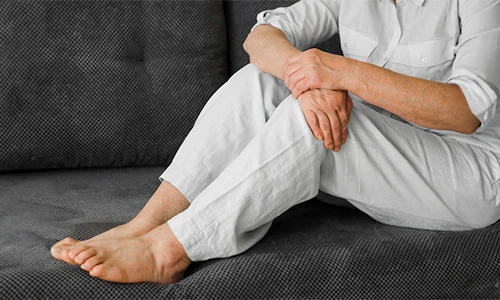
1. Elevate Your Feet Daily
Raise your feet above heart level for 20–30 minutes, two to three times a day. This helps excess fluid drain naturally.
2. Improve Blood Sugar Control
Consistently high blood sugar worsens circulation and fluid retention. Keeping glucose levels stable is one of the most effective long-term solutions.
3. Stay Physically Active
Simple activities like walking, ankle rotations, or seated leg lifts help improve circulation and reduce swelling.
4. Wear Proper Footwear
Choose comfortable, well-fitted shoes and avoid tight socks. Compression socks may help, but only if approved by your doctor.
5. Reduce Salt Intake
Excess sodium causes the body to retain water. Limiting salty foods can significantly reduce swelling.
6. Inspect Your Feet Daily
Check for cuts, redness, blisters, or signs of infection. Early treatment prevents complications that worsen swelling.
7. Stay Hydrated
Drinking enough water helps your body regulate fluid balance and reduces retention.
When Swollen Feet Need Medical Attention

Seek medical help if:
- Swelling appears suddenly
- One foot is more swollen than the other
- There’s pain, warmth, or redness
- You notice sores that don’t heal
- Swelling worsens despite home care
These may signal infection, blood clots, or heart or kidney issues.
Can Diabetic Swollen Feet Be Prevented?

While not always avoidable, you can lower your risk by:
- Keeping blood sugar in range
- Maintaining a healthy weight
- Avoiding long periods of sitting
- Following proper foot care routines
- Attending regular diabetes checkups
Small daily habits make a big difference over time.
FAQs
1. Is diabetic swelling in feet dangerous?
It can be, especially if caused by infection, kidney disease, or circulation problems.
2. Why do diabetics get swollen feet at night?
Fluid tends to collect in the feet after standing or sitting all day.
3. Can high blood sugar cause foot swelling?
Yes. High blood sugar damages blood vessels and worsens fluid retention.
4. Should diabetics use compression socks?
Only with medical advice, as improper use can worsen circulation issues.
5. When should a diabetic worry about swollen feet?
If swelling is sudden, painful, red, or doesn’t improve, seek medical care.
6. Does walking help diabetic foot swelling?
Yes. Gentle movement improves circulation and reduces fluid buildup.