
The Halki Diabetes Remedy is a popular alternative wellness program that claims to reverse type 2 diabetes by addressing the root cause—inflammation. Developed by Eric Whitfield, this protocol promotes natural methods, specifically detoxifying the body through a diet centered around specific anti-inflammatory foods and ingredients.
With diabetes affecting over 37 million Americans (CDC, 2023), and lifestyle being a major contributor, the idea of managing or even reversing symptoms through dietary changes is gaining traction. But how credible is this remedy? Let's unpack the science and analyze its effect on people with diabetes.
The Premise Behind the Halki Diabetes Remedy

According to Eric Whitfield, type 2 diabetes is not solely a result of sugar intake or poor lifestyle habits—it’s also linked to toxins in the environment that trigger chronic inflammation in the body. These toxins are found in the air we breathe, cleaning products, food additives, and even water.
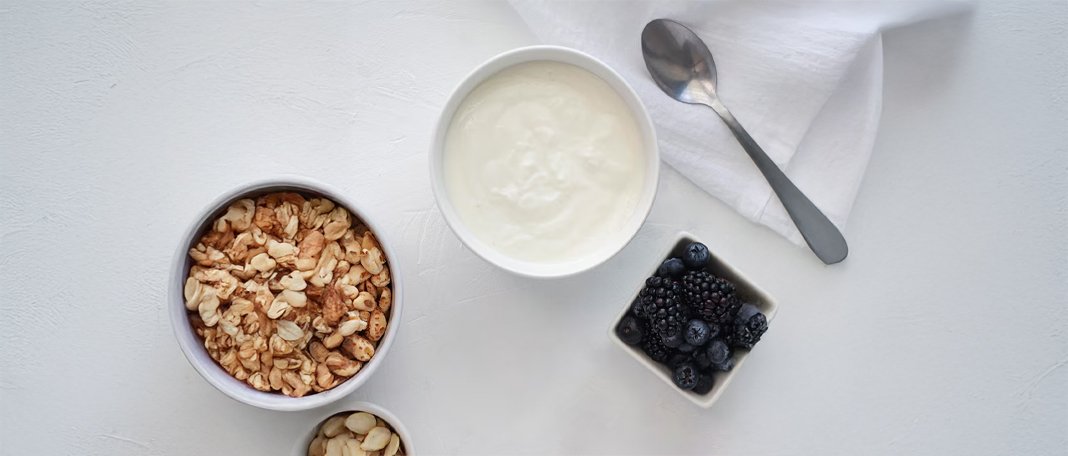
The Halki protocol claims to neutralize these toxins by providing the body with certain vitamins, minerals, and antioxidants that fight inflammation. The diet includes special “salad dressings” made from ingredients like:
- Broccoli sprouts
- Kohlrabi
- Marjoram
- Greek yogurt
- Raspberries
- Olive oil
- Garlic
Each of these is rich in detoxifying agents like sulforaphane, omega-3 fatty acids, and vitamin C—all known to combat inflammation.
Scientific Insights: Does It Align With Diabetes Research?
Let’s look at what science says about the elements of the Halki Diabetes Remedy:
1. Inflammation and Diabetes: The Core Link

Research has consistently shown that chronic inflammation plays a key role in insulin resistance. A 2022 study in Diabetes Care found that individuals with high levels of inflammatory markers like CRP (C-reactive protein) had a 40% higher risk of developing type 2 diabetes.
Impact: If inflammation is reduced, insulin sensitivity may improve—supporting Halki’s main claim.
2. Sulforaphane from Broccoli Sprouts
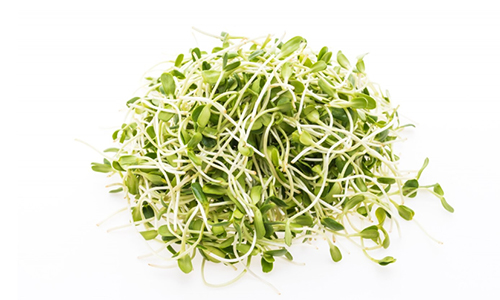
A Swedish study (2017, Science Translational Medicine) showed that sulforaphane, a compound in broccoli sprouts, lowered fasting blood sugar in obese type 2 diabetics.
Impact: This supports the use of cruciferous vegetables in blood sugar management.
3. Antioxidants and Insulin Resistance
Antioxidants such as vitamin C and E are known to reduce oxidative stress in the pancreas, improving insulin production. The Halki Remedy uses multiple antioxidant-rich ingredients.
Impact: A high-antioxidant diet can benefit those with insulin resistance or pre-diabetes.
What's in the Halki Diabetes Remedy Program?

The program is not a supplement or medication—it’s a digital guide that includes:
- 21-day meal plan
- Recipes for anti-inflammatory dressings
- Daily detox protocol
- Light physical activity guidance
- Nutritional explanations
It’s focused on natural whole foods, fiber-rich vegetables, and anti-inflammatory herbs.
Realistic Expectations: What Halki Can and Can’t Do
What It Might Help With
- Improve insulin sensitivity
- Lower blood sugar levels gradually
- Reduce cravings and stabilize energy
- Encourage healthier food choices
- Minimize oxidative stress
What It Won’t Do
- Replace prescribed insulin or medication
- Provide immediate or miraculous results
- Work without consistency or commitment
- Cure type 1 diabetes (autoimmune)
Expert Opinions
Most endocrinologists agree that diet plays a huge role in diabetes management, but they caution against programs that claim to “reverse” diabetes without strong scientific backing.
Dr. Maria Gonzalez, an endocrinologist at NewYork-Presbyterian, notes: “While reducing inflammation is certainly beneficial, one must not abandon conventional therapies. Programs like Halki can be a supportive lifestyle strategy, not a standalone treatment.”
Testimonials and Reviews
The program has mixed reviews online. Many users reported:
- More stable glucose levels
- Weight loss
- Improved digestion
- Less fatigue
However, there are also skeptics who argue that the results may come from general clean eating, not a magical combination of ingredients.
One reviewer said: “I tried it for a month. My blood sugar went from 180 to 130 fasting, but I was also exercising and avoiding junk. It helped—but it wasn’t a miracle.”
Risks and Considerations
The remedy is safe for most people, as it encourages whole foods and eliminates processed items. However:
- Individuals with allergies to cruciferous veggies or dairy should be cautious
- Those with kidney issues should consult a doctor before drastically increasing greens or protein
- Diabetics on medication must monitor glucose levels closely to avoid hypoglycemia
FAQs (People Also Ask)
Is the Halki Diabetes Remedy FDA-approved?
No, it is a digital lifestyle program and does not require FDA approval.
Can the Halki Remedy replace insulin?
No. It is a complementary method, not a substitute for medical treatment.
Who should avoid the Halki Remedy?
People with kidney disease, pregnant women, or those on strict medical diets should consult a doctor before starting.
Are the benefits scientifically proven?
The individual ingredients have scientific backing, but the specific combination used in the Halki program has not been clinically tested.
How long before I see results?
Some users report improved energy and glucose levels in 2–3 weeks, but results vary based on lifestyle and consistency.
Is Halki Worth Trying?
If you're someone who’s battling type 2 diabetes and wants to adopt a cleaner, anti-inflammatory lifestyle, the Halki Diabetes Remedy may be worth exploring. It’s non-invasive, food-based, and focuses on a growing body of evidence connecting diet, toxins, and inflammation to diabetes.
However, don’t expect a miracle. Approach it as a support system alongside medication, exercise, and regular monitoring. Always consult your healthcare provider before making changes to your diabetes care plan.