
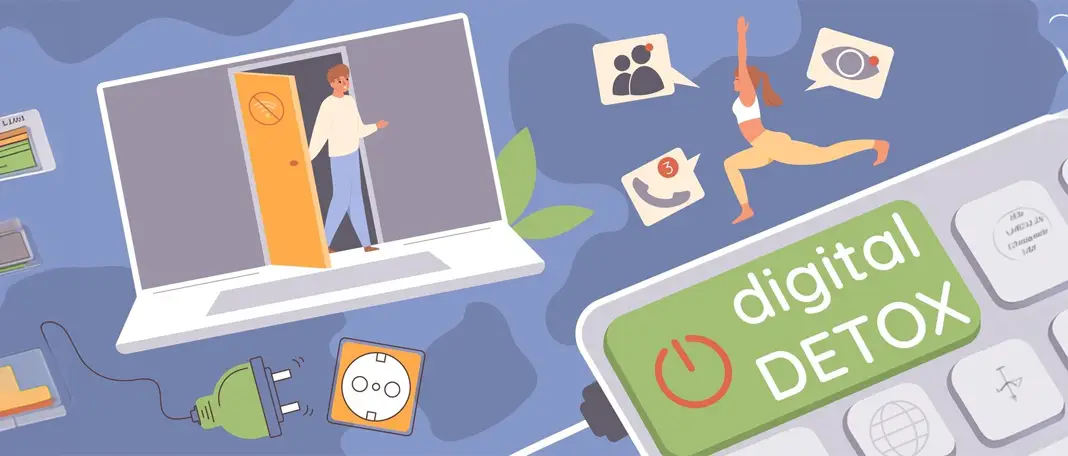
The average person now spends 6 to 7 hours a day on screens, not counting work-related use. That’s a large part of life lived through a device. And slowly, without realizing it, this constant connection starts to affect how we sleep, think, and feel.
This is where a digital detox becomes important. Not as a strict rule. Not as a complete shutdown. But as a way to reset your relationship with technology.
What Is a Digital Detox?
A digital detox is the practice of reducing or taking breaks from screens and digital devices. It doesn’t mean avoiding technology completely. It means using it more intentionally, instead of automatically.
Why a Digital Detox Matters
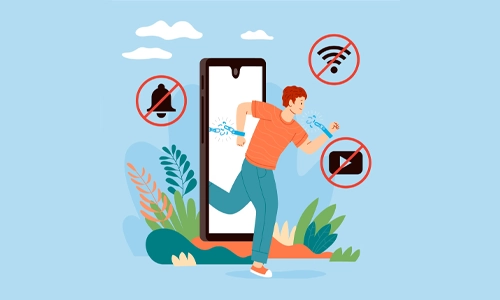
Excessive screen time can lead to:
- Eye strain
- Poor sleep
- Reduced attention span
- Increased stress
Taking regular breaks helps your brain slow down and regain balance.
10 Simple Ways to Practice a Digital Detox
You don’t need a drastic change. Small steps work better and last longer.
1. Start with Screen-Free Mornings
Instead of reaching for your phone immediately, give yourself 20–30 minutes without screens. This helps your mind wake up naturally.
2. Set App and Time Limits
Use built-in settings to track and limit your usage. Awareness is the first step to change.
3. Keep Devices Out of the Bedroom
Screens before sleep can disrupt your natural sleep cycle. Keeping devices away improves sleep quality.
4. Take Short Breaks During the Day
Even a 5-minute break from screens every hour can reduce mental fatigue.
5. Replace Screen Time with Real Activities
Instead of scrolling, try:
- Reading
- Walking
- Talking to someone
Small replacements make a big difference.
6. Turn Off Non-Essential Notifications
Constant alerts keep your brain in a reactive mode. Reducing them helps you stay focused.
7. Create No-Phone Zones
Keep certain areas like dining spaces or family time free from devices. This improves connection and awareness.
8. Limit Social Media Use
Social media often consumes more time than expected. Set specific times instead of checking it repeatedly.
9. Try a Half-Day or Full-Day Detox
Occasionally stepping away completely can reset your habits. Even a few hours without screens can feel refreshing.
10. Be Mindful, Not Extreme
A digital detox is not about quitting technology. It’s about using it without letting it control your routine.
Benefits of a Digital Detox

When you reduce screen time, you may notice:
Better Sleep
Less exposure to screens helps your body follow a natural sleep rhythm.
Improved Focus
Without constant distractions, your attention improves.
Lower Stress Levels
Fewer notifications mean a calmer mind.
Stronger Real-Life Connections
Spending time offline improves relationships and communication.
Signs You May Need a Digital Detox
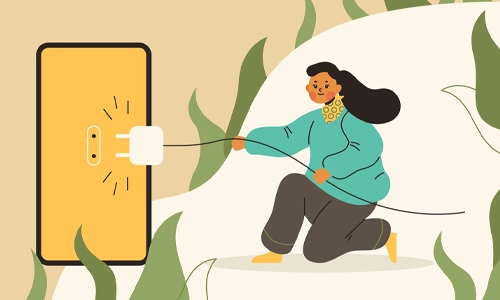
You might benefit from a break if:
- You check your phone frequently without reason
- You feel tired even after rest
- You struggle to focus without distractions
- You feel anxious without your device
These are signs your mind needs a reset.
Is a Digital Detox Difficult?
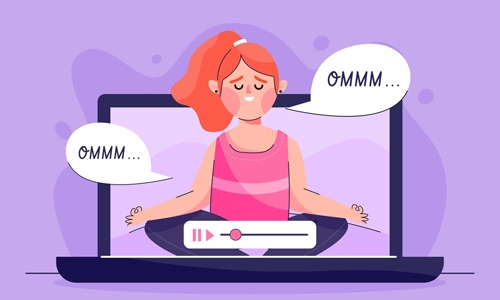
At first, it may feel uncomfortable.
That’s normal.
Devices are designed to keep your attention.
But with small changes, it becomes easier.
And over time, it starts to feel natural.
FAQs
What is a digital detox?
It is reducing screen time to improve mental and physical well-being.
How long should a digital detox last?
It can be a few hours, a day, or a regular habit of limiting usage.
Does digital detox improve sleep?
Yes, reducing screen exposure helps improve sleep quality.
Can I still use my phone during a digital detox?
Yes, the goal is to reduce unnecessary use, not eliminate it completely.
How often should I do a digital detox?
Small daily changes work best, along with occasional longer breaks.
Does a digital detox reduce anxiety?
Yes, reducing constant notifications can help lower stress levels.
Is digital detox good for productivity?
Yes, fewer distractions improve focus and efficiency.
A digital detox is not about disconnecting from the world. It’s about reconnecting with it in a healthier way. Your time, attention, and energy are limited. Where you place them shapes your day. Sometimes, the simplest reset is just putting the screen down and giving your mind a little space to breathe.