
Regarding brain health, a few conditions demand attention like brain herniation. It’s a serious medical condition that occurs when brain tissue, fluid, or blood vessels are pushed outside their normal position due to increased pressure in the skull. While this sounds alarming, understanding the condition is the first step toward managing it effectively. Let’s gently explore what it is, its types, symptoms, and the available treatments.
What Is Brain Herniation?
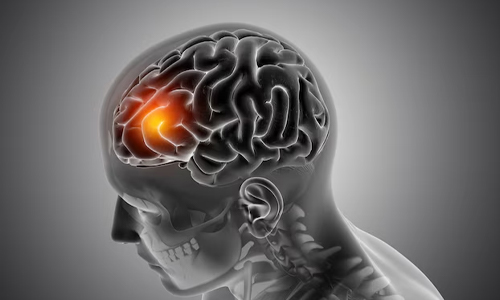
It happens when there is swelling or bleeding in the brain, causing abnormal pressure. This pressure forces brain tissue into spaces where it doesn’t belong, often compressing critical areas.
This condition is life-threatening and requires immediate medical intervention. The more you know about it, the better equipped you’ll be to identify the signs and take quick action if needed.
What Causes Brain Herniation?
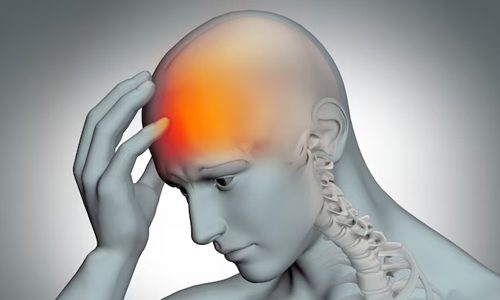
This occurs when increased pressure inside the skull (intracranial pressure or ICP) forces brain tissue to shift from its normal position. This pressure can result from several underlying causes.
1. Traumatic Brain Injuries (TBI)

Severe blows to the head or penetrating injuries can cause swelling, bleeding, or blood clots, leading to increased ICP.
2. Brain Tumors
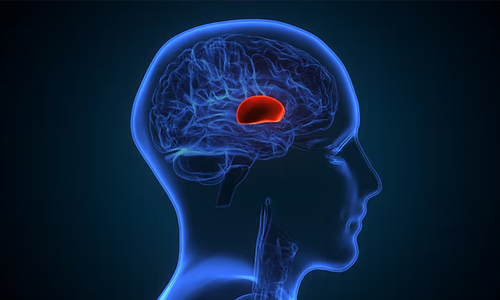
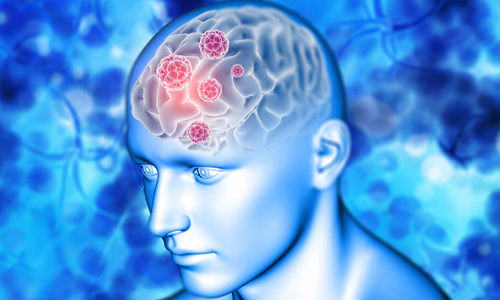
As a tumor grows, it can compress brain structures, displacing tissue and increasing pressure within the skull.
3. Stroke
Both ischemic (blockage) and hemorrhagic (bleeding) strokes can lead to swelling in the brain, raising ICP and risking herniation.
4. Infections

Conditions like meningitis or encephalitis can cause inflammation and swelling in the brain.
5. Hydrocephalus
An abnormal cerebrospinal fluid (CSF) buildup in the brain increases pressure and can push brain tissue out of place.
6. Aneurysms and Hemorrhages
Ruptured blood vessels lead to pooling blood, causing a mass effect that elevates ICP.
7. Chronic Conditions
Uncontrolled hypertension or certain metabolic disorders can predispose individuals to conditions that increase ICP.
Types of Brain Herniation
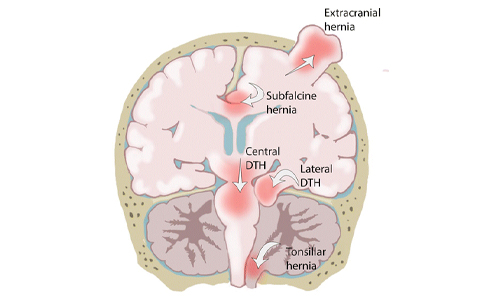
It is categorized based on the direction the brain tissue moves. Each type presents specific challenges, which are mentioned below.
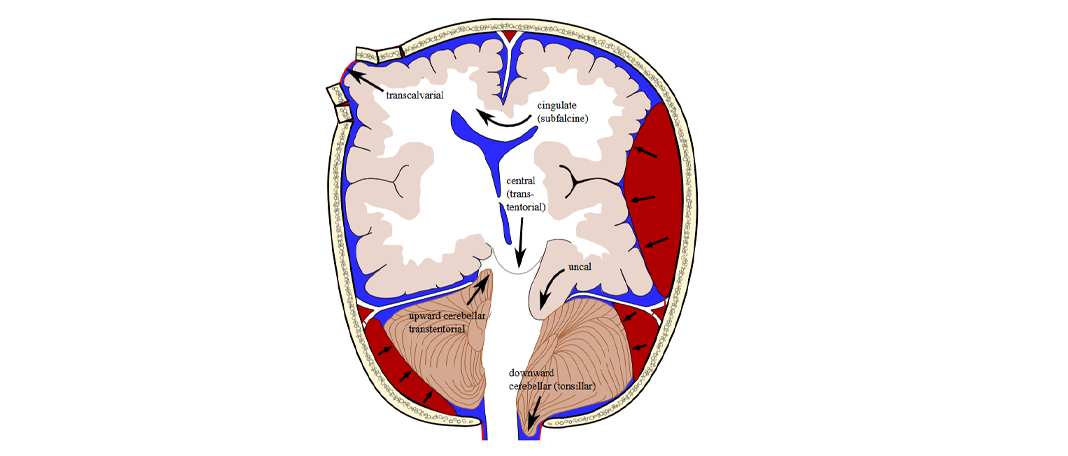
1. Subfalcine Herniation
- Tissue shifts beneath the falx cerebri (a membrane that separates brain hemispheres).
- Symptoms may include headaches, confusion, and weakness, particularly on one side of the body.
2. Transtentorial (Uncal) Herniation
- The uncus (a part of the brain) is pushed through the tentorium cerebelli.
- It can cause dilated pupils, difficulty moving the eyes, or coma.
3. Central Herniation
- The brainstem and diencephalon are forced downward.
- Symptoms include a rapid deterioration in consciousness and breathing irregularities.
4. Tonsillar Herniation
- The cerebellar tonsils are pushed through the foramen magnum (an opening at the base of the skull).
- Causes respiratory arrest and irregular heart rate, which is often fatal without intervention.
5. Upward Herniation
- Tissue is pushed upward, compressing vital structures.
- May cause severe headaches and altered consciousness.
Symptoms of Brain Herniation
- Severe headaches
- Loss of consciousness
- Irregular or slow heart rate
- Dilated or uneven pupils
- Seizures
- Breathing difficulties
- Muscle weakness or paralysis
- Coma in severe cases
It’s critical to seek immediate medical care if any of these symptoms appear.
How Is Brain Herniation Diagnosed?
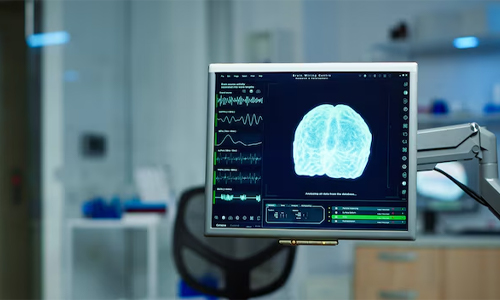
Timely diagnosis is critical for managing it effectively. Physicians rely on a combination of tools to assess the condition.
a. Imaging Studies
- CT Scan - A quick and effective tool for detecting swelling, bleeding, or tissue displacement.
- MRI - Provides a more detailed view of brain structures and can detect subtle changes.
b. Neurological Examination
Tests reflexes, pupil response, motor function, and consciousness levels to evaluate brain function.
c. Intracranial Pressure Monitoring
A device is inserted into the skull to measure ICP directly, offering real-time insights into pressure levels.
d. Blood Tests
Help identify infections, metabolic imbalances, or other underlying conditions contributing to brain swelling.
e. Lumbar Puncture
Occasionally used to analyze cerebrospinal fluid (CSF) for signs of infection or bleeding, although it’s avoided in cases of suspected high ICP to prevent worsening herniation.
Treatment for Brain Herniation
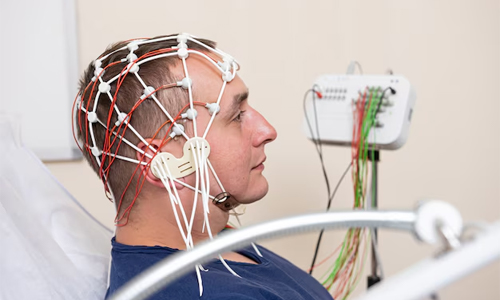
Treatment for this disorder focuses on relieving pressure, stabilizing the patient, and addressing the underlying cause.
Emergency Interventions
Immediate steps, such as intubation or ventilation to ensure adequate oxygen flow to the brain are helpful. Administration of hypertonic saline or mannitol to draw fluid out of the brain and reduce swelling are also effective.
Medications
- Steroids - Reduce inflammation in cases like brain tumors.
- Antibiotics - Combat infections if meningitis or encephalitis is the cause.
- Anti-seizure medications - Prevent seizures that can worsen ICP.
Surgical Options
- Craniotomy - Removes a portion of the skull to relieve pressure.
- Clot or Tumor Removal - Resolves the primary cause of swelling.
- Shunt Placement - Diverts excess cerebrospinal fluid to another part of the body to relieve pressure.
Advanced Monitoring
Continuous ICP monitoring in an intensive care setting helps adjust treatment as needed.
Can Brain Herniation Be Prevented?
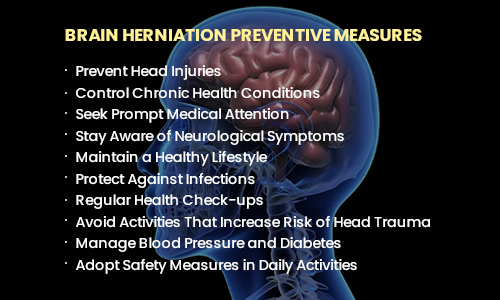
Brain herniation can be prevented by following these measures:
- Prevent Head Injuries
- Control Chronic Health Conditions
- Seek Prompt Medical Attention
- Stay Aware of Neurological Symptoms
- Maintain a Healthy Lifestyle
- Protect Against Infections
- Regular Health Check-ups
- Avoid Activities That Increase Risk of Head Trauma
- Manage Blood Pressure and Diabetes
- Adopt Safety Measures in Daily Activities
Can Lifestyle Changes Reduce Risks?
While brain herniation is a serious medical condition often resulting from traumatic injuries or other neurological issues, certain lifestyle changes can help minimize the risks associated with its underlying causes. Prevention is always better than cure, and making proactive choices today can safeguard your brain health for tomorrow.
1. Manage Blood Pressure and Heart Health

High blood pressure is a significant risk factor for many neurological conditions, including those that could lead to brain herniation. Regular check-ups, a balanced diet, and prescribed medications can help control hypertension, reducing the likelihood of complications.
Tip: Incorporate potassium-rich foods like bananas, sweet potatoes, and spinach into your diet to help maintain blood pressure.
2. Protect Your Head from Trauma

Head injuries are a leading cause of brain herniation. Wearing helmets while biking or engaging in contact sports, using seat belts in cars, and taking precautions to prevent falls at home are critical steps.
Tip: Install safety bars in bathrooms and ensure adequate lighting in stairways to prevent accidents, especially for elderly family members.
3. Stay Informed About Chronic Conditions
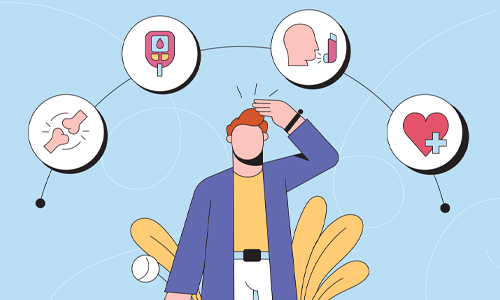
Conditions like brain tumors, infections, or strokes can increase the risk of this disorder. Regular medical evaluations and prompt treatment of any neurological symptoms are key. If you have a family history of such conditions, stay vigilant.
Tip: Create a health journal to track any recurring symptoms, such as persistent headaches or vision changes, and share it with your doctor.
4. Avoid Harmful Substances

Alcohol and recreational drugs can negatively affect brain health, leading to issues like swelling or clot formation. Limiting or avoiding these substances can significantly lower your risk.
Tip: Substitute alcohol with non-alcoholic beverages like herbal teas or mocktails for social occasions.
5. Watch for Infections
Certain infections like meningitis can lead to brain swelling, increasing the likelihood of herniation. Keeping up with vaccinations and seeking prompt medical attention for infections can be life-saving.
Tip: Ensure your vaccinations, especially for meningitis and influenza, are up to date.
6. Manage Stress Levels

Chronic stress can lead to high blood pressure, inflammation, and poor overall health, indirectly contributing to conditions that may elevate the risk of brain issues. Mindfulness and relaxation techniques can help.
Tip: Practice deep breathing exercises or yoga for 10–15 minutes daily to lower stress levels effectively.
7. Prioritize Hydration and Nutrition

Dehydration and poor diet can lead to imbalances in electrolytes, which are essential for brain function. A nutrient-rich diet supports overall brain health and reduces the risk of complications.
Tip: Incorporate omega-3 fatty acids, found in fish like salmon, and walnuts, which are known to boost brain health.
8. Address Sleep Issues

Poor sleep can lead to a range of health problems, including increased intracranial pressure. Ensuring you get quality sleep helps maintain optimal brain function.
Tip: Create a calming bedtime routine, free from screens and caffeine, to improve sleep quality.
9. Take Preventative Medications When Necessary

For those with specific conditions, medications to prevent clots, swelling, or infections may be prescribed. Always follow your doctor’s advice on preventative treatments.
Tip: Keep a medication schedule handy to ensure consistent intake.
10. Educate and Empower Yourself

Knowledge is power. Understanding the risks and recognizing early warning signs of conditions like stroke, infections, or trauma can lead to faster interventions.
Tip: Take first aid courses to learn how to respond to head injuries or other emergencies effectively.
Lifestyle Adjustments for Better Brain Health
- Engage in Regular Physical Activity
- Keep Your Mind Active
- Build Strong Social Connections
- Follow a Brain-Friendly Diet
- Limit Screen Time
- Monitor Cognitive Health Regularly
- Manage Blood Pressure and Heart Health
- Prioritize Hydration and Nutrition
- Address Sleep Issues
- Avoid Harmful Substances
Brain herniation is a serious condition, but timely intervention can make a significant difference. Understanding the types, symptoms, and treatments equips you to act decisively in critical moments. Whether you’re learning to safeguard yourself or care for a loved one, remember that knowledge and quick action can save lives. Always seek professional guidance at the first sign of trouble—your vigilance can be life-saving.