
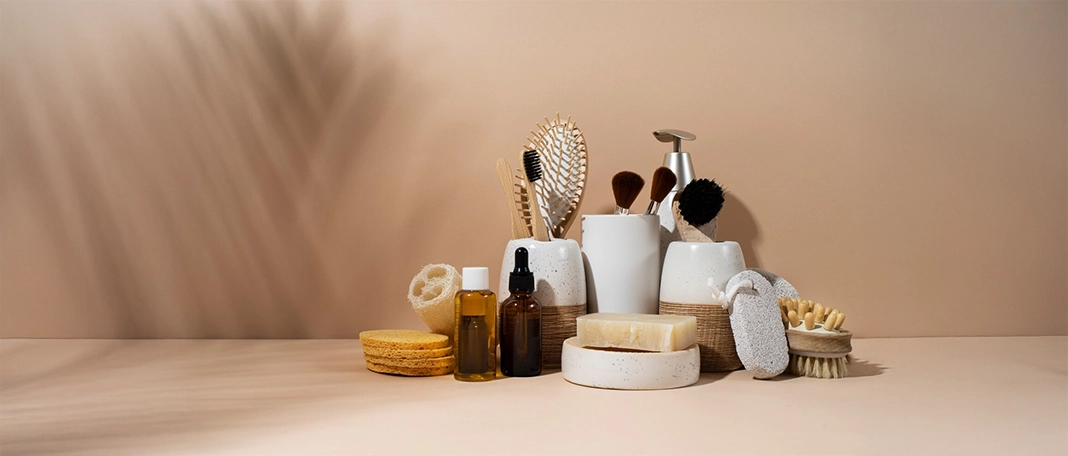
Sharing may be caring… but when it comes to beauty products, it can quietly turn into a skincare disaster. From makeup brushes to lip balms, certain items carry invisible hitchhikers like bacteria, fungi, and even viruses. What looks harmless can lead to breakouts, infections, or irritation. If you’ve ever borrowed a lipstick or shared a brush, this is your gentle wake-up call. Let’s explore the beauty products we should never share and why keeping them personal is the best thing you can do for your skin.
Why Sharing Beauty Products Is Risky
Your skin has its own unique microbiome. When you share products, you also share:
- Bacteria
- Oils and dead skin cells
- Allergens
- Possible infections
Dermatology experts warn that sharing makeup and tools can lead to acne, allergic reactions, and even infections due to contamination.
Products that touch sensitive areas like the eyes and lips are especially risky.
6 Beauty Products We Should Never Share
Here are six common items you should always keep strictly personal.
1. Makeup Brushes and Sponges
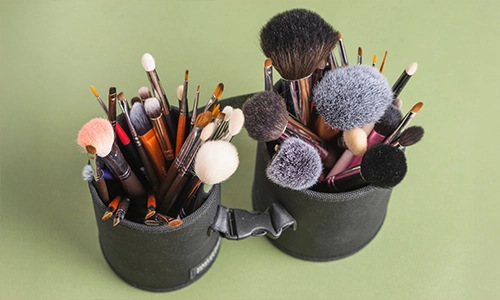
Soft, fluffy, and deceptively dangerous.
Makeup brushes and sponges absorb oils, dirt, and bacteria from your skin. When shared, they can transfer acne-causing bacteria and even fungal infections.
Sponges, in particular, create a moist environment where microbes thrive.
2. Mascara and Eye Makeup
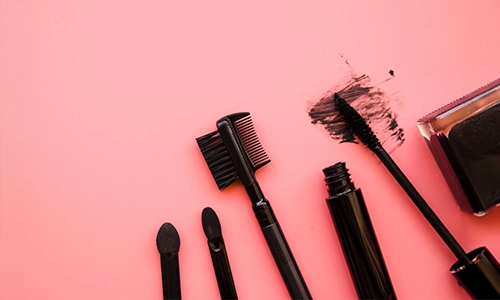
Your eyes are delicate and highly vulnerable to infection.
Sharing mascara, eyeliner, or eyeshadow can spread conditions like:
- Conjunctivitis (pink eye)
- Styes
- Bacterial infections
Since these products come into contact with tears and mucus, they easily become contaminated.
3. Lipsticks and Lip Balms
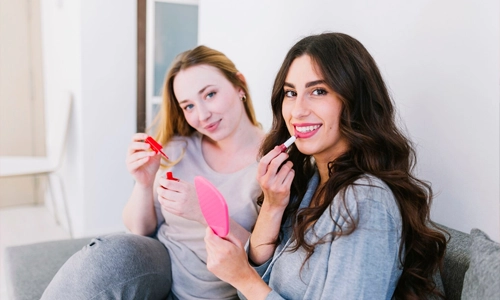
Lip products may look glamorous, but they can carry viruses.
Sharing them can transfer infections such as cold sores (herpes simplex virus) because they come in direct contact with saliva.
That glossy wand? It’s not just shine, it’s a microbial magnet.
4. Tweezers and Razors
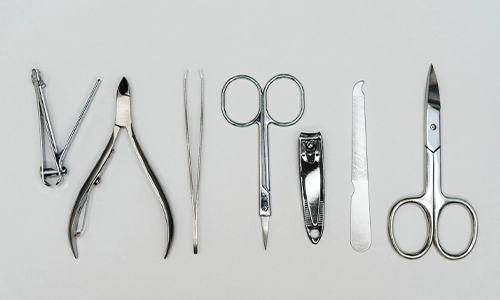
These tools may cause tiny cuts or come into contact with blood.
Sharing them increases the risk of bacterial infections and skin irritation. Even a minor nick can turn into a gateway for germs.
5. Creams in Jars
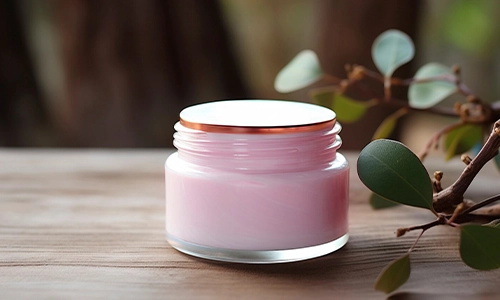
If a product requires dipping your fingers into it, it should never be shared.
Each dip introduces bacteria into the product. Over time, this creates a contaminated mix that can cause:
- Breakouts
- Skin irritation
- Allergic reactions
Jar-based products are especially prone to bacterial growth.
6. Deodorants and Roll-Ons
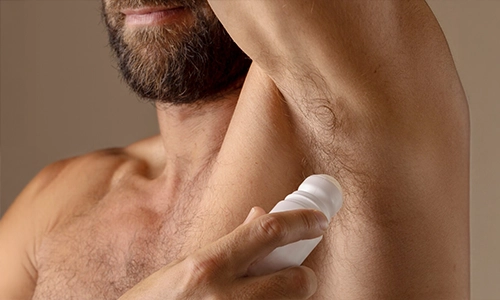
Sharing deodorants might seem harmless, but it’s not hygienic.
These products come into contact with sweat and bacteria from the underarms, making them a quick way to transfer germs between users.
Can Sharing Beauty Products Cause Acne?
Yes, and quite easily.
When you share products or tools, you transfer bacteria, oils, and debris that can clog pores and trigger breakouts.
Even if your skin is clear, someone else’s skin bacteria may react differently on yours.
Are There Any Beauty Products Safe to Share?
Not everything is off-limits.
Some products are relatively safer to share because they don’t involve direct contact, such as:
- Perfumes
- Spray-based products
- Sharpenable pencils (if freshly sharpened)
However, even these should be used cautiously.
Simple Hygiene Tips to Follow
To protect your skin:
- Avoid sharing personal beauty items
- Clean brushes and tools regularly
- Wash hands before applying products
- Replace expired products on time
Think of your beauty kit as your personal space, not a communal shelf.
Frequently Asked Questions
Why should we not share beauty products?
Sharing beauty products can transfer bacteria, viruses, and allergens, leading to infections, acne, or skin irritation.
Can sharing makeup cause infections?
Yes. Eye makeup and lip products can spread infections like pink eye or cold sores.
Is it okay to share makeup brushes if cleaned?
Only if they are thoroughly cleaned and disinfected after every use, otherwise it is best to avoid sharing.
What happens if you share lipstick?
You may expose yourself to bacteria or viruses from another person’s saliva, increasing the risk of infections.
Your skincare routine is personal for a reason. The beauty products we should never share aren’t just about hygine rules, they’re about protecting your skin from unnecessary problems. A glowing complexion doesn’t come from sharing, it comes from caring for your skin the right way.
So next time someone reaches for your lipstick or brush, you’ll know… some things are better kept to yourself.