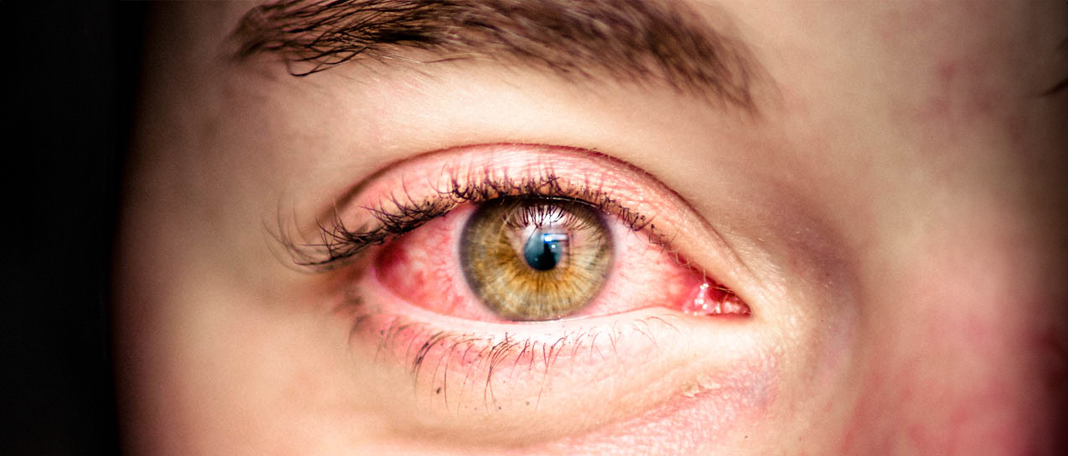
Have you ever experienced pinkish eyes once you wake up in the morning? If yes, this is because you have conjunctivitis, also known as pink eye. You may feel irritation and pain in your eyes. This spreads easier when someone comes into contact with the infected person. So, how do you reduce the discomfort caused by conjunctivitis? Various home remedies from proper eye hygiene to eye drops are beneficial in reducing the effects of pink eye. Let’s have a look at easy home remedies for conjunctivitis eyes.
Symptoms of Conjunctivitis

When you have conjunctivitis, you may face these symptoms:
- Red eyes
- Tearing
- Itchiness
- Sensitivity to light
- Puffy eyes
- Allergic reactions
- Yellow discharge
- Fever
Types of Conjunctivitis
1. Viral Conjunctivitis (The Most Common Type)
What it is: Viral conjunctivitis is responsible for the majority of infectious conjunctivitis, accounting for up to 75% of cases. This type is caused by viruses, often the same ones that cause common colds or upper respiratory infections.
Key characteristics:
- Usually starts in one eye and may spread to the other
- Watery, clear discharge (not thick or yellow)
- Moderate to severe redness
- Gritty or burning sensation
- Light sensitivity (photophobia)
- May be accompanied by cold-like symptoms
Contagiousness: Highly contagious, especially in the first few days. Can spread through direct contact with infected eye secretions or contaminated surfaces.
Duration: Typically lasts 1-2 weeks and resolves on its own without treatment.
Important note: While viral conjunctivitis usually clears up without medication, it's essential to practice good hygiene to prevent spreading it to others.
2. Bacterial Conjunctivitis (The Thick Discharge Type)
What it is: This type is caused by bacterial infections, commonly from Staphylococcus aureus, Streptococcus pneumoniae, or Haemophilus influenzae bacteria.
Key characteristics:
- Thick, yellow or greenish discharge that may cause eyes to "stick shut" in the morning
- Red, irritated eyes
- Usually starts in one eye but can spread to both
- Gritty feeling in the eyes
- Less tearing compared to viral conjunctivitis
- May cause mild pain or discomfort
Contagiousness: Highly contagious until 24-48 hours after starting antibiotic treatment.
Duration: Without treatment, bacterial conjunctivitis may last 2-5 days. With proper antibiotic treatment, symptoms typically improve within 2-3 days.
Treatment: Unlike viral conjunctivitis, bacterial conjunctivitis often requires antibiotic eye drops or ointments prescribed by a healthcare provider.
3. Allergic Conjunctivitis (The Itchy, Seasonal Type)
What it is: This non-infectious type occurs when your eyes react to allergens like pollen, dust mites, pet dander, or other environmental triggers.
Key characteristics:
- Itchy, watery eyes are generally more common with allergic conjunctivitis and are present in both eyes
- Clear, watery discharge
- Red or pink eyes
- Swollen eyelids
- Intense itching (the hallmark symptom)
- Often occurs with other allergy symptoms like sneezing or runny nose
Contagiousness: Not contagious at all - it's an immune system reaction, not an infection.
Duration: Allergic conjunctivitis also lasts longer than bacterial or viral conjunctivitis. Your symptoms may go away and come back depending on allergen exposure.
Seasonal patterns: May worsen during specific seasons (spring for tree pollen, summer for grass pollen, fall for ragweed).
4. Chemical/Irritant Conjunctivitis (The Environmental Type)
What it is: This type results from exposure to irritating substances like chlorine, smoke, fumes, or other chemicals.
Key characteristics:
- Immediate onset after exposure to irritant
- Burning or stinging sensation
- Excessive tearing
- Redness and inflammation
- May affect one or both eyes depending on exposure
Contagiousness: Not contagious - it's a direct reaction to irritants.
Treatment: Usually improves quickly once the irritant is removed and eyes are flushed with clean water.
5. Giant Papillary Conjunctivitis (GPC) - The Contact Lens Related Type
What it is: This type develops in response to chronic irritation, most commonly from contact lenses, artificial eyes, or exposed sutures.
Key characteristics:
- Large bumps (papillae) on the upper inner eyelid
- Itching and discomfort
- Mucus production
- Feeling like something is in your eye
- Contact lens intolerance
Who's at risk: Contact lens wearers, especially those who don't clean lenses properly or wear them too long.
Treatment: Often requires temporarily stopping contact lens use and may need prescription medications.
How to Tell the Types Apart
| Type | Discharge | Itching | Both Eyes? | Contagious? | Key Feature |
| Viral | Watery, clear | Mild | Often spreads | Yes | Cold-like symptoms |
| Bacterial | Thick, yellow/green | Minimal | May spread | Yes | Eyes "glued shut" in the morning |
| Allergic | Clear, watery | Severe | Usually both | No | Seasonal pattern |
| Chemical | Excessive tearing | Burning | Depends on exposure | No | Immediately after exposure |
| GPC | Mucus | Moderate | Usually both | No | Contact lens problems |
Understanding the different types of conjunctivitis helps you make informed decisions about treatment and prevention. While most cases are mild and resolve with proper care, don't hesitate to consult with a healthcare provider if you're unsure about the type or if symptoms are severe or persistent.
Home Remedies for Conjunctivitis Eyes
Home remedies can minimise the symptoms you are experiencing because of pink eye. What home remedies for conjunctivitis work well? Let’s dive more into how to get rid of allergic reactions due to pink eye.
1. Use Cold Compress
You can experience inflammation around your eyes and this can be irritating sometimes. Utilise a cold compress to lower the risk of conjunctivitis. Dip a paper towel in cold water and place it over the infected area. This offers you better relief and avoids further infection.
2. Wash Your Eyes
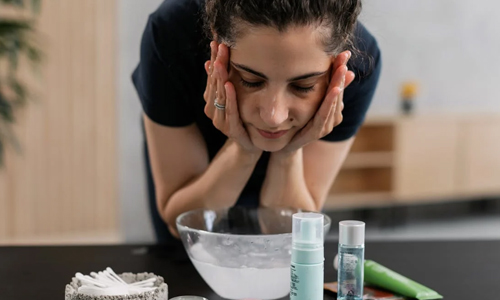
Washing your eyes with normal or herbal water can easily wipe off dust. Add salt to boiled water and clean your eyes when the water has cooled down to avoid severe infections. When you have itchiness in your eyes, stick to a cold and chill climate.
3. Honey

Most people use honey as another home remedy for conjunctivitis. mix a cup of water with one tablespoon of honey. Later, soak a cloth in that mixture and place it over your eyes. This will reduce the redness and provide a soothing experience for you.
4. Tea Bag
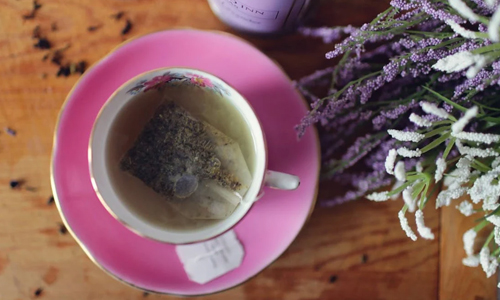
You can keep a warm tea bag on the affected eye area. There is no need to strain off the water in the tea bag. This is best for your inflammation and swelling.
5. Use Eye Drops
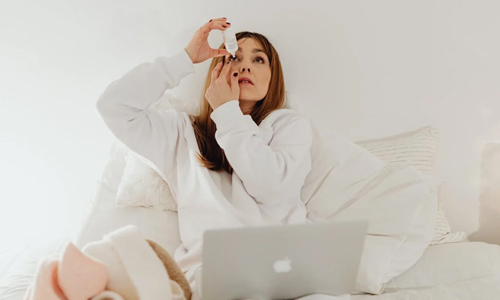
You can use artificial tears to reduce the burning in your eyes. These can be helpful when you have pink eyes. Eye drops assist in removing the signs of allergies and help clean your eyes.
6. Avoid Eye Makeup

Remove your old eye makeup when you have conjunctivitis. You can try new makeup once you get relief from the pink eye problem. Avoiding eye makeup during pink eye ensures better eye health and removes further allergies. Here are some things to do for healthy eyesight.
7. Stop Using Contact Lenses
Stop wearing contact lenses when you have conjunctivitis because they are likely infected. The condition of your eyes might become worse if you wear the lens again. Look at these contact lens risks you shouldn’t overlook.
How to Prevent the Spread of Conjunctivitis?
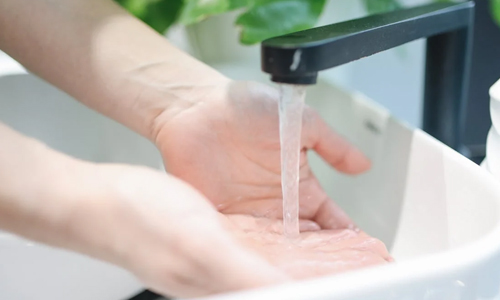
Follow good hygiene measures to prevent the spread of pink eye. Here are some points you must remember:
- Wash your hands regularly
- Don’t share your washcloths or towels with others
- Replace your pillowcase often
- Don’t touch your eyes with your hands
- Throw away old eye cosmetics
Conjunctivitis may cause eye redness, light sensitivity, and blurred vision. You can make use of all the above home remedies for conjunctivitis. If you experience severe symptoms, you can consult a healthcare provider and take effective remedies. Taking the necessary precautions can lessen the spread of pink eye.