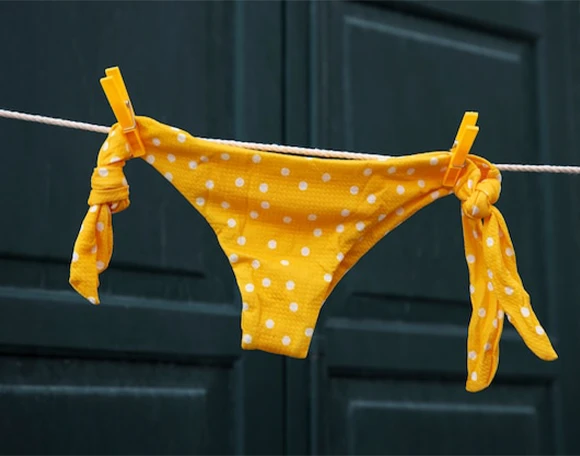
Thong underwear has a complicated reputation. For some, it’s a confidence booster and wardrobe essential. For others, it’s a suspected health hazard. This raises a very common question: are thongs bad for you, or is that just another underwear myth?
The truth sits somewhere in the middle. Thongs aren’t automatically harmful, but how often you wear them, what they’re made of, and when you wear them matter far more than most people realize.
Let’s look at what medical experts say.
How Thongs Can Affect Vaginal Health

The biggest health concern with thongs comes down to bacterial movement.
Because a thong sits close to the anus and the vagina at the same time, it can act like a bridge. Normal movement, friction, and sweat may transfer bacteria from the back to the front.
This can increase the risk of:
- Urinary tract infections (UTIs)
- Yeast infections
- Bacterial vaginosis (BV)
This doesn’t mean thongs cause infections directly, but they can raise the risk, especially if worn daily.
Can Thongs Cause Irritation or Skin Problems?
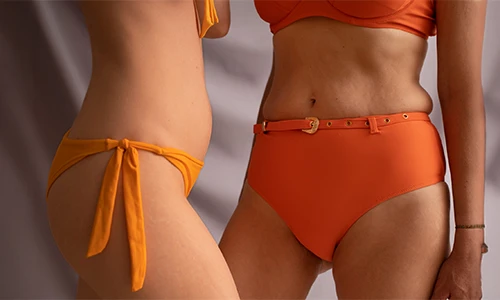
Yes, especially if they’re tight or made from synthetic fabrics.
Common issues include:
- Chafing and friction
- Redness or soreness
- Micro-tears in sensitive skin
- Ingrown hairs
- Worsening eczema or contact dermatitis
These problems are more likely during:
- Hot weather
- Exercise
- Long workdays
- Extended sitting
Are Thongs Bad for You During Workouts?

This is where doctors are more cautious.
Sweat + tight fabric + friction creates an ideal environment for bacterial growth. Wearing thongs during workouts, especially non-breathable ones, can increase irritation and infection risk.
For exercise, most gynecologists recommend:
- Moisture-wicking underwear
- Full-coverage cotton styles
- Seamless athletic briefs
Does Fabric Choice Matter? Absolutely
Not all thongs are created equal.
Safer Options
- 100% cotton or cotton-lined
- Breathable fabrics
- Well-fitted, not tight
Higher-risk Options
- Lace or synthetic materials
- Tight elastic bands
- Non-breathable fabrics worn for long hours
Fabric choice can make the difference between comfort and chronic irritation.
When Thongs Are Usually Fine
Thongs are generally okay when:
- Worn occasionally
- Changed daily
- Made of breathable fabric
- Not worn during sleep or workouts
- You don’t have recurring vaginal infections
For many people, occasional thong use causes no health issues at all.
When You Should Avoid Thongs
You may want to avoid them if you:
- Get frequent UTIs or yeast infections
- Have sensitive skin
- Are pregnant
- Have hemorrhoids
- Are recovering from surgery or childbirth
- Notice irritation after wearing them
Your body usually tells you when something isn’t working.
So, Are Thongs Bad for You?

Not inherently. Thongs aren’t dangerous by default, but they’re not ideal for everyday, all-day wear either.
Think of them like high heels. Fine for short periods, not designed for constant use.
Balance, fabric choice, hygiene, and listening to your body matter far more than the underwear style itself.
FAQs
1. Are thongs bad for vaginal health?
They can increase infection risk if worn frequently, especially tight or synthetic styles.
2. Can thongs cause UTIs?
They may raise the risk by transferring bacteria from the anus to the urethra.
3. Is it safe to wear thongs every day?
Daily wear isn’t recommended, especially if you’re prone to irritation or infections.
4. Are cotton thongs better?
Yes. Cotton allows airflow and reduces moisture buildup.
5. Should you sleep in a thong?
No. Sleeping without tight underwear allows the area to breathe.
6. Are thongs okay during workouts?
Not ideal. Sweat and friction increase irritation and infection risk.
7. Do thongs cause yeast infections?
They don’t cause them directly but can increase risk under certain conditions.
8. What underwear is healthiest?
Loose-fitting, breathable cotton underwear is considered best for everyday wear.