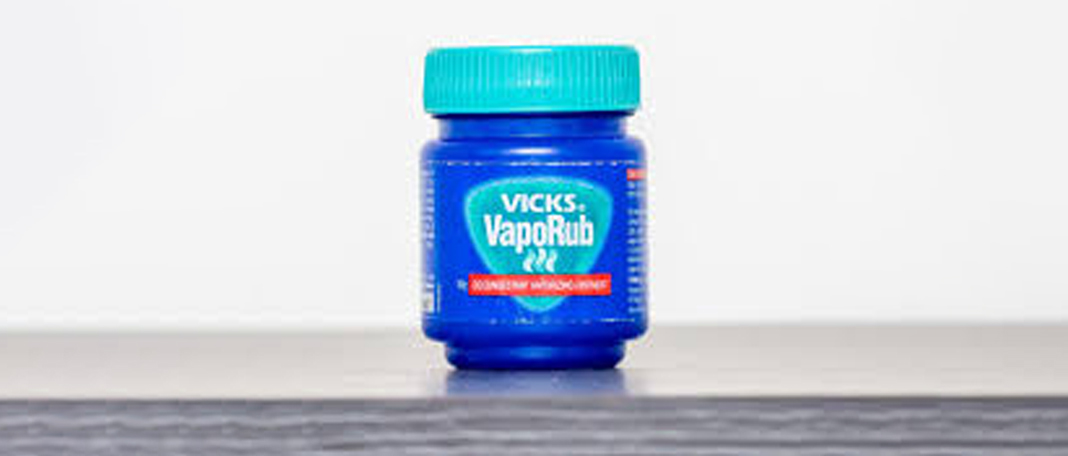
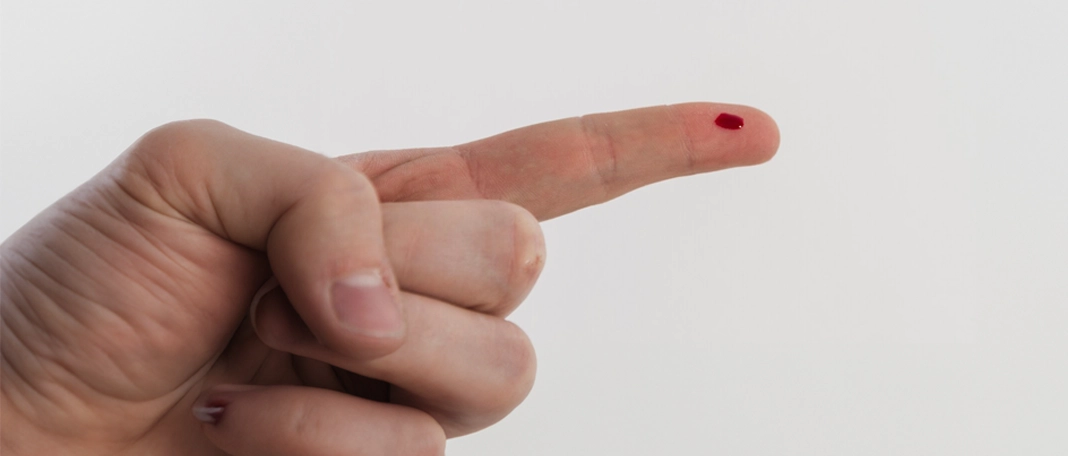
We all experience minor cuts and scrapes—from kitchen mishaps to playground falls. While small wounds seem harmless, how you care for them makes a big difference in healing quality. If you want to learn how to heal cuts fast, reduce the risk of infection, and keep scars from forming (or becoming noticeable), you’re in the right place. This guide speaks to both busy parents and adults who simply want quick, reliable information.
Why Cuts Scar — and What’s Normal

When your skin is cut, your body starts a complex repair process. First comes inflammation and clotting, then tissue formation, and finally remodeling—where the wound matures into a scar. Statistically, about 15% of patients develop complications from scars after trauma or surgery.
Another global study found 22% of people had a fresh scar (less than one year old) somewhere on their skin. So: yes, scarring is very common—but the good news is you can influence how your wound heals and minimize scar appearance.
Step-by-Step: How to Heal Cuts Fast
Here’s what you should do immediately after a cut, to promote fast healing and reduce scarring.
1. Clean It Gently
Start by washing your hands. Rinse the wound with clean, cool water and a mild soap. Avoid harsh cleansers or scrubbing. Remove any dirt or debris. A moist (not dry) environment helps wounds heal faster. In fact, letting a wound “air out” is a common mistake — studies show wounds heal better when kept moist and covered.
Goal: Clean wound + minimal trauma.
2. Stop the Bleeding & Protect
Apply light pressure with a clean cloth or sterile gauze until bleeding slows. Once under control, cover the wound with a non-stick dressing or hydrogel dressing if available. Moist dressings and occlusive coverings support faster skin regeneration compared to letting the wound dry out.
Goal: A stable environment for repair.
3. Use the Right Dressings & Change Regularly
- Choose a dressing suitable for the location and size of the wound.
- Change it every 24 hours or sooner if soiled or wet.
- Avoid adhesive strips that stretch skin or irritate edges. Tip: Hydrogel dressings may speed healing by up to five days in some injuries.
Goal: Maintain a clean, closed wound.
4. Hydrate & Nourish the Body
Your body’s wound-repair mechanisms rely on good circulation and nutrition.
- Drink plenty of water—dehydration slows healing.
- Ensure enough protein (chicken, beans, tofu) and Vitamin C (citrus, peppers).
- Avoid smoking, excessive alcohol and sugar—they all impair repair.
Goal: Give your body the fuel to rebuild.
5. Gentle Movement & Avoid Tension
If the wound is over a joint or frequently flexed skin, minimize tension on it.
- Use coverings that allow some movement but avoid stretching the site.
- Once healed, gentle movement and massage may help remodel the scar tissue and keep it supple.
Goal: Prevent widened or raised scars due to tension.
6. Sun Protection & Scar Minimization
Sun exposure on a healing wound leads to darker, more noticeable scars.
- Once closed, apply sunscreen (SPF 30+) or keep it covered for at least 6–12 months.
- Consider silicone gel sheets (over 6–8 weeks) for raised or visible scars.
Goal: Let your skin fade the scar invisibly.
5 Natural Remedies for Cuts and Scrapes
- Honey (medical-grade preferred) – Naturally antibacterial, keeps the wound moist, and may speed up healing while reducing infection risk.
- Aloe Vera Gel – Soothes irritation, provides gentle hydration, and contains compounds shown to support skin regeneration.
- Coconut Oil – Acts as a light antimicrobial barrier and helps keep the skin soft, preventing scar tissue from drying and cracking.
- Turmeric Paste – Contains curcumin, which has anti-inflammatory and antimicrobial properties; traditionally used for minor wounds.
- Tea Tree Oil (diluted) – A natural antiseptic that can help prevent inf
When to See a Doctor
You should talk to a healthcare professional if you notice any of the following:
- Deep, large, or jagged wound (may require stitches)
- Bleeding that won’t stop after 10–15 minutes of pressure
- Signs of infection: increasing redness, heat, swelling, pus, fever
- Wound near the eye, face, or on a major joint (higher risk of impact or visible scar)
- Healing has stalled for more than a week or the scar seems raised, darkening or changing rapidly
Why: These situations may require stitches, antibiotics, advanced scar-prevention treatment or specialist referral.
Prevention Tips for the Future
- Keep your nails trimmed and hone knife/utility-tool safety (parents: child-proof!).
- Use gloves for gardening, DIY, and sports as needed.
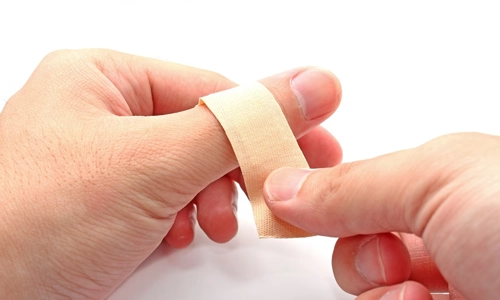
- Clean after any cut—even “small ones”—and apply a band-aid until the skin is fully healed.
- Accept that if you’re genetically prone to raised scars (keloids, darker skin tone) you may need early treatment from a dermatologist.
Goal: Fewer cuts + smarter treatment = fewer scars.
FAQs
How long does it usually take for a minor cut to heal?
Most minor cuts close within 3–7 days. Remodelling to reduce scar visibility can take weeks or months.
Does keeping a cut uncovered help it heal faster?
No. Research shows covering a wound with a moist dressing supports faster healing and less scarring than leaving it uncovered.
Will scar treatment after healing make a big difference?
Yes. Using silicone gel sheets or a gentle massage on a closed wound can significantly reduce thickness, colour, and raised texture.
Can vitamin C or other supplements heal cuts faster?
They may help when you’re deficient, but they do not replace good wound care. Focus on a balanced diet and hydration.
When should I worry about a scar becoming a keloid?
If the scar grows beyond the edge of the wound, thickens, becomes itchy or red—especially in younger individuals or darker skin tones—see a dermatologist.
Do kids scar less than adults?
Not always. While younger skin heals faster, genetics, wound care and site of injury are bigger factors. Many children still develop visible scars if poorly treated.
Learning how to heal cuts fast isn’t about being perfect—it’s about being consistent with small, smart habits: clean it, protect it, nourish it, and shield it from too much sun. By following the steps above, you give your skin the best chance to heal well—reduce the scar, avoid infection, and get back to life with minimal reminders of that little scrape. Now go ahead—band-aid ready, scarring reduced, peace of mind on standby. You’ve got this.