
Table of Contents
What Is Hiccup?
Hiccups occur due to the contraction of the diaphragm, a delicate muscle that separates the chest and abdomen. An abrupt spasm of the diaphragm causes a sudden deep breath which makes the vocal cord close, leading to a hiccup. It could be annoying but won’t cause any serious effects. However, if you experience it often, you should consult with a health adviser immediately. Continue reading to know why hiccups occur.
Why Do Hiccups Occur?
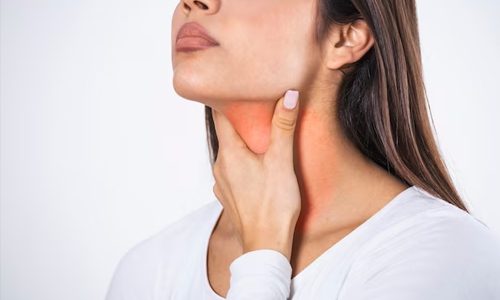
Hiccups may occur for several reasons. Here are some factors that cause frequent hiccups.
- Overeating
- Gulping the food quickly
- Drinking carbonated beverages
- Feeling nervous
- Alcohol
- Smoking
- Consuming hot/ cold drinks
- Changes in temperature
- Stress/Excitement
Hiccups can be a symptom of some diseases, such as,
- Heartburn/Acid refluxes
- Pneumonia
- Asthma
- Tumor
- Stroke
- Metabolic disorders
- Bowel diseases
Some medications are also linked to hiccups namely,
- Anesthetics
- Corticosteroids
- Chemotherapy
- High blood pressure medicine
- Anxiety medicine
Long-Term Hiccups
Hiccups usually last for a short period. However, if a person gets long-term hiccups, it could be a sign of any disorder like encephalitis, meningitis, diabetes, or kidney failure. Besides these disorders, drugs and steroids can also cause hiccups. Anesthesia, a medicine used to block pain, can trigger hiccups. If a person has prolonged hiccups after eating, breathing, or sleeping, they must consult a physician.
When Should One Worry about Hiccups?
The blockage of the vocal cord is what leads to that sound you experience while hiccuping. While it lasts only for a matter of minutes, there arises a reason for concern when hiccups last for more than 48 hours. Sometimes, it could be an abdominal disease, gastroenteritis, or even pneumonia. If it occurs frequently or disrupts your everyday chores, it is wise to consult your general practitioner as early as possible who will further suggest if any tests have to be taken.
How to Get Rid of Hiccups?
In this section, we will see how to get rid of hiccups. They can stop as soon as they begin. However, in some cases like persistent hiccups, or intractable hiccups, they require certain medications to be cured. Chlorpromazine, baclofen, haloperidol, and metoclopramide are the medications usually preferred to stop hiccups. Sedatives, muscle relaxants, analgesics, and stimulants also restrain hiccups. In the instances where medications do not work, phrenic nerve surgery is performed as a final solution, but it is pretty rare.
Home Remedies to Stop Hiccups

Hiccups can be stopped with simple home remedies. Here are some tips to follow.
- Gargling with ice water
- Giving ice massage to your face
- Sucking ice cubes
- Breathing into a paper bag
- Holding your breath for a while
- Drinking a glass of water
- Tasting a lemon
- Take a slow and deep breath
- Doing a simple workout - Sit down and pull your knees to the chest for a minute
- Asking someone to scare you suddenly
- Taking a spoonful of granulated sugar
How to Stop Hiccups in Babies and Newborns
Hiccups are common in infants—even before birth. Usually, they’re harmless and resolve on their own. But you can:
- Pause feeding until hiccups stop
- Burp your baby gently during and after feeds
- Keep baby upright for 15–20 minutes after feeding
- Offer a pacifier (sucking may relax the diaphragm)
Tip: Don’t try adult remedies like holding breath or sugar on babies. They usually outgrow frequent hiccups as their digestive system matures.
Things to Avoid When You Hiccup
- Hot drinks
- Sodas
- Alcohol
- Smoking
- Chewing gum
- Spicy food
- Eating fast
- Consuming hot and cold food at the same time
Facts about Hiccups
- The medical term for hiccups is singultus (derived from the Latin word meaning ‘sob’).
- Hiccups could sometimes be a side effect of certain types of medication that cause acid reflux.
- All mammals could hiccup! Now, that’s something you didn’t know before, right?
- The longest recorded hiccups lasted for around 60 years. latest research Charles Osborne, a US man, began hiccoughing in 1922 while weighing a hog. Despite a lack of cure, he lived a normal life until February 1990.
- Ultrasound imaging has captured a fetus hiccuping and there might be chances your baby is hiccuping right now if you are pregnant.
- Hiccups that last for long hours can lead to insomnia (a condition of sleeplessness).
- Hiccups are not hereditary. It has nothing to do with genes or family history.
FAQs
How to stop hiccups in adults immediately?
Hold your breath, sip ice-cold water, or swallow sugar. These tricks can relax your diaphragm quickly.
How to get rid of hiccups in a baby or newborn?
Pause feeding, burp gently, and keep upright. Most baby hiccups stop on their own.
Are there pressure points for hiccups?
Some people find relief by gently pressing the diaphragm area or massaging the back of the neck where the vagus nerve runs.
When should I see a doctor for hiccups?
If hiccups last more than 48 hours, are severe, or disrupt eating and sleep, seek medical advice.
Can hiccups be a sign of something serious?
Persistent hiccups may be linked to GERD, nerve irritation, or even certain medications.
Is it possible to prevent hiccups altogether?
Avoid overeating, carbonated drinks, and rapid temperature changes in food or drink to reduce episodes.
Can You Really Get Rid of Hiccups in 10 Seconds?
Some viral “10-second hacks” work for some people but not everyone. Quick breath-holding, sipping ice water, or swallowing sugar may work that fast, but most hiccups subside naturally within minutes.
Are Home Remedies for Hiccups Worth Trying?
Yes—most hiccups stop on their own or with simple home tricks. According to the Mayo Clinic, persistent hiccups lasting more than 48 hours should be evaluated by a healthcare provider.
Is There a Permanent Solution for Hiccups?
Not exactly. Because hiccups are a reflex, there’s no one-size-fits-all permanent cure. However, identifying your triggers—carbonated drinks, alcohol, spicy food—can help you avoid frequent bouts.
Do Over-the-Counter Medications Work?
There’s no specific OTC “hiccup medicine.” In persistent cases, doctors may prescribe medications like metoclopramide, baclofen, or gabapentin.
Can Hiccups Kill You?
Hiccups themselves are not deadly. But very prolonged hiccups (lasting weeks or months) can lead to dehydration, weight loss, and sleep disturbances. Seek medical attention if they persist.
Who has the Guinness World Record for the longest hiccups?
The Guinness World Record for longest continuous hiccups belongs to Charles Osborne, who hiccupped for 68 years (1922–1990)!
Can You Get Rid of Hiccups Without Water?
Yes. Try breath-holding, sugar, or gentle tongue pulls. These do not require drinking water.
Are Hiccups Hereditary?
Occasional hiccups are a universal, but there’s no evidence to suggest they’re inherited. Some people may just be more prone due to nerve sensitivity or stomach issues.
When Should You Approach a Doctor?
You must visit a doctor if the hiccup arises with stomach pain, fever, vomiting, coughing up blood, or breath issues.