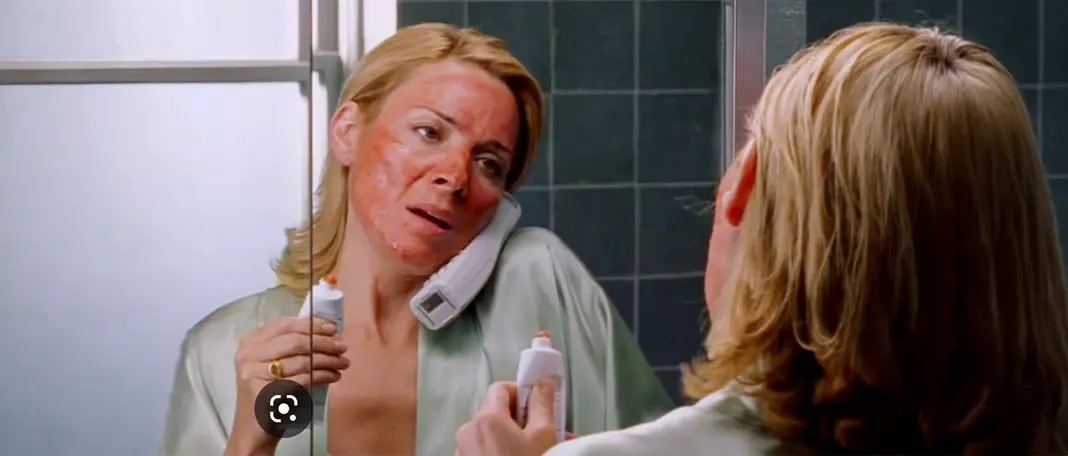
hen most people hear the words "chemical peel," their brain flashes to that iconic Sex and the City scene where Samantha shows up to a party looking like a boiled lobster — red, peeling, and mortified. Or maybe you've scrolled past before-and-after videos online that looked so terrifying you swore off the idea entirely.
Here's the truth: most of what you think you know about chemical peels is wrong. Before we get into what a chemical peel actually is, how it works, and whether it's right for your skin, let's clear the air. The myths surrounding chemical peels have kept millions of people from one of the most effective, most studied, and most versatile skin treatments available in dermatology today.
5 Myths About Chemical Peels — Debunked
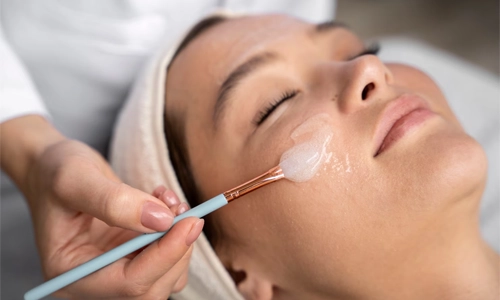
These five myths are the most common reasons people hesitate before booking a consultation. Let's put them to rest once and for all.
MYTH #1
"Chemical peels are dangerous and will damage your skin."
The Fact
When performed correctly, chemical peels are one of the safest and most well-researched cosmetic treatments available.
Chemical peels have been used in dermatology for decades. According to research published in StatPearls via NCBI, chemical peeling is a proven, medically validated procedure for a wide range of skin conditions, from acne and hyperpigmentation to photoaging and wrinkles. Side effects, when they do occur, are typically mild and temporary — redness, dryness, and light flaking that resolves within days.
Serious complications are rare when a trained professional performs the treatment on an appropriately assessed candidate. The key phrase is "qualified provider." In the hands of a board-certified dermatologist or licensed aesthetician using the correct peel for your skin type, the risk profile is low and the results are compelling.
MYTH #2
"You'll spend weeks looking like you're shedding a second skin."
The Fact
Downtime depends almost entirely on the depth of peel — and most peels require little to none.
This is perhaps the most damaging myth because it stops people from even asking about peels that would be perfect for them. Here's how recovery actually breaks down by peel type: A light (superficial) peel involves mild redness and possibly some light flaking — most patients wear makeup and return to work the very next day.
A medium-depth peel may cause more visible peeling and swelling for 5–7 days — not a great week for a big presentation, but entirely manageable. A deep peel involves more significant healing over 2–3 weeks and is typically reserved for severe photoaging or deep scarring. But here's the thing — the vast majority of people considering chemical peels for the first time are candidates for superficial or medium peels, not deep ones. The dramatic images you've seen online are the exceptions, not the rule.
MYTH #3
"Chemical peels are only for people with fair skin."
The Fact
People with all skin tones can benefit from chemical peels — with the right formulation and depth. This myth has real consequences. Historically, some aggressive peels — particularly deep phenol peels — carried greater risks of post-inflammatory hyperpigmentation (PIH) in people with deeper skin tones, which led to the misconception that peels in general are "not for darker skin." That's outdated thinking.
Today, there is a wide range of peel formulations — including mandelic acid, lactic acid, Jessner's solution, and lower-concentration TCA peels — that are routinely and safely used on Fitzpatrick skin types IV, V, and VI (medium-brown to dark complexions) with excellent results. The American Academy of Dermatology confirms that the key is choosing the right acid, concentration, and application technique for your specific skin tone. A blanket avoidance of peels based on skin color is not medically supported.
MYTH #4
"Chemical peels are painful — it must hurt to work."
The Fact
Most people describe the sensation as a mild tingling or warmth, not pain.
The word "chemical" combined with the word "peel" does suggest something unpleasant. But the reality for most patients is far gentler than the name implies. Light peels typically cause a mild tingling sensation during application, which subsides when the solution is neutralized.
Medium-depth peels may cause a more pronounced burning sensation during application (usually lasting 2–5 minutes), which providers manage with fan cooling and topical numbing cream where appropriate. Deep peels require anesthesia — but these are infrequent, physician-only procedures. The DinaMD clinic, with over 20 years of practice experience, notes that chemical peels are considered one of their "fastest and easiest" skin rejuvenation services. The intimidation factor far exceeds the actual discomfort for the vast majority of patients.
MYTH #5
"One chemical peel is all you need — results are permanent."
The Fact
Chemical peels are a treatment, not a cure. Maintenance matters — and results build over time.
A single chemical peel absolutely delivers visible results — improved texture, brightness, and tone. But the skin is a living organ that continues aging, producing melanin, and responding to environmental factors after any treatment. Light peels are best understood as a series — most dermatologists recommend 3–6 sessions spaced 4–6 weeks apart for optimal cumulative results.
Medium peels offer more dramatic single-session outcomes but benefit from occasional maintenance treatments every 6–12 months. Deep peels deliver the longest-lasting results — often 5–10 years for significant skin resurfacing — but are not a one-time fix against ongoing aging. Think of chemical peels like professional dental cleanings: one session makes a real difference, but a maintenance schedule produces the best long-term results.
Understanding Chemical Peels
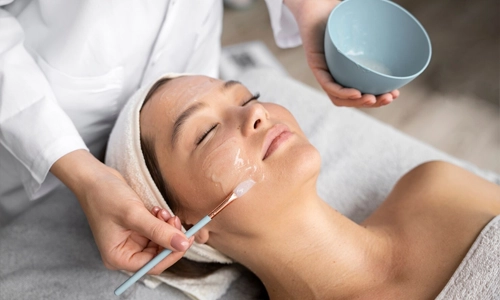
A chemical peel — sometimes called a chemical exfoliation or chemexfoliation — is a cosmetic skin resurfacing procedure in which a chemical solution is applied to the skin to deliberately remove the outermost damaged layers. This controlled damage triggers the skin's natural healing response: the treated layers peel away and new, healthier skin grows in their place.
According to the National Center for Biotechnology Information (NCBI), chemical peeling involves applying a chemical substance to the skin to cause intentional, controlled epidermal damage — with or without affecting the dermis (deeper skin layer) — that prompts skin regeneration and remodeling, improving overall skin appearance and texture.
The procedure can be performed on the face (most commonly), neck, chest, hands, and back. Depending on the strength of the solution used, a chemical peel targets different depths of the skin — from the very surface to the deeper dermal layers — producing results that range from subtle to dramatic.
What Does a Chemical Peel Actually Do to Your Skin?
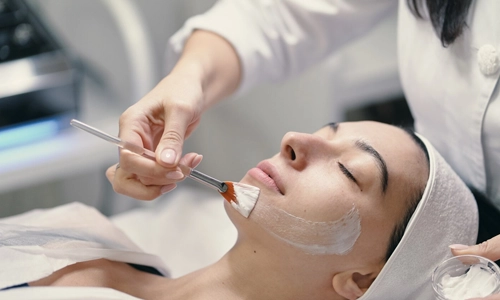
At the cellular level, here is what happens:
- The acid solution disrupts the bonds holding old, damaged skin cells together, causing the outer layers to loosen and eventually shed.
- The physical removal of these layers eliminates accumulated sun damage, hyperpigmentation, dead cell buildup, and surface imperfections.
- The controlled injury signals the body to accelerate collagen production — the structural protein responsible for skin firmness and elasticity.
- New keratinocytes (skin cells) migrate to the surface, producing fresher, more evenly-toned skin.
- The overall process accelerates cellular turnover — the natural process that slows dramatically with age — effectively hitting the reset button on the skin's surface.
The result? Smoother texture, reduced dark spots and acne scars, tighter pores, more even skin tone, and a noticeably more youthful appearance — without surgery, needles, or significant recovery time (for most peel types).
Types of Chemical Peels
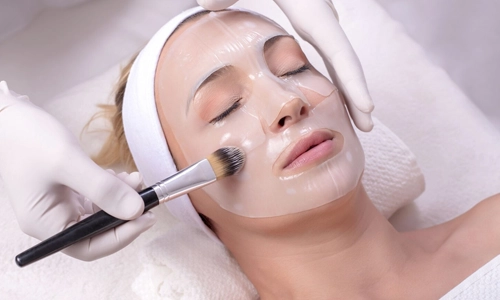
Chemical peels are broadly classified into three categories based on how deeply they penetrate the skin. Understanding this distinction is essential for choosing the right treatment for your goals.
| Peel Depth | Acids Used | Skin Layers Targeted | Best For | Downtime |
| Superficial / Light | Glycolic acid (AHA), Lactic acid, Salicylic acid (BHA), Mandelic acid, Kojic acid | Epidermis (outermost layer only) | Mild discoloration, dull skin, early aging, active acne, general brightness | Minimal — 1–3 days of mild redness/flaking |
| Medium-Depth | Trichloroacetic acid (TCA, 20–35%), Jessner's solution, Modified TCA combinations | Epidermis + upper dermis (papillary dermis) | Sun damage, moderate wrinkles, acne scarring, melasma, pigmentation disorders | 5–7 days of visible peeling and swelling |
| Deep | Phenol (carbolic acid), High-concentration TCA (>50%) | Full dermis (reticular dermis) | Deep wrinkles, severe photoaging, significant scarring, pre-cancerous lesions | 2–3 weeks; physician supervision required; sedation often used |
Popular Chemical Peel Formulations Explained
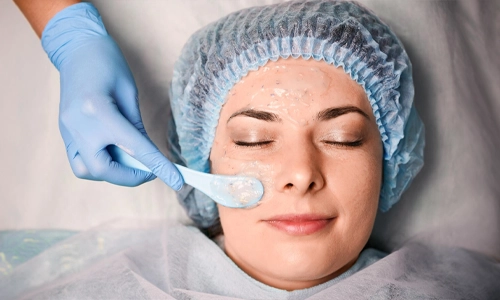
- Glycolic Acid Peel: The most widely used superficial peel. Derived from sugar cane. Excellent for brightening, reducing fine lines, and improving skin texture. Suitable for most skin types.
- Salicylic Acid Peel: A beta-hydroxy acid (BHA) that is oil-soluble — meaning it penetrates into pores to dissolve sebum and dead cells from within. The gold standard for oily, acne-prone skin.
- Lactic Acid Peel: A gentler AHA derived from milk. Hydrating and brightening. Ideal for sensitive skin, dry skin, and beginners to chemical exfoliation.
- Mandelic Acid Peel: Derived from bitter almonds. Larger molecular size means slower, gentler penetration. Particularly well-suited for darker skin tones due to lower risk of PIH.
- TCA (Trichloroacetic Acid) Peel: The workhorse of medium-depth peeling. Versatile and precise. Strength can be adjusted by concentration. Used for acne scarring, deep pigmentation, and significant photoaging.
- Jessner's Peel: A classic combination of salicylic acid, lactic acid, and resorcinol in ethanol. Creates a synergistic exfoliation effect. Popular for melasma and acne.
- Phenol Peel: The deepest and most powerful peel available. Reserved for severe photoaging and deep facial lines. Requires cardiac monitoring during application and physician supervision throughout recovery.
Which Chemical Peel Is Right for Your Skin Type?
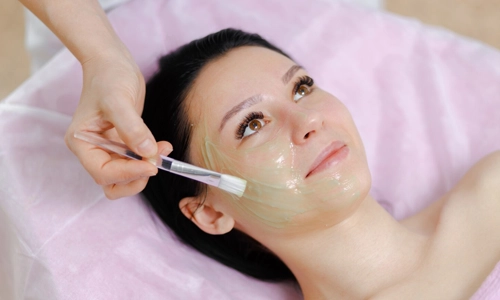
One of the most important steps before any chemical peel is understanding your Fitzpatrick skin type — the dermatological scale used to classify skin color and its response to UV light and chemical treatments. Matching the right peel to your skin type dramatically improves outcomes and reduces risk.
| Fitzpatrick Type | Skin Description | Best Peel Options | Peels to Avoid |
| Type I–II | Very fair; always burns, never tans | Glycolic, TCA, Phenol, Jessner's — full range | No specific restrictions; deep peels need expert care |
| Type III | Fair to medium; sometimes burns | Glycolic, Lactic, TCA, Jessner's, Mandelic | High-concentration phenol without expert assessment |
| Type IV | Medium/olive; rarely burns | Lactic, Mandelic, low-% Glycolic, Salicylic, low-% TCA | High-concentration TCA without careful assessment |
| Type V | Brown skin; very rarely burns | Mandelic, Lactic, Salicylic, very low % TCA | Phenol peels; high-concentration TCA; aggressive peels |
| Type VI | Dark/black skin; never burns | Mandelic acid, Lactic acid, Salicylic acid | Phenol; high-concentration glycolic or TCA without expert supervision |
Important: This table is a general guide only. A board-certified dermatologist or licensed aesthetician will assess your complete skin history, concerns, medications, and Fitzpatrick type before recommending a specific peel. Never attempt to self-diagnose your peel candidacy.
Skin Conditions That Respond Well to Chemical Peels
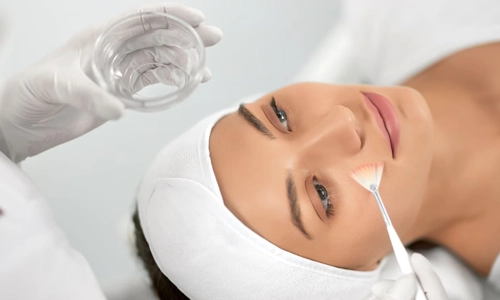
| Skin Concern | Recommended Peel Type | Evidence Level |
| Acne vulgaris (active breakouts) | Salicylic acid, Mandelic acid | Strong — multiple RCTs |
| Post-acne scarring | TCA (medium), Glycolic series | Strong |
| Melasma | Glycolic, Lactic, Jessner's, low TCA | Moderate — requires careful management |
| Sun damage / photodamage | Glycolic, TCA, Phenol (deep) | Strong |
| Fine lines and wrinkles | TCA, Phenol, Glycolic series | Strong |
| Hyperpigmentation / dark spots | Mandelic, Kojic, Lactic, TCA | Strong |
| Uneven skin tone / dullness | Glycolic, Lactic, Mandelic | Strong |
| Enlarged pores | Salicylic, Glycolic | Moderate |
| Keratosis pilaris | Glycolic, Lactic | Moderate |
| Actinic keratosis (precancerous) | TCA, Phenol | Strong — may qualify for insurance |
| Seborrheic keratosis | TCA | Moderate |
Chemical Peels Before and After: What to Realistically Expect
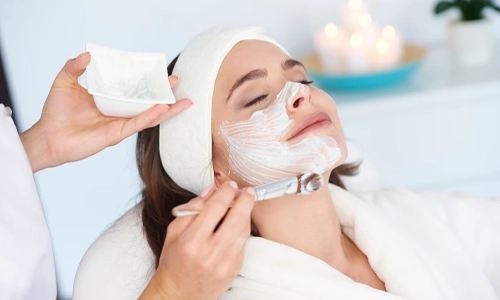
Before Your Peel — Preparation
Proper preparation is not optional — it's the foundation of a safe, effective peel. Your provider will likely guide you through:
- Pre-treatment skincare: Using a retinol or tretinoin product 2–4 weeks before the peel primes the skin and accelerates post-peel cell turnover. Your provider may also prescribe hydroquinone for darker skin types to reduce hyperpigmentation risk.
- Discontinuing certain products: Stop using exfoliants (AHAs, BHAs, retinoids) 5–7 days before the peel to avoid over-sensitization.
- Avoiding sun exposure: Tanned or sunburned skin is a contraindication for most peels.
- Wear broad-spectrum SPF 30+ daily in the weeks leading up to treatment.
- Hydration: Well-hydrated skin responds more evenly to chemical exfoliation.
- Antiviral medication: If you have a history of cold sores (oral herpes), your provider will likely prescribe antiviral medication to prevent a flare triggered by the peel.
- No waxing or shaving: Avoid waxing, depilatory creams, or close shaving of the treatment area for at least 1 week before.
- Fasting (for deep peels): Deep phenol peels may require pre-procedure fasting if sedation or anesthesia is used.
During the Procedure — What Happens in the Room
- Your skin is thoroughly cleansed and degreased to ensure even chemical penetration.
- A thin layer of the chemical solution is applied using a brush, gauze, or cotton applicator.
- You will feel a tingling, warming, or (for medium peels) a mild burning sensation that typically lasts 2–5 minutes.
- Fans, cool air, or cold compresses help manage any discomfort during application.
- For light peels, the solution is neutralized after a set time. TCA peels self-neutralize.
- Phenol peels require active neutralization.
- The entire procedure takes 30–90 minutes depending on peel depth and treatment area.
After Your Peel — The Recovery Timeline
| Time After Peel | Light Peel Recovery | Medium Peel Recovery | Deep Peel Recovery |
| Day 1 | Mild redness; skin feels tight | Redness, swelling; skin feels hot | Significant swelling; treated area weeps |
| Days 2–3 | Mild flaking begins | Peeling begins; brown/crusted areas appear | Crusting and oozing; pain managed with medication |
| Days 4–5 | Skin looks fresh; minimal peeling | Active peeling; avoid picking | Significant peeling; new pink skin visible |
| Days 6–7 | Makeup can be applied; normal activities | Peeling subsides; redness fades | Still healing; sunscreen critical |
| Days 8–14 | Full recovery; results visible | Mostly healed; some residual redness | Continued healing; pink skin normalizing |
| Weeks 3–12 | Continued collagen remodeling | Full results emerge | Full results; redness may persist weeks to months |
Realistic Before & After Expectations by Peel Type
- Light Peel (1 session): Skin appears brighter and more even; pores look smaller; mild improvement in texture. Best results after a series of 3–6.
- Light Peel (series of 6): Noticeable reduction in fine lines, dark spots, and acne frequency. Significant improvement in overall skin quality.
- Medium TCA Peel: Visible reduction in acne scars, sun spots, and moderate wrinkles. Skin looks noticeably younger and more even-toned.
- Deep Phenol Peel: Dramatic reduction in deep wrinkles and severe sun damage. Results are often described as a decade-younger appearance. Long-lasting.
Note: Individual results vary based on skin type, age, condition severity, post-peel care, and sun protection habits.
Who Actually Gets Chemical Peels — and Why?
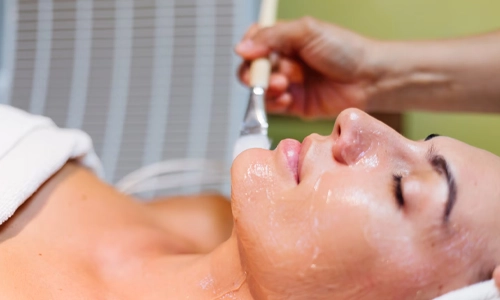
Chemical peels are one of the most popular non-surgical cosmetic procedures in the United States. According to the American Society of Plastic Surgeons, millions of chemical peel procedures are performed annually in the US, making it a top-five non-invasive cosmetic treatment.
Who Performs Chemical Peels?
The level of provider required depends on the depth of the peel:
- Licensed Aesthetician: Can safely perform light/superficial peels. Typically works in medical spas, day spas, or skincare clinics. Should have specific training in chemical exfoliation.
- Licensed Nurse (RN/NP) or Physician Assistant (PA): Can perform light to medium-depth peels under physician supervision in a medical setting.
- Board-Certified Dermatologist: Can perform all peel depths including medium and deep peels. The best choice for complex skin conditions, darker skin tones, or when combining peels with other treatments.
- Plastic Surgeon or Facial Plastic Surgeon: Typically performs deep peels, particularly when combined with surgical procedures.
The RealSelf recommendation: "Remember, someone will be applying a chemical solution to your skin to intentionally damage it... You want to make sure they know what they're doing." — Always verify credentials before booking.
Why Would Someone Get a Chemical Peel?
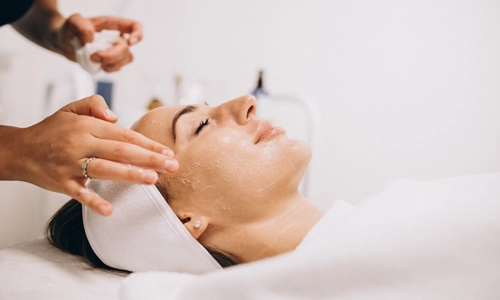
People seek chemical peels for a remarkably diverse range of reasons:
| Goal | Why a Chemical Peel? |
| Anti-aging / wrinkle reduction | Stimulates collagen; removes damaged surface cells; reveals smoother skin |
| Acne treatment | Salicylic/glycolic peels unclog pores, reduce oil, kill bacteria, calm inflammation |
| Acne scar improvement | TCA and medium peels remodel scar tissue and stimulate new collagen formation |
| Hyperpigmentation / dark spots | Acids inhibit melanin production and remove pigmented surface cells |
| Melasma management | Combination peels (Jessner's + TCA) are a frontline dermatology treatment for melasma |
| Sun damage reversal | Removes UV-damaged cells; stimulates healthy collagen growth |
| Skin texture improvement | Smooths rough, uneven texture; reduces visible pore size |
| Wedding/event prep | Series of light peels for a 'lit from within' glow before a major event |
| General skin maintenance | Regular light peels maintain cell turnover as a complement to home skincare |
| Pre-cancerous lesion removal | TCA or phenol for actinic keratosis — may qualify for insurance coverage |
Benefits of Chemical Peels
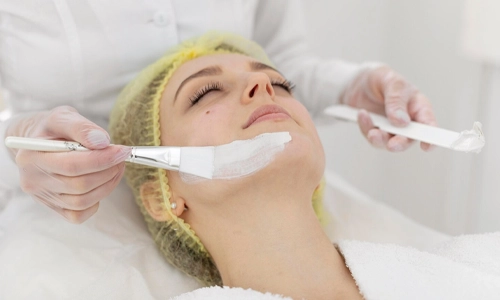
Let's get specific about what chemical peels can actually deliver — with the evidence to back it up.
- Smoother skin texture: Removes accumulated dead cells and surface irregularities, leaving skin noticeably softer and more refined.
- Even skin tone: Reduces dark spots, sun spots, post-acne marks, and general discoloration through acid-induced melanin disruption.
- Collagen stimulation: Controlled wound healing triggers fibroblast activation and new collagen synthesis — the gold standard anti-aging mechanism.
- Acne reduction: Salicylic and glycolic acid peels are clinically proven to reduce acne lesion count, frequency, and severity.
- Scar improvement: Medium-depth TCA peels significantly reduce the appearance of atrophic (depressed) acne scars and surgical scars.
- Pore minimization: By clearing debris and tightening the skin surface, peels reduce the visible appearance of enlarged pores.
- Youthful glow: Accelerated cell turnover reveals fresher, more luminous skin underneath the dull surface layers.
- Improved product absorption: Freshly peeled skin absorbs serums, moisturizers, and treatments more effectively — maximizing your skincare investment.
- Melasma improvement: Jessner's and TCA combination protocols are considered first-line dermatological treatment for melasma.
Side Effects of Chemical Peels
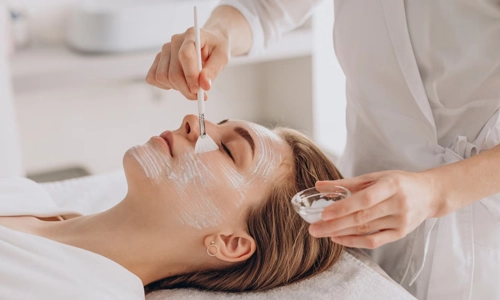
No cosmetic procedure is entirely without risk. Understanding the full spectrum of possible side effects — from the common and minor to the rare and serious — helps you make an informed decision and know what to watch for post-treatment.
Common Side Effects (Expected and Temporary)
- Redness and irritation: Normal after all peel depths; severity and duration increase with peel depth. Resolves within hours to days for light peels.
- Peeling and flaking: The intended mechanism of the treatment. Can range from mild flaking (light peel) to significant sheet-peeling (medium/deep).
- Dryness and tightness: The skin feels dry and tight during the healing phase. Intense moisturization is critical.
- Temporary sensitivity: Treated skin is more sensitive to touch and temperature immediately post-peel.
- Swelling (medium/deep peels): Particularly around the eyes. Typically peaks 48–72 hours post-treatment.
Less Common Side Effects
- Post-inflammatory hyperpigmentation (PIH): Particularly in deeper skin tones. The risk is significantly reduced by proper skin preparation and post-peel sun protection.
- Prolonged redness (erythema): More common with medium and deep peels. May persist for weeks to months.
- Acne flare: Some patients experience a temporary breakout in the first 1–2 weeks post-peel as cellular turnover increases. This is self-limiting.
- Milia (small white bumps): Can develop as new skin regenerates, particularly under occlusive post-peel ointments.
Rare but Serious Side Effects
- Scarring: Very rare when peels are performed by qualified providers. Risk increases with at-home or unprofessional application of inappropriate concentrations.
- Infection: Bacterial, viral, or fungal infection can occur if post-peel skin is not properly protected. Antiviral prophylaxis is prescribed for herpes-prone patients.
- Allergic reaction: Rare; more common with combination peel formulas containing resorcinol.
- Cardiac complications (phenol peels only): Phenol can cause cardiac arrhythmia if absorbed systemically during deep peels performed without cardiac monitoring.
- Persistent hypopigmentation (loss of skin color): A long-term risk of deep phenol peels; the skin may permanently lose some pigment in the treated area.
When to Stop and When to Worry
STOP the treatment and contact your provider if you experience:
- Intense burning that does not subside within 30 minutes of the peel being neutralized
- Blistering or open wounds that are expanding rather than healing
- Signs of infection: warmth, pus, foul odor, fever, or spreading redness
- Severe allergic reaction: hives, facial swelling, difficulty breathing — seek emergency care immediately
- Herpes outbreak (cold sore outbreak) in the treatment area — contact your provider for antiviral treatment
- Persistent hyperpigmentation or skin darkening that is worsening after 4 weeks — do not attempt to treat at home
- Any unexpected skin change that concerns you — when in doubt, call your provider
Chemical Peels: Pros and Cons
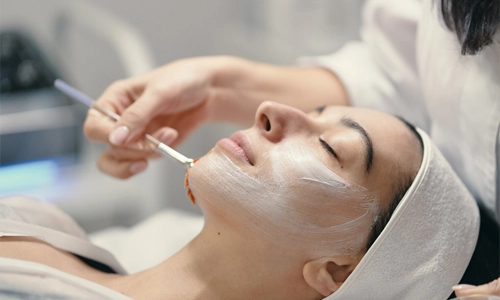
| ✅ PROS | ❌ CONS |
| Clinically proven to improve acne, pigmentation, texture, and aging | Not a permanent fix — maintenance treatments are needed |
| Wide range of depths and formulations for all skin types and concerns | Cost is not covered by insurance in most cases (cosmetic classification) |
| Non-surgical with no stitches, incisions, or implants | Downtime varies — medium/deep peels require social downtime of 1–3 weeks |
| Faster results than most topical skincare routines | Risk of PIH in darker skin tones if not expertly managed |
| Doubles as a treatment for pre-cancerous actinic keratoses | At-home peels carry significant risk of overexposure and burns |
| Boosts absorption of skincare products post-treatment | Strict sun avoidance required during recovery — inconvenient for some |
| Can be combined with other treatments (microneedling, laser, fillers) | Some formulations are contraindicated during pregnancy |
| Results improve cumulatively with a series of treatments | Significant variability in results based on provider skill and patient compliance |
How Much Does a Chemical Peel Cost in the US?
Chemical peel costs vary widely based on peel depth, geographic location, provider type, and whether additional services are bundled. Here is a comprehensive 2025 pricing breakdown:
| Peel Type | National Average Cost | Price Range | Sessions Needed | Annual Cost Estimate |
| Light / Superficial Peel | ~$275 per session | $100–$400 | 3–6 sessions | $825–$1,650/year |
| Medium-Depth Peel | ~$900 per session | $300–$1,200 | 1–3 sessions | $900–$2,700/year |
| Deep Peel (Phenol/TCA) | ~$2,000–$3,500+ | $1,500–$5,200+ | 1 session (rare retreatment) | $2,000–$5,200 total |
Source: The American Society of Plastic Surgeons (ASPS) reports an average chemical peel cost of $519 nationally. The 2024 Synchrony/CareCredit cost study found the range to be $192–$5,174 depending on variables. A 2025 California-based pricing analysis found light peels averaging $150–$400, medium peels $600–$1,200, and deep peels $1,500–$3,500.
Cost by Location (2025 Averages)
| State / Region | Light Peel | Medium Peel | Deep Peel |
| New York | ~$325 | ~$1,000 | ~$2,900 |
| California | ~$275 | ~$900 | ~$2,600 |
| Florida | ~$250 | ~$850 | ~$2,400 |
| Texas | ~$220 | ~$800 | ~$2,200 |
| Washington | ~$260 | ~$900 | ~$2,400 |
| National Average | ~$275 | ~$900 | ~$2,000–$3,500 |
What's Included in the Cost?
- Consultation fee (may be separate — typically $50–$200, often applied to treatment cost)
- The peel procedure itself
- Post-peel kit (soothing creams, sunscreen — may be bundled or charged separately)
- Follow-up appointment (included by reputable providers)
- Numbing cream or comfort measures (for medium/deep peels)
Does Insurance Cover Chemical Peels?
In the vast majority of cases, no. Health insurers classify chemical peels as cosmetic procedures and do not provide coverage. However, there are exceptions:
- Treatment of actinic keratosis (a pre-cancerous lesion) using TCA or phenol may qualify for partial coverage.
- Treatment of severe acne with demonstrated medical impact may qualify for consideration.
- Pre-authorization and documentation from a board-certified dermatologist are required for any insurance coverage request.
- Many dermatology practices and med-spas offer financing plans, package pricing, and payment plans (including services like CareCredit) to make treatments more accessible.
How Often Should You Get a Chemical Peel?
| Peel Depth | Recommended Frequency | Rationale |
| Light / Superficial | Every 4–6 weeks | Aligns with natural skin cell turnover cycle (~28–40 days). Safe for regular maintenance. |
| Medium-Depth | Every 3–6 months | Deeper tissue remodeling needs adequate healing and collagen maturation time between sessions. |
| Deep (Phenol) | Once every several years (or once only) | Significant and long-lasting resurfacing; retreatment is rarely necessary and must be carefully assessed. |
Most dermatologists recommend starting with a series of 3–6 light peels spaced 4 weeks apart, then transitioning to a maintenance schedule of 1 light peel every 6–8 weeks, or a medium-depth peel every 6 months. Your provider will tailor this schedule to your skin's response and goals.
Post-Peel Aftercare: The Rules That Protect Your Results
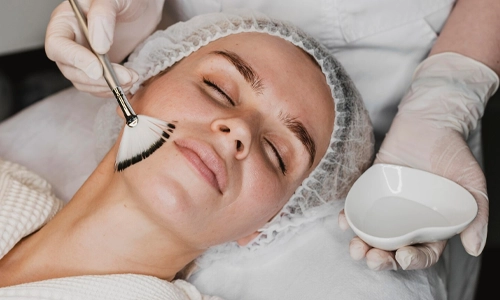
What you do after a chemical peel is just as important as the peel itself. Failing to follow aftercare instructions is the most common reason for suboptimal results and preventable complications.
Non-Negotiable Rules for All Peel Depths
- Sunscreen every single day: Freshly peeled skin is extremely vulnerable to UV damage and PIH. Wear SPF 30+ (broad-spectrum, mineral preferred) every morning — rain or shine — for at least 4–6 weeks post-treatment.
- Do not pick, peel, or pull: Removing peeling skin prematurely disrupts the healing process, risks scarring, and can introduce infection. Let the skin shed naturally.
- Moisturize generously: Apply a gentle, fragrance-free moisturizer or post-peel barrier cream frequently to support healing and minimize tight, uncomfortable skin.
- No active ingredients: Avoid retinols, AHAs, BHAs, Vitamin C (in high concentrations), and exfoliants until your provider confirms it is safe to reintroduce them.
- No heat: Avoid saunas, hot showers, steam rooms, and vigorous exercise (which increases skin temperature) for 5–7 days.
- No makeup on broken skin: Wait until the active peeling phase is complete before applying makeup. Use non-comedogenic, fragrance-free formulas when you do return.
- Stay hydrated: Drink plenty of water to support your skin's healing from the inside out.
- Follow up with your provider: A post-peel assessment helps catch any early signs of complication and ensures you're healing as expected.
At-Home Chemical Peels vs. Professional Treatments
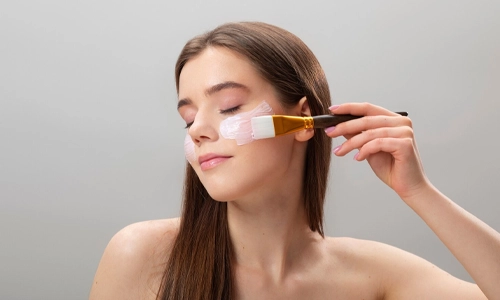
The market is flooded with at-home chemical peel kits, serums, and pads. Are they worth it? Here's an honest comparison:
| Factor | At-Home Peels | Professional Peels |
| Acid concentration | Low — typically 5–30% (AHA/BHA) | Higher — up to 70%+ (supervised) |
| Penetration depth | Superficial only — epidermis | Superficial through deep dermis |
| Risk of adverse effects | Low if used correctly; higher if misused | Low when performed by qualified provider |
| Results | Subtle; require consistent use | More dramatic; faster visible improvement |
| Customization | Limited to product formulation | Fully customized to your skin type and concern |
| Cost per session | $20–$100 | $100–$3,500+ depending on depth |
| Supervision | None | Professional oversight throughout |
| Best for | Maintenance between professional peels; beginners | Treating specific skin conditions; more significant results |
Bottom line: At-home peels are a legitimate maintenance tool but cannot replicate the depth, precision, or safety of a professional treatment. For any significant skin concern — acne scarring, melasma, moderate wrinkles, or hyperpigmentation — professional treatment with a qualified provider delivers meaningfully superior results.
Frequently Asked Questions About Chemical Peels
Q1: Are chemical peels safe for sensitive skin?
Yes — with the right formulation. Lactic acid and mandelic acid peels are the gentlest options and are specifically recommended for sensitive skin types. A patch test and consultation with a dermatologist or licensed aesthetician before your first peel are strongly recommended. Glycolic acid in higher concentrations can be too aggressive for reactive skin.
Q2: Can I get a chemical peel if I'm pregnant?
Most dermatologists recommend avoiding professional chemical peels during pregnancy — particularly medium and deep peels. Salicylic acid in high concentrations is contraindicated in pregnancy. Lactic acid in low concentrations (as found in some gentle peels) is generally considered safe, but you should consult your OB-GYN before any cosmetic procedure during pregnancy.
Q3: How long do chemical peel results last?
Results vary by peel depth. Light peel results typically last 1–2 months before cellular buildup dulls the skin again — which is why they're performed in series. Medium peel results can last 6–12 months with proper sun protection. Deep phenol peel results can last 5–10 years or longer for wrinkle improvement, although the skin continues aging naturally.
Q4: Can I combine a chemical peel with other treatments?
Yes — combination approaches are common in modern dermatology. Chemical peels are frequently combined with microneedling, laser resurfacing, botulinum toxin (Botox), and dermal fillers. Your provider will sequence these treatments appropriately to avoid over-treating the skin and to optimize results. Never combine treatments without professional guidance.
Q5: Will a chemical peel get rid of my acne scars completely?
A series of medium-depth TCA peels can significantly reduce the appearance of atrophic (depressed) acne scars — particularly shallow, rolling, and boxcar scars. However, deep "ice pick" scars and very severe scarring may require additional treatments such as microneedling, subcision, or laser resurfacing for optimal improvement. Realistic expectations are important: chemical peels improve scars dramatically but may not eliminate them completely.
Q6: Can I wear makeup after a chemical peel?
After a light peel, you can typically apply makeup 24 hours post-treatment. medium peel, wait 5–7 days and use non-comedogenic, fragrance-free products only. After a deep peel, your provider will advise you — typically 2 weeks minimum. Applying makeup over actively peeling, compromised skin increases infection risk and impairs healing.
Q7: What's the difference between a chemical peel and microdermabrasion?
Microdermabrasion is a physical exfoliation that uses fine crystals or a diamond-tipped wand to mechanically buff the skin's surface. It is gentler, requires zero downtime, and produces subtler results. Chemical peels use acid solutions to chemically dissolve and remove skin cells — they can penetrate deeper, treat a wider range of conditions, and produce more significant results, but require more recovery time. Many providers offer a combination of both.
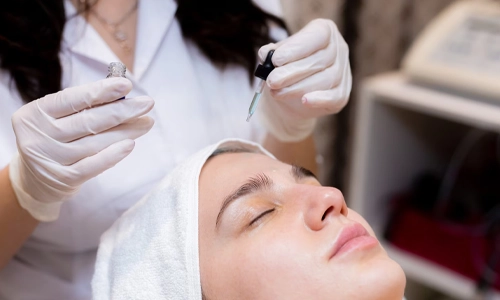
Chemical peels are not the frightening, face-melting procedure that pop culture made them out to be. They are not exclusively for people with fair skin, enormous budgets, or two weeks to hide from the world. And they are not a one-time fix or a magic eraser.
What they are is one of the most evidence-backed, versatile, and effective tools in modern skincare — capable of addressing everything from everyday dullness and acne to serious sun damage and deep scarring. When you match the right peel to the right skin type, performed by a qualified provider with proper preparation and aftercare, a chemical peel is an investment that shows on your face every single day.
The myths have had their day. Now you have the facts. The next step? Book a consultation with a board-certified dermatologist or licensed aesthetician, discuss your goals and skin history honestly, and let the science do what it has been doing reliably for decades.
Your skin has been waiting long enough.