

Whether you’re welcomed home by a tail-wagging dog or fall asleep to the gentle purring of a cat, the emotional connection we share with pets is undeniable. But did you know that the benefits of owning a pet extend far beyond cuddles and companionship?
From reducing blood pressure to combatting loneliness, owning a pet can transform your emotional and physical well-being. And no—it’s not just dogs and cats. Birds, rabbits, fish, reptiles, and even guinea pigs each bring their own kind of magic.
Let’s break down what science, psychology, and experience tell us about the benefits of animals in our lives—and why welcoming a pet could be the best health decision you’ll ever make.
Mental Health Benefits of Owning a Pet
Pets Help Us Feel Less Lonely

Whether you're a college student missing home, or a senior living alone, pets provide comfort and companionship that cuts through the silence. A 2022 survey revealed that 95% of pet owners consider their pet family, proving emotional bonds go well beyond species.
They Calm Our Minds
Spending time with pets—whether walking your dog, stroking your cat, or even watching a goldfish swim—releases oxytocin, the "feel-good hormone." It also lowers cortisol, the stress hormone. This hormonal balance helps reduce anxiety, improve focus, and bring a sense of calm.
A Natural Antidepressant
Pets offer unconditional love. They don’t care what job you have, what you look like, or how you feel—they just want to be near you. This kind of consistent emotional support releases dopamine, the pleasure hormone, which boosts mood and combats depression.
How Pets Encourage Healthy Habits

Caring for a pet adds structure to your day. You’ll wake up on time, stick to feeding schedules, and even get outdoors more—especially if you have a dog.
Daily Activity and Exercise
Dogs need walks. Rabbits need playtime. Even changing a fish tank or cleaning a birdcage gets you moving. That movement means better cardiovascular health, improved mobility, and a stronger immune system.
Routines Build Resilience
The act of feeding, grooming, or playing with your pet each day fosters a sense of responsibility, helps form habits, and encourages self-discipline—especially valuable for children and seniors.
Physical Health Perks of Pet Ownership
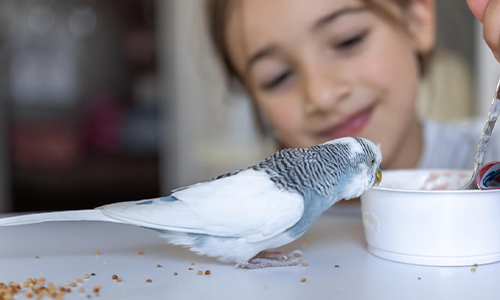
Lower Blood Pressure & Heart Rate
Numerous studies show that petting your dog or cat can lower blood pressure and heart rate almost immediately. Just a few minutes of snuggles can have an effect similar to meditation.
Reduced Risk of Cardiovascular Disease
According to the American Heart Association, dog owners have a lower risk of heart disease, likely due to increased physical activity and reduced stress levels.
Stronger Immunity
Children raised around pets tend to have fewer allergies and stronger immune systems. Exposure to pet dander and fur from an early age helps the body build natural resistance.
Choosing the Right Pet for You
What are the Benefits of Owning a Dog?
Dogs are loyal companions who offer emotional support, daily motivation, and a reason to stay active. Walking your dog boosts your cardiovascular health and helps you build social connections in your neighborhood or park.
Perfect for: Active individuals, families, or anyone seeking a best friend who never leaves your side.
Is Owning a Cat Good for Mental Health?

Cats are known to reduce anxiety, offer quiet companionship, and are low-maintenance pets for apartment dwellers. Their purring can have a calming, even therapeutic, effect.
Ideal for: People who want affection on their own terms, busy professionals, or those who prefer indoor pets.
What are the Benefits of Owning a Pet Fish?
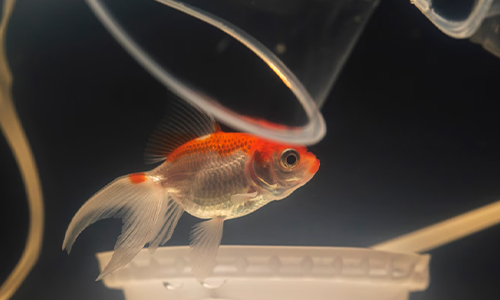
Watching fish swim has been scientifically linked to lower blood pressure and stress reduction. They're silent, peaceful, and low-maintenance—making them great for people who want a calming presence without much interaction.
Great for: Beginners, those with allergies, or anyone seeking a zen-like environment.
Do Birds Make Good Pets?
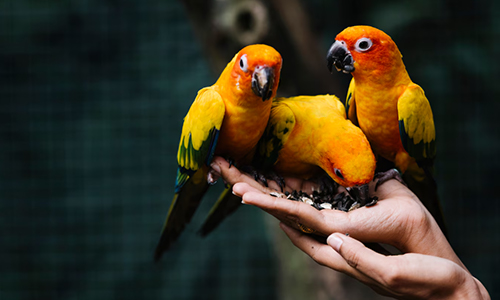
Yes, birds are intelligent, entertaining, and many (like parrots and budgies) can mimic speech or learn tricks. Their songs and chirps add cheer to the home. They also help reduce feelings of loneliness.
Best for: People who enjoy interactive pets but have limited space.
Are Rabbits Affectionate Pets?

Rabbits are gentle, cuddly, and love to be stroked. They form close bonds with their owners and can even be litter-trained. They’re quiet yet emotionally responsive, making them excellent emotional support animals.
Ideal for: Families, apartment dwellers, or anyone who enjoys calm, affectionate pets.
What are the Benefits of Owning a Turtle?

Turtles are low-maintenance reptiles that don’t require daily interaction but still offer the joy of pet ownership. They teach patience, responsibility, and are fascinating to observe.
Great for: Kids, minimalists, and those who prefer calm pets without noise or fur.
Can Exotic Pets like Spiders or Reptiles Help with Mental Well-being?
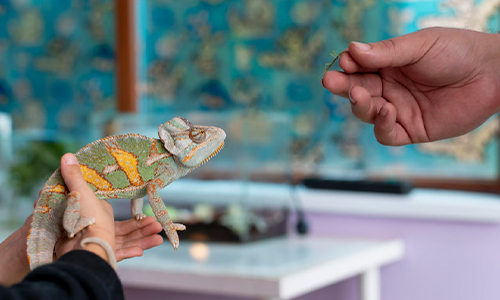
Yes! While unconventional, pets like tarantulas or geckos provide comfort to those who feel a special connection with them. Taking care of exotic pets encourages mindfulness and responsibility.
Best for: People who like unique pets and have experience or willingness to research care requirements.
The Social Benefits of Owning a Pet
- Dog walks turn into neighborhood chats.
- Bird owners bond over breeds in online communities.
- Cats can be an instant icebreaker on a video call.
Pets make us more social, not less. They help children with autism build communication skills and give seniors meaningful companionship that improves their quality of life.
Important Considerations Before Owning a Pet

With great love comes great responsibility. Pets rely on us for everything—food, shelter, health, and emotional support. Consider:
- Can you afford food, grooming, and vet care?
- Do you have time for daily care and interaction?
- Is your home environment suitable for your chosen pet?
Being a pet parent is a long-term commitment—but one that rewards you every day.
Frequently Asked Questions
Are pets good for mental health?
Yes, studies consistently show that the mental health benefits of owning a pet are substantial. Pets offer companionship, unconditional love, and emotional support. They help reduce feelings of loneliness and are even used in therapy for people with PTSD, anxiety, and depression.
What is the best pet for emotional support?
Dogs are the most common emotional support animals, but cats, rabbits, and even birds can also provide comfort. The best pet depends on your lifestyle and preferences. For example:
- Dogs: active companionship
- Cats: calm and low-maintenance comfort
- Rabbits: gentle affection
- Birds: engaging and interactive
Are there benefits to owning pets other than dogs and cats?
Yes!
- Fish: Reduce stress and lower heart rate
- Birds: Stimulate mental engagement with their chatter and song
- Rabbits and guinea pigs: Provide gentle companionship
- Reptiles: Low-maintenance pets for allergy sufferers
Each pet type has its own emotional and psychological advantages.
Which pet is best for low-maintenance companionship?
Fish, birds, and cats are considered low-maintenance yet emotionally rewarding pets. Fish, in particular, are known to reduce stress and promote calmness with minimal upkeep.
Do pets help with anxiety or depression?
Yes. Interacting with pets increases oxytocin (the bonding hormone) and reduces cortisol (the stress hormone), both of which help ease anxiety and stabilize mood. Even simple actions like petting your dog or watching your fish swim can bring significant relief.
Can owning a pet improve social connections?
Yes! Pets are social icebreakers. Dog owners often meet others on walks or at dog parks. Having pets can also help children with autism or social anxiety learn to connect and express themselves better.
Is owning a pet good for children?
Yes. Children who grow up with pets often have better immunity, reduced allergy risks, and more empathy. Caring for pets teaches kids responsibility, patience, and emotional regulation.
Is pet ownership suitable for people with allergies?
Yes, but pet choice matters. Hypoallergenic breeds of dogs and cats, or alternative pets like fish, reptiles, or birds, can be great options for those with allergies.
Do pets help the elderly?
Very much so. Seniors benefit from reduced loneliness, improved routine, and better emotional well-being when they have a pet. Smaller, low-maintenance pets like cats, fish, or small dogs are especially suitable for elderly individuals.
Can pets help children learn responsibility?
Yes. Feeding, grooming, and walking a pet helps children develop routines, empathy, patience, and accountability in a hands-on, loving way.
Why Pets Truly Change Our Lives

The benefits of owning a pet are not just heartwarming—they’re scientifically proven. From lower stress levels and healthier hearts to happier minds and deeper human connections, animals have a unique way of making life fuller.
So if you’re on the fence about adding a furry, feathery, or scaly friend to your family, consider this your sign. Your body, mind, and soul will thank you.