

Most of us experience extreme fear of animals, objects, places, and situations. This fear can vary for each person and often results in great anxiety and distress. So, what do you call a person who is scared of holes? Trypophobia is the fear triggered by closely packed holes. Those affected experience several negative emotions when viewing small holes. Women are affected by this phobia more than men. Read on to learn more about the symptoms, causes, potential triggers, and preventive measures for trypophobia.
What to Know about Trypophobia?

The word trypophobia is derived from the Greek words ‘trypa,’ meaning hole, and ‘phobos,’ meaning fear. Trypophobia is defined as the strong fear of holes, such as soap bubbles, irregular patterns, honeycombs, and sea sponges. These views can make you feel sick and panic more easily.
What Triggers Trypophobia?

If you undergo trypophobia, you might feel discomfort, anxiety, and disgust when looking at things like:
- Cheese with holes
- Sponges
- Insects and bees
- Scars & spots
- Sunflowers
- Honeycombs
- Lotus seed pods
- Bubbles
- Pomegranates
- Swiss cheese
- Skin on snakes and lizards
- Pebbled roads
- Spotted animals
Common Trypophobia Triggers and Potential Solutions
The fear is real and several coping mechanisms might work. Here are some common trypophobia triggers and potential solutions for managing the associated fear and anxiety.

Symptoms of Trypophobia

Some specific symptoms of Trypophobia include:
- Sweating
- Pale skin
- Nausea
- Dizziness
- Rapid heartbeat
- Choking
- Chills
- Visual discomfort
- Depression
- Anxiety
Trypophobia Complications

The symptoms of trypophobia can have a big impact on your daily life. These also create some complicated problems such as:
- Sleep trouble
- Chronic stress
- Mood swings
- Alcohol and drug consumption
- Social isolation
Trypophobia Treatment

Phobia treatments are based on the medical history and symptoms of the person. Follow the below steps to control the trypophobia to some extent.
1. Exposure Therapy

In this therapy, your therapist explains the causes of your fear. They then provide remedies to help you manage the anxious feelings and thoughts you experience. Exposure therapy involves looking at videos or pictures with holes, holding a sponge, and thinking about the trypophobia triggers.
2. Medication
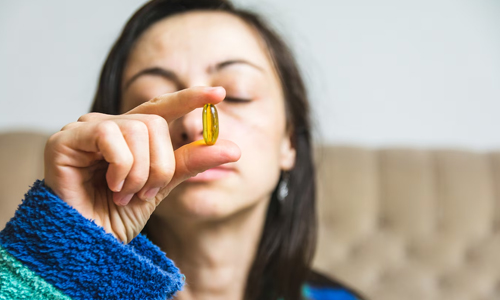
Sedatives and other drugs reduce the overall symptoms of fear, anxiety, and depression in people. You can take medications based on situations or on a daily basis. Some medications to treat trypophobia include sedatives, antidepressants, and beta-blockers.
3. Cognitive Behavioral Therapy

You can talk to your therapist about the fear of cognitive behavioral therapy. This helps you change your perceptions and thoughts. You can also learn the best methods to deal with your feelings and thoughts based on situations.
4. Relaxation Techniques

Practice easy relaxation techniques to calm your body and mind in stressful situations. Some methods to manage trypophobia include doing yoga, deep breathing exercises, guided imagery, mindfulness, and muscle relaxation techniques.
5. Self-Care
Apart from medication and talk therapy, you can self-care yourself for better relief. Following a nutritious diet, doing quick exercises, getting enough sleep, and consuming less caffeine helps you manage trypophobia.
Facts About Trypophobia
Here are some facts you should know about trypophobia:
- Trypophobia affects your ability to socialize, work, and do other activities.
- It first appeared on a web forum in 2005
- You can diagnose this phobia by analyzing your symptoms.
- The exact cause of trypophobia is unknown.
Hope you have an idea about trypophobia symptoms, complications, treatments, and other facts. If you have severe emotional distress due to trypophobia, you can consult a healthcare professional for better remedies.
Conclusion :
Trypophobia doesn’t have a cure; however, it can be managed. In case anxiety disrupts how you live daily don’t hesitate to visit your healthcare provider. Either Exposure therapy or other forms of mental health treatments are possible options to help you control your trypophobia triggers.