
Nutmeg is a popular spice worldwide used in holiday treats, beverages, baked goods, and ethnic cuisine. This plant grows abundantly in Indonesia, India, tropical America, Sri Lanka, the Pacific Islands, and the Philippines. Several powerful compounds in nutmeg help prevent diseases and promote your overall health. Are you curious about nutmeg's nutritional value and other health benefits? Let’s delve into it.
What is Nutmeg?

One of the most useful spices for both savory and sweet cooking. From muffins to cheesecake, nutmeg works well all the time. It is native to the Moluccas and has a warm, sweet taste with a distinctive fragrance. It is used to flavor many kinds of sausages, vegetables, potatoes, meats, puddings, and vegetables.
Nutritional Value of Nutmeg
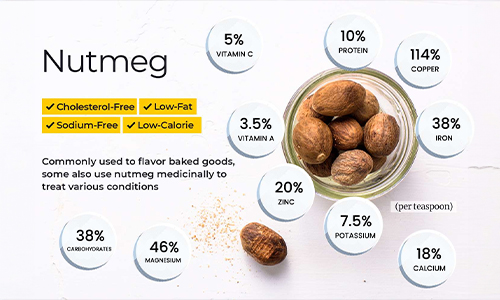
It is rich in various sources of fiber, iron, vitamins, copper, magnesium, phosphorus, and more. We have listed the nutritional value of nutmeg below:
10 Nutmeg Benefits
Nutmeg has various benefits, however, you cannot consume it in large amounts. Consumption of too much can result in vomiting, dizziness, headaches, and memory disturbance. On the other side, it has a great role in treating diabetes, fighting acne, and more. Let us look at detailed information about its benefits.
1. Treat Involuntary Urination
Involuntary urination is a condition seen in older people due to the loss of bladder control. Consuming nutmeg allows you to improve this condition slowly. You can add a small amount of its powder to a glass of water and take it twice a day for better results.
2. Better Sleep

The intake of nutmeg offers better sleep and aids in curing insomnia without sleeping pills. You can have a pinch of this powder with warm milk before going to bed. Be cautious with nutmeg because too much of it can lead to mental confusion and even some unusual experiences.
3. Cure Diabetes
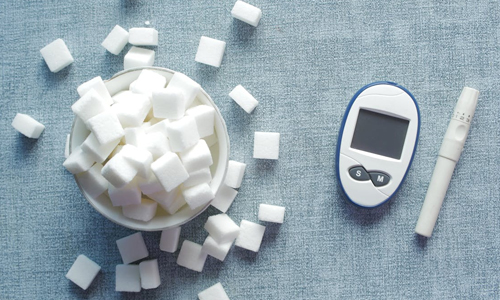
The nutrients in nutmeg can cure the symptoms of diabetes. It helps reduce blood sugar levels and increases pancreatic function.
4. Better Digestion
Having indigestible food results in the accumulation of gas in the alimentary canal. You can intake nutmeg at that time for better digestion, and it treats stomach ulcers. You can take this with milk or other cereals.
5. Fight Acne
The anti-bacterial properties of nutmeg help in treating various skin problems. This improves skin appearance and treats acne symptoms like redness, visible pores, scars, or inflammation. You can use it as a mask by mixing it with rosewater or honey. Leave it for 15-20 minutes, and wash your face well.
6. Healing Antioxidants
Nutmeg is filled with various antioxidants that prevent signs of aging and other health conditions. Antioxidants prevent cellular damage and neutralize free radicals. These antioxidants also heal your oxidative stress and lessen the chance of chronic diseases.
7. Anti-inflammatory Properties
This is packed with anti-inflammatory properties that lower the symptoms of inflammatory disease and reduce inflammation. It reduces microbial infection, the risk of obesity, and other inflammation in the intestine.
8. Reduce Cholesterol
It ensures lower your cholesterol and increases the level of HDL. You can add this to your normal diet to reduce your cholesterol level. Having it in simple foods instead of flavored desserts.
9. Treat Bad Breath
The antibacterial and antimicrobial properties help clean your system. Eugenol, a chemical in nutmeg, prevents cavities and relieves toothache as well.
10. Relieves Pain
The anti-inflammatory property of nutmeg helps ease discomfort and pain. Chemicals like eugenol, myristicin, safrole, and elemicin in this spice help treat pain.
How to Take Nutmeg?

You can consume nutmeg in several ways such as:
- Adding to tea, coffee, milk, and hot chocolate.
- Use it with seasonal vegetables such as sweet potatoes and cauliflower.
- Sprinkle over fruit, oatmeal, and breakfast cereals.
- Use it as an ingredient in baked goods.
- Add to seasonal beverages including mulled wine, cider, and eggnog.
Precautions to Take with Nutmeg
- It might trigger asthma and cause other allergies.
- Unsafe to take during pregnancy and breastfeeding.
- Avoid taking it in high doses.
FAQs on the Benefits of Nutmeg and Its Uses
1. What are the overall health benefits of nutmeg?
Nutmeg is a powerhouse of antioxidants and essential oils that support digestion, relieve pain, improve mood, and even enhance brain function. It also contains antibacterial properties that may help keep your mouth and gums healthy.
2. What are the benefits of nutmeg for sleep?
Nutmeg has a natural calming effect. A pinch of nutmeg in warm milk before bed is a traditional remedy known to improve sleep quality and reduce insomnia symptoms. That’s why many swear by the benefits of nutmeg with milk at night.
3. Does nutmeg have any sexual health benefits?
Yes, several studies suggest that nutmeg may act as a natural aphrodisiac. The nutmeg benefits sexually include improving libido and circulation, especially in men. However, it should be consumed in moderation.
4. What are the nutmeg benefits for female health?
Nutmeg supports hormonal balance, helps reduce menstrual cramps, and is also believed to aid fertility in women. The nutmeg benefits for female health also include better mood regulation and restful sleep.
5. What are the benefits of nutmeg for male health?
For men, nutmeg benefits include boosting testosterone levels, enhancing mood, and improving sexual performance when consumed appropriately. It may also support better circulation and reduced anxiety.
6. How much nutmeg should you eat daily?
A safe amount is usually around 1/8 to 1/4 teaspoon per day. Taking too much nutmeg daily may lead to adverse effects like nausea or hallucinations. Always consult a healthcare professional before taking it in supplement form.
7. What are the benefits of nutmeg for hair?
Nutmeg oil and powder are rich in nutrients that may promote scalp health, reduce dandruff, and encourage hair growth. Many people mix nutmeg with carrier oils or masks for added nutmeg benefits for hair.
8. Can nutmeg help with skin problems?
Yes! Nutmeg has anti-inflammatory and antibacterial properties that may help treat acne, reduce pigmentation, and give your skin a healthy glow. DIY masks using honey and nutmeg are quite popular for benefits of nutmeg on skin.
9. Is nutmeg safe for babies and kids?
In small quantities, yes. Nutmeg can help relieve colic and promote digestion in infants, but only under a pediatrician’s guidance. The benefits of nutmeg for babies are traditional, so always use caution.
10. What are the spiritual benefits of nutmeg?
In holistic and spiritual practices, nutmeg is believed to bring clarity, attract luck, and protect against negative energy. Many cultures even combine nutmeg and cinnamon for enhanced metaphysical benefits.
11. How can I take nutmeg—powder or oil?
You can sprinkle nutmeg powder into teas, smoothies, or desserts, or mix it with milk for sleep. Nutmeg oil is more potent and often used topically or in aromatherapy. Not all oils are edible, so read labels carefully!
12. What’s the best way to eat nutmeg daily?
You can try these:
- Add a pinch to warm milk at night
- Mix in oatmeal, soups, or rice dishes
- Blend it into smoothies
- Use it in herbal teas
Remember, moderation is key! If you’re asking how to eat nutmeg, less is more.
13. Can I take nutmeg on an empty stomach?
It’s better to consume nutmeg with food, especially if you are new to it. Some people experience nausea if taken alone or in excess. So yes, if you’re wondering, can you take nutmeg with food?—absolutely!
14. Are there any side effects of nutmeg?
Yes. Overconsumption can cause hallucinations, nausea, palpitations, and other toxic effects. Always stick to the recommended dose. Knowing the benefits and side effects of nutmeg can help you enjoy it safely.
Hope you have an idea about the nutritional value, benefits, and how to take this in your day-to-day life. The anti-inflammatory and antioxidant properties in this cure several health conditions. However, too much consumption can lead to severe health problems. So, make sure to intake the right amount to avoid further adverse effects.