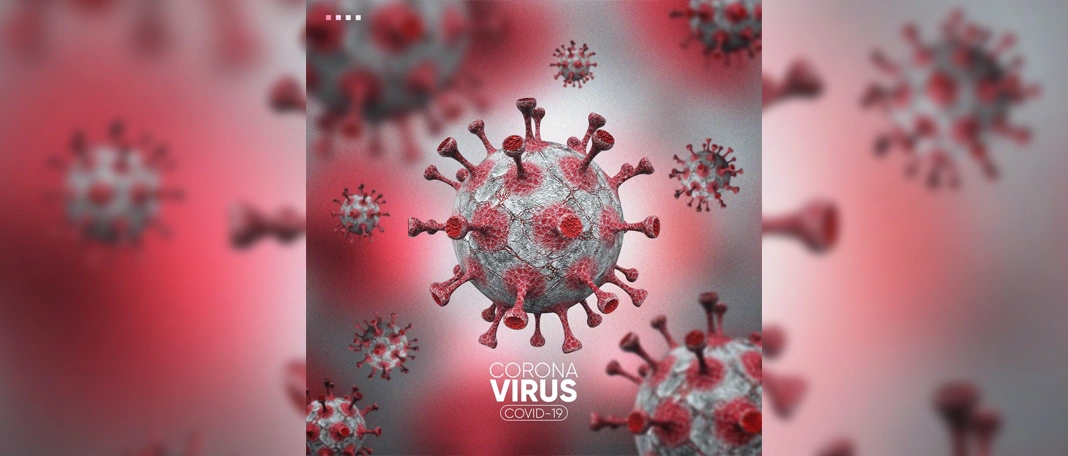
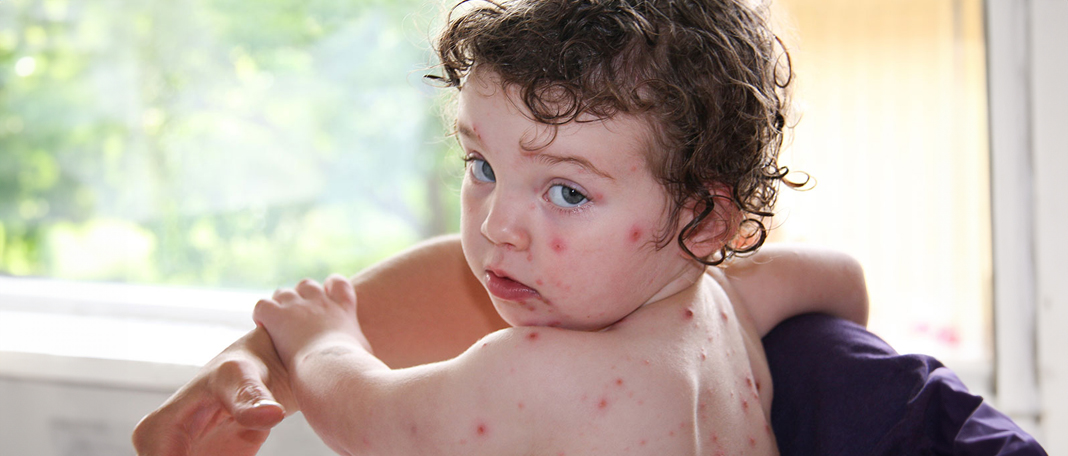
Chickenpox is a highly contagious viral infection that predominantly affects children, though adults can catch it too. Recognised by its itchy rash and red spots, it’s a common illness that many have encountered.
Chickenpox is a highly contagious viral infection that predominantly affects children, though adults can catch it too. Recognised by its itchy rash and red spots, it’s a common illness that many have encountered. Before the introduction of the vaccine in 1995, chickenpox affected about 4 million people annually in the United States, leading to over 10,000 hospitalisations and 100 to 150 deaths each year. With such significant numbers, understanding what exactly causes it, how can it be treated and how can it be prevented is important. Let’s get into the details about chickenpox, its symptoms, and treatment options.
About Chickenpox
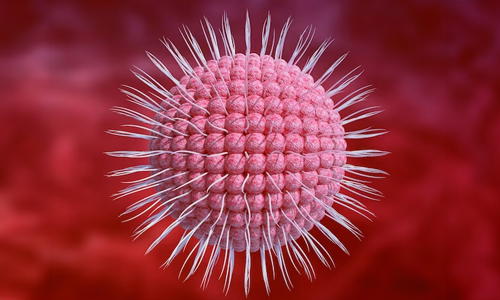
Chickenpox, caused by the varicella-zoster virus, is an infectious disease that spreads easily. While it’s often mild in children, it can lead to more severe complications in adults and those with weakened immune systems.
It spreads through:
- Direct contact with an infected person’s rash
- Inhalation of airborne droplets from coughing or sneezing
- Touching contaminated surfaces and then touching your face
Chickenpox Symptoms
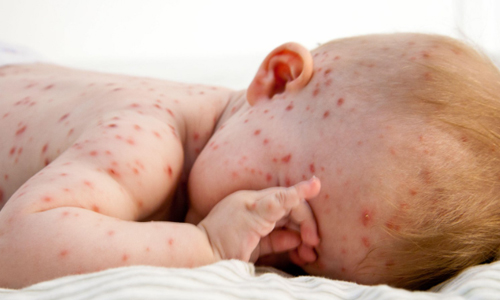
Recognising the symptoms of chickenpox early can help manage the disease more effectively and prevent its spread to others. Chickenpox symptoms usually begin mildly but can quickly progress, making it essential to know what to look for. They typically appear 10 to 21 days after exposure to the virus.
Here's a brief overview of the most common symptoms associated with chickenpox.
- Itchy red rash that turns into fluid-filled blisters
- Fever
- Fatigue
- Loss of appetite
- Headache
Chickenpox Treatment
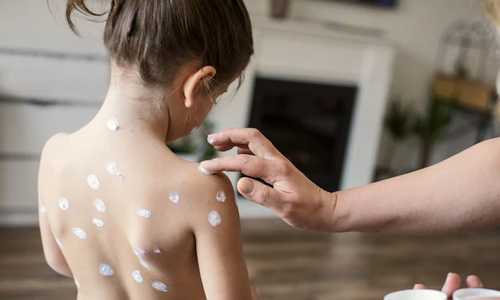
While there’s no cure for chickenpox, treatment focuses on relieving symptoms and ensuring the patient remains as comfortable as possible during the illness. Here’s a closer look at the common treatment methods:
1. Antihistamines
These are often used to manage the intense itching that accompanies chickenpox. Over-the-counter antihistamines such as diphenhydramine (Benadryl) can be effective. They work by blocking histamine, a substance in the body that causes itching. It's important to follow the dosage instructions on the package or those provided by a healthcare professional. For children, liquid forms of antihistamines are available and can be easier to administer.
2. Pain Relievers
Fever and discomfort are common symptoms of chickenpox. Acetaminophen (Tylenol) is typically recommended to help reduce fever and relieve pain. It’s crucial to avoid giving aspirin to children or teenagers with chickenpox, as it is associated with Reye’s syndrome, a rare but serious condition that causes swelling in the liver and brain. Instead, acetaminophen is a safer option that effectively manages pain and fever without the risks associated with aspirin.
3. Antiviral Medication
In more severe cases, particularly for adults, pregnant women, or individuals with weakened immune systems, antiviral medications like acyclovir may be prescribed. Acyclovir works by slowing the growth and spread of the virus, helping to reduce the severity and duration of symptoms. It is most effective when started within 24 hours of the onset of the rash. Another antiviral option is valacyclovir, which is converted into acyclovir in the body and has similar effects. These medications can help prevent complications and promote faster recovery.
By using these treatments, you can manage chickenpox symptoms more effectively and make the illness more bearable. Always consult with a healthcare professional before starting any medication to ensure it is appropriate for your specific situation.
How to Take Care When Affected
If you or your child has chickenpox, here’s how to manage the symptoms and speed up recovery:
1. Ensure Plenty of Rest
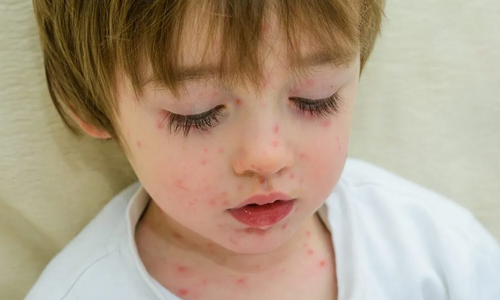
Rest is crucial when battling chickenpox. The body's immune system is working hard to fight off the varicella-zoster virus, and adequate rest helps bolster this effort. Ensure that the affected person gets plenty of sleep and avoids strenuous activities. Creating a calm, quiet environment can help facilitate better rest and quicker recovery. For children, it might be helpful to set up a cozy resting area with their favourite books and quiet activities to keep them occupied without overexertion.
2. Drink Plenty of Fluids
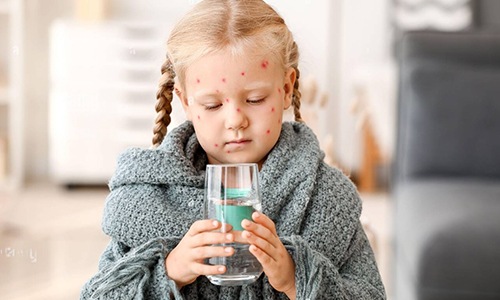
Staying hydrated is vital when dealing with chickenpox. Fever and loss of appetite are common symptoms that can lead to dehydration. Encourage the affected person to drink plenty of fluids, such as water, herbal teas, and clear broths. Electrolyte solutions or oral re hydration salts can also be beneficial, especially if the fever is causing significant fluid loss. Avoid sugary drinks and caffeine as they can dehydrate the body further.
3. Wear Loose, Comfortable Clothing
Tight or rough fabrics can irritate the skin and exacerbate itching. Opt for soft, breathable materials like cotton that allow the skin to breathe and reduce friction against the rash. Additionally, keeping the affected area cool can help soothe the skin. Ensure the room temperature is comfortable and consider using fans to maintain a gentle airflow.
4. Itch Relief
Itching can be one of the most bothersome symptoms of chickenpox. To manage this, you can use several methods:
1. Calamine Lotion
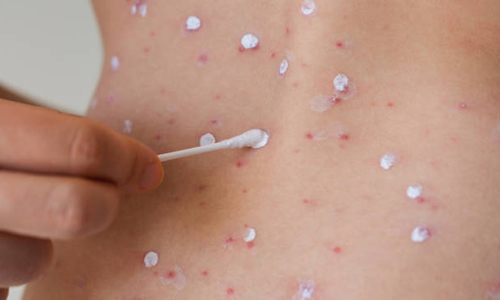
Applying calamine lotion to the rash can provide a cooling effect and reduce itching. Dab it gently on the affected areas using a cotton ball.
2. Oatmeal Baths

Adding colloidal oatmeal to a lukewarm bath can soothe the skin and reduce itching. Ensure the water is not too hot, as heat can intensify itching. After the bath, pat the skin dry gently with a soft towel.
Avoid Scratching
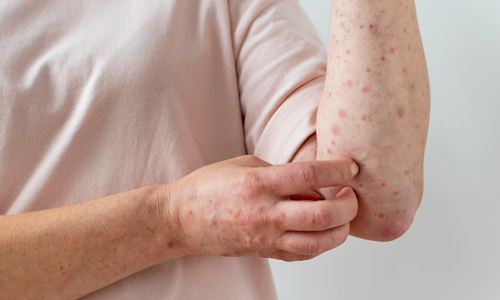
Scratching can lead to skin infections and scarring. To prevent this, keep the nails of the affected person trimmed short. For young children, consider putting soft mittens or socks over their hands, especially at night when scratching can occur unconsciously. Distracting the affected person with engaging activities can also help keep their mind off the itch. For example, older children might enjoy watching movies or playing quiet games, while younger children might be soothed by story time or gentle music.
By following these detailed care steps, you can help manage the symptoms of chickenpox and support a smoother, more comfortable recovery process.
How Long Does It Last?
Chickenpox generally lasts about 5 to 10 days. The rash progresses through stages: red spots, fluid-filled blisters, and then crusting over into scabs. Once all the blisters have scabbed over, the person is no longer contagious.
Will It Spread?
Yes, chickenpox is highly contagious. It can spread to others from 1 to 2 days before the rash appears and until all the blisters have formed scabs. It's important to avoid contact with vulnerable individuals, such as pregnant women, newborns, and those with weakened immune systems.
How to Prevent Ourselves from Chickenpox?
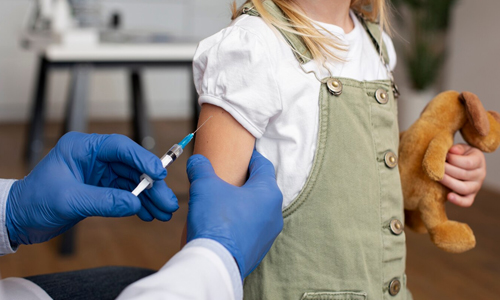
The most effective way to prevent chickenpox is through vaccination with the varicella vaccine. Here’s what you need to know:
Children: The varicella vaccine is recommended for all children and is usually given in two doses. The first dose is typically administered between 12 and 15 months of age, and the second dose is between 4 and 6 years old.
If an adult has never had chickenpox and is exposed to the virus or at risk of contracting it, vaccination can still be beneficial. Here’s how it typically works:
Post-Exposure: If an adult is exposed to chickenpox and is not immune (never had chickenpox or vaccination), the vaccine can be given within 3 to 5 days of exposure to potentially reduce the severity of the illness or prevent it altogether.
Two Doses: The varicella vaccine for adults is generally administered in two doses, spaced 4 to 8 weeks apart. This schedule helps ensure immunity against chickenpox.
Impact of the US Chickenpox Vaccination Program
The introduction of the chickenpox vaccine in the US has significantly reduced the incidence of the disease. According to the CDC, the vaccination program has led to a substantial decrease in chickenpox cases, hospitalisations, and related complications.
- Chickenpox cases have decreased by over 97%.
- Hospitalisation due to chickenpox have dropped by 84%.
- Deaths from chickenpox have decreased by 87%.
Today, fewer than 150,000 cases occur each year, with significant reductions in hospitalisations and deaths.
FAQs About Chickenpox
Q1. Should I intentionally allow my kid to get chickenpox?
No, intentionally exposing your child to chickenpox—often referred to as "chickenpox parties"—is strongly discouraged by health experts. While the illness is usually mild in children, it can lead to serious complications such as pneumonia, skin infections, and encephalitis. Vaccination is a much safer way to build immunity without the risks of the actual disease.
Q2. Can you get chickenpox more than once?
It's rare, but possible. Most people develop lifelong immunity after one infection. However, in very rare cases—especially if the first infection was extremely mild—a second episode may occur.
Q3. What age is most affected by chickenpox?
Children under 12 are most commonly affected, but anyone who hasn’t had the disease or been vaccinated is at risk, including teens and adults—who often experience more severe symptoms.
Q4. Is chickenpox dangerous for pregnant women?
Yes, chickenpox during pregnancy can pose serious risks to both the mother and baby. It can lead to birth defects, low birth weight, or even miscarriage. Pregnant women who are not immune should avoid exposure and consult their doctor immediately if exposed.
Q5. Can the chickenpox virus come back later in life?
Yes. The varicella-zoster virus can remain dormant in the body and reactivate later in life as shingles (herpes zoster)—a painful skin rash. This is more common in older adults and people with weakened immune systems.
Q6. What should I do if my child has been exposed to chickenpox?
If your child is vaccinated, they are likely protected. If not, contact your pediatrician immediately. In some cases, getting the vaccine within 3 to 5 days of exposure may help prevent the disease or lessen its severity.
Q7. Can adults get vaccinated for chickenpox?
Yes. Adults who haven’t had chickenpox or the vaccine should consider getting vaccinated, especially if they are in high-risk professions like healthcare or are around young children.
Stay Ahead of Chickenpox!
Chickenpox is a common yet preventable disease. Understanding its symptoms, how it spreads, and how to treat it can help you manage the illness effectively. Remember, the key to preventing chickenpox is vaccination, By ensuring you and your family members are vaccinated, you not only protect yourselves but also contribute to community immunity, reducing the overall spread of the virus. Stay informed, stay healthy, and prioritise vaccination against chickenpox!