
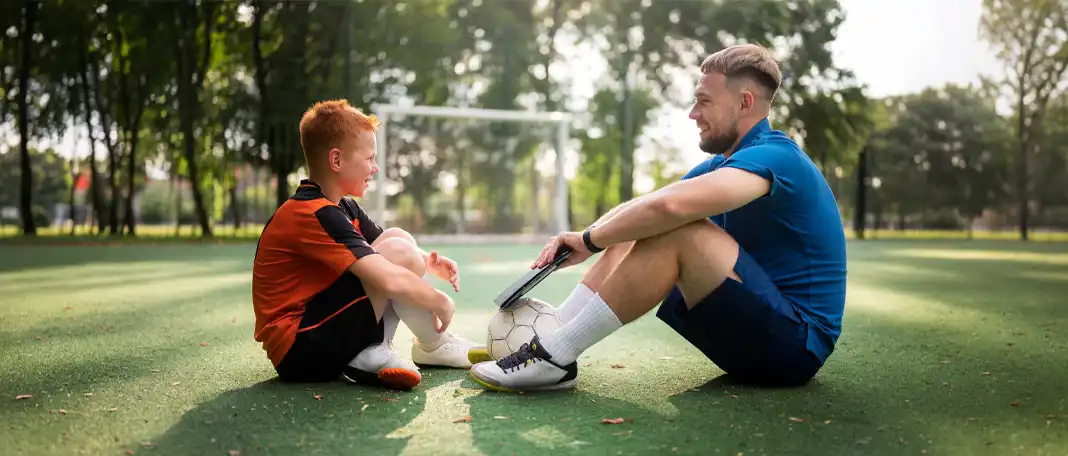
Preventing sports injuries in kids starts with proper warm-ups, age-appropriate training, protective gear, adequate rest, and healthy lifestyle habits. Parents and coaches can significantly reduce injury risks by encouraging safe sports practices and paying attention to early warning signs.
Watching your child step onto the field, court, or track brings a unique mix of pride and nervous excitement. Youth sports are incredible for building confidence, making friends, and establishing lifelong fitness habits. However, as any sports parent knows, that excitement often comes with the occasional scraped knee, bruised shin, or worse. The reality of youth athletics involves a real risk of physical accidents. If you want to keep your young athlete active, happy, and out of the emergency room, focusing on preventing sports injuries must be part of your game plan.
Recent clinical research reveals that sports injuries stand as a primary cause of physical trauma among children and teenagers. The good news is that a substantial portion of these injuries stem from highly preventable circumstances, like poor training habits, skipping warm-ups, or using worn-out gear. By taking a proactive approach, you can significantly lower your child's risk of getting sidelined.
Let's dive into five evidence-based ways to protect your kids while keeping the game fun.
1. Start Every Practice with a Proper Warm-Up
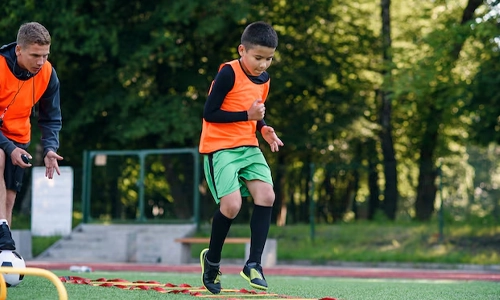
Many kids arrive at practice, drop their bags, and sprint straight into a scrimmage. However, sending cold muscles into explosive action is a recipe for strains, sprains, and tears. A warmed-up muscle stretches and absorbs impact much better than a rigid, cold one. While youth sports offer incredible benefits for development, the close relationship between sports and injuries means parents must actively manage the underlying physical risks.
A comprehensive meta-analysis evaluating more than 21,500 young athletes proved that structured warm-up exercise programs cut total sports injuries by roughly 36%. The most effective routines do not just involve static stretching; instead, they focus on active movements that improve balance, strength, and neuromuscular control. Coaches who master how to reduce injuries during practice focus heavily on proactive movement prep rather than just standard static stretching.
Action Plan for a Safe Warm-Up
Encourage your child’s coach to dedicate the first 15 minutes of every practice to an active warm-up. If the team skips this step, you can guide your child through a quick routine before they leave the car. A strong active warm-up should feature:
- Light Cardio: 3 to 5 minutes of jogging or skipping to raise the heart rate and boost blood flow to skeletal muscles.
- Dynamic Stretches: High knees, butt kicks, walking lunges, and arm circles to move joints through their full range of motion.
- Neuromuscular Drills: Lateral shuffles, light jumping jacks, or single-leg balancing to prepare the brain-to-muscle connection for quick pivots.
2. Avoid Overtraining Young Athletes
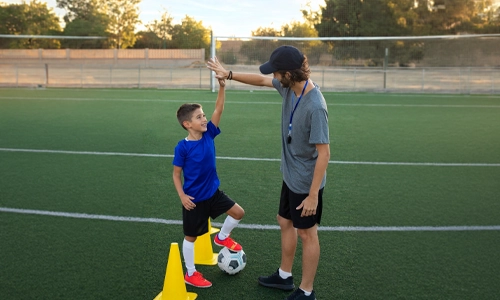
More is not always better when it comes to youth sports. With the rise of year-round club teams and intense tournament schedules, young athletes face immense physical demands. When training volume outpaces a child's developmental capacity, structural failures and chronic pain usually follow.
Epidemiological research tracking adolescent sports injuries shows that higher injury rates connect directly to a greater number of practice hours per week and unmanaged training loads. For example, a prospective 52-week study found that nearly half of the young track-and-field athletes suffered a new injury over the year, with a staggering 90% of those cases classified as overuse injuries. The study identified a sharp increase in injury risk for children training heavily, especially when pairing high training hours with technical gear like track spikes.
Understanding Injury Risk Factors
To help you visualize where the risks lie, consider these critical factors identified by sports medicine researchers.
| Risk Category | Key Statistical Insights & Findings | Prevention Takeaway |
| Weekly Training Volume | Injury rates jump significantly when a child trains 10 or more hours per week | Keep training hours below your child's age in years per week. |
| Match vs. Practice | Match injury rates can be up to 10 times higher than training injury rates due to competitive stress and intense contact | Ensure adequate rest days following highly competitive tournament weekends. |
| Sex-Based Differences | Young female athletes experience significantly higher rates of joint and ligament issues, including non-contact ankle and ACL sprains, compared to males | Incorporate targeted ACL and ankle-stabilization exercises into training. |
| Equipment & Facilities | Broken, uninspected gear or poorly lit, unventilated facilities with poor flooring drastically spike injury rates | Regularly inspect fields and personal safety gear for wear and tear. |
3. Prioritize Proper Safety Gear and Facilities

Safety gear only works if it fits properly. It is designed for the specific sport, and is maintained in good condition. Cutting corners on protective equipment places your child at a much higher risk for acute, traumatic injuries like fractures and concussions. Being prepared with the right treatment for sports injuries ensures a smooth recovery if an accident happens, but consistent prevention keeps your kid on the field and out of the clinic.
In youth contact sports like ice hockey, strict protective gear guidelines and league rules save lives and prevent life-altering trauma. Clinical data reveals that wearing full-face protection associates with a fourfold reduction in facial and dental injuries. Furthermore, using uninspected or damaged sports gear significantly correlates with an increased incidence and severity of injuries.
How to Audit Your Child's Gear and Playing Environment
Parents must act as the ultimate safety inspectors. Do not assume the league-provided equipment is flawless or that the playing field is entirely safe.
- Check Fit and Lifespan: Helmets must fit snugly without rocking, and shin guards should cover the entire lower leg. Replace running shoes and cleats every 300 to 500 miles, or as soon as the tread wears smooth.
- Enforce Sport-Specific Rules: If your child plays soccer, make sure they wear shin guards to every practice, not just games. If they play baseball, softball, or hockey, verify that their face shields and helmets meet current safety certification standards.
- Inspect the Playing Surface: Before letting your child play on a school playground or town field, check for hidden hazards. Look out for unpadded goalposts, uneven turf, deep potholes, or hard, non-standardized concrete surfaces that lack proper shock absorption.
4. Encourage Kids to Play Different Sports
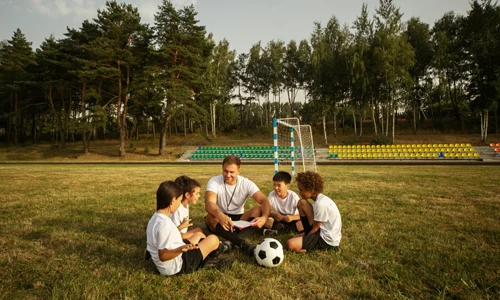
Decades ago, kids played football in the fall, basketball in the winter, and baseball in the spring. Today, many children specialize in a single sport by age seven, playing it all year round. This repetitive physical stress continuously taxes the exact same muscle groups, tendons, and growth plates without giving them time to heal. While the immediate medical management of sports injuries is crucial after an accident, catching early warning signs like lingering joint pain can prevent minor tissue damage from turning into a severe tear.
A large-scale systematic review highlighted that overuse injuries dominate youth sports, particularly when children repeat identical athletic techniques without variation. For instance, young baseball pitchers frequently face shoulder and elbow issues from repetitive throwing, while young runners suffer from quadriceps and patellar tendonitis. Medical experts strongly advise against year-round single-sport specialization for children.
The Power of Cross-Training
Encouraging your child to play multiple sports builds a more versatile, resilient athlete.
- Vary the Movements: Swimming builds upper-body endurance and lung capacity without putting stress on the joints, making it a great countermeasure for a kid who runs track or plays soccer.
- Enforce Mandatory Time Off: Ensure your child takes at least one to two days off per week from all organized sports. Additionally, pediatricians recommend taking a combined total of three months off throughout the year from any single sport to allow growth plates to heal.
- Listen to Grumbling Joints: Children often shrug off pain because they want to keep playing. If your child complains of a persistent ache in their knee, heel, or shoulder that lingers long after the game ends, do not tell them to "tough it out." Treat it as an early warning sign of an overuse injury and consult a healthcare professional.
5. Don't Ignore Sleep, Stress, and Recovery
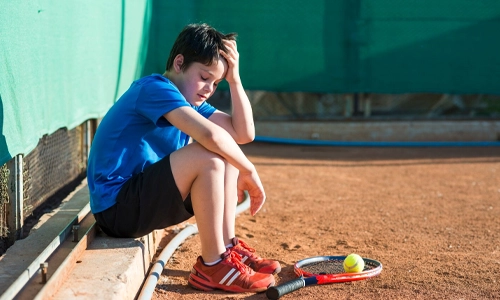
We frequently focus on what happens during the game, but a child's safety on the field depends heavily on what happens off the field. A fatigued, stressed, or poorly fueled child lacks the focus, reaction time, and muscle control needed to dodge an oncoming defender or land safely from a jump.
Advanced predictive machine learning models using SHAP (Shapley Additive Explanations) analysis have identified psychological stress levels, sleep duration, and balance ability as top predictors of sports injuries. High stress levels correlate with a higher risk of injury, while getting enough sleep and maintaining nutritional quality exert strong protective effects. Furthermore, high levels of competitive stress—often driven by pressure from family members, coaches, or self-imposed expectations—heighten physical tension and lower spatial awareness, leaving young athletes much more vulnerable to accidents.
Cultivating a Healthier Foundation
Optimizing your child's lifestyle habits forms a powerful protective shield against physical harm.
- Enforce a Strict Sleep Schedule: School-aged children and teens need between 8 and 10 hours of sleep per night. Sleep deprivation dramatically slows visual reaction times and degrades motor coordination, making a tired athlete a vulnerable athlete.
- Keep Hydration and Nutrition Ahead of Training: High-intensity exercise demands reliable fuel. Going into a game dehydrated or calorie-deficient spikes fatigue early on, which can lead to sloppy technique and sudden injuries. Ensure they drink water throughout the day, not just when they feel thirsty on the bench.
- Lower the Competitive Temperature: Keep the dialogue focused on effort, sportsmanship, and fun rather than winning or tracking statistics. Teach your child psychological skills like positive self-talk and stress-management breathing techniques. When a child plays with a clear, relaxed mind, they stay highly aware of their surroundings and can react quickly to avoid dangerous collisions.
Keeping the Game Fun and Safe
At the end of the day, we cannot wrap our young athletes in bubble wrap, nor should we. The bumps, bruises, and competitive lessons learned on the field help them grow into strong, resilient individuals. However, by turning these five research-backed strategies into daily habits—embracing structured warm-ups, tracking training hours, upgrading safety gear, avoiding early sport specialization, and prioritizing sleep—you actively protect your child from major injuries.
Take a close look at your child's weekly sports schedule, check the condition of their equipment, and talk openly with their coaches. When parents and coaches work together to model how to avoid injuries, we build healthier, more confident athletes who can play safely for years to come. Your proactive care off the field ensures they can enjoy every single moment on it.
Frequently Asked Questions
What is the most common sports injury in children?
Sprains, strains, knee injuries, and overuse injuries are among the most common sports injuries in children.
How can parents help prevent sports injuries?
Parents can encourage proper warm-ups, ensure children wear safety gear, avoid overtraining, and support healthy sleep and nutrition habits.
How much rest do young athletes need?
Experts recommend at least one or two rest days per week and regular breaks from a single sport throughout the year.
When should a sports injury be checked by a doctor?
Seek medical advice if pain persists, swelling increases, movement becomes difficult, or the injury affects daily activities.
References
[1] Gavin, M. L. (n.d.). 5 Ways to Avoid Sports Injuries (for Kids). Kids Health.
[2] 10 Tips for Preventing Sports Injuries in Kids and Teens. (n.d.). Johns Hopkins Medicine.
[3] Ward, T. (n.d.). A Guide to Safety for Young Athletes - OrthoInfo. OrthoInfo.