
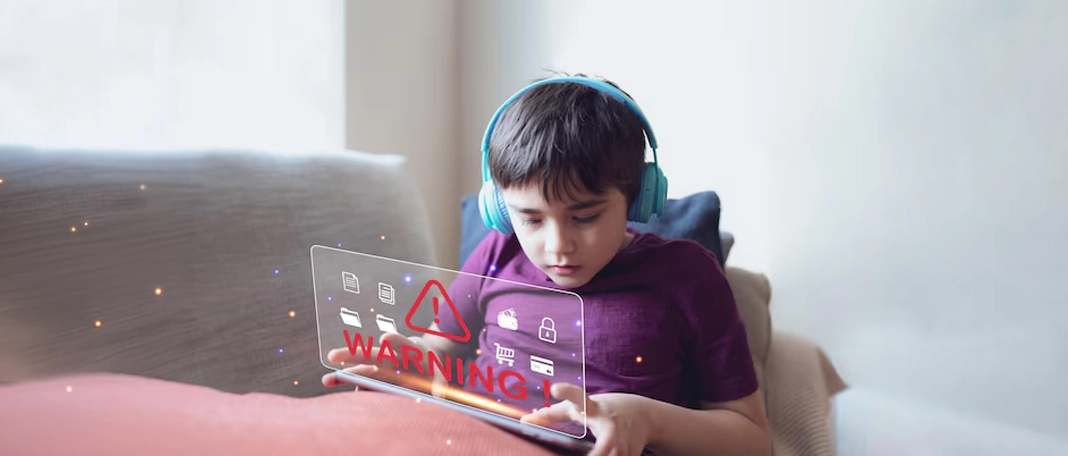
Every parent wants their child to feel safe, both offline and online. But with kids spending more time on smartphones, social media, and gaming platforms than ever before, knowing how to prevent cyberbullying has become one of the most important parenting skills of our era.
To prevent cyberbullying, parents should maintain open communication, teach children how to block and report harmful behavior, use privacy settings, encourage healthy screen habits, and seek support from schools when necessary. Early intervention and emotional support are key to protecting children online.
Cyberbullying — harassment, threats, rumors, or humiliation carried out through digital devices — does not stop at the school gate. It follows your child home, into their bedroom, and even onto their screen at 2 a.m. The good news? You can take real, meaningful steps to protect your child. This guide offers you tips to prevent cyberbullying and walks you through everything you need to know, from spotting the warning signs early to building a safer digital environment at home.
Understand What is Cyberbullying

Before you can protect your child, you need to know what you are dealing with. Cyberbullying goes far beyond a mean text message. According to UNICEF, it includes spreading false rumors on social media, sending threatening or abusive messages, sharing embarrassing photos or videos without permission, and impersonating someone through fake accounts to cause harm.
It is also worth knowing that cyberbullying often happens alongside face-to-face bullying — they tend to reinforce each other. And unlike playground bullying, digital harassment leaves a trail. Screenshots and saved messages can serve as powerful evidence if you ever need to report an incident.
Common Forms Include:
- Offensive name-calling (the most widespread type)
- Spreading lies or false rumors online
- Sending unsolicited explicit or threatening images
- Exclusion from online group chats or gaming communities
- Doxxing — sharing someone's private information publicly
- Impersonation via fake accounts or hacked profiles
Know the Warning Signs Your Child May Be a Victim
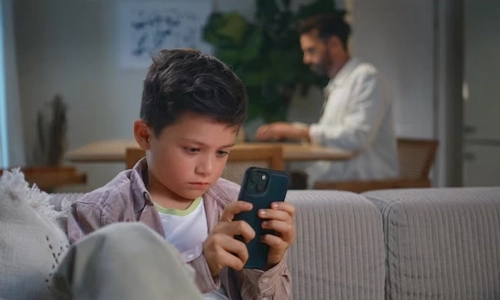
Many children who experience internet bullying choose not to tell an adult. They often fear their devices will be taken away, or they feel ashamed. According to KidsHealth by Nemours, kids may struggle to concentrate in school and feel they can never escape the harassment. As a parent, watch for these behavioral changes:
- Sudden withdrawal from devices — or, conversely, obsessive checking
- Avoiding school or social activities they previously enjoyed
- Unexplained emotional distress after time online
- Becoming secretive about their digital activity
- Changes in mood, sleep patterns, or eating habits
- Reluctance to discuss what they are doing online
If you notice a cluster of these signs, open the door gently. Ask non-judgmental questions, and make it clear you are on their side — not looking for reasons to restrict their screen time.
How to Prevent Cyberbullying Through Open, Ongoing Conversations

One of the most effective tools in the prevention of cyberbullying is simple: talk. KPMG's digital safety experts stress that parents must maintain regular, open communication with their children about what they are experiencing online. These conversations should not be one-off lectures — they need to be ongoing check-ins woven into daily life.
Start early, before problems arise. Ask your child which apps they use, who they talk to, and what the "vibe" is in their online communities. Let them know they can come to you without facing punishment. When they do open up, listen first. Resist the urge to immediately confiscate devices — that reaction teaches kids to stay silent next time.
Key Statistics About Cyberbullying at a Glance
The cyberbullying rate is predicted over 60% of teenagers, yet most victims keep the harassment hidden from parents or teachers.The crisis significantly impacts mental health, increasing the risk of anxiety, depression, and self-harm among youth.
| Statistics | Source |
| 46% of US teens aged 13–17 have been bullied or harassed online | Pew Research Center, 2022 |
| 26.5% of US teens reported cyberbullying in the prior 30 days (2023), up from 16.7% in 2016 | Cyberbullying Research Center |
| 93% of cyberbullying victims report some negative mental health outcome | Avast Research |
| 67% of teens say cyberbullying is a major problem for their peers | Pew Research Center, 2024 |
| Girls (73%) are more likely to be targeted online than boys (56%) | SQ Magazine, 2026 |
| LGBTQ+ students are nearly twice as likely to be electronically bullied | CDC Youth Risk Behavior Survey, 2024 |
| 1 in 3 young people in 30 countries say they have been victims of online bullying | UNICEF, 2019 |
| Cyberbullying increases suicidal thinking among victims by nearly 15% | Avast Research |
Teach Your Child to Block, Report, and Save Evidence

Empower your child with cyberbullying facts and a clear action plan for if they are ever targeted. The three-step response most experts recommend is: block, report, and save.
Block: Immediately block anyone who sends threatening, hurtful, or inappropriate messages. Most platforms — Instagram, TikTok, Snapchat, Roblox — have built-in blocking tools that are quick and effective.
Report: Every major social media platform has community guidelines and abuse-reporting features. Work through the reporting process with your child so it does not feel overwhelming.
Save: Encourage your child to take screenshots of any bullying behavior before blocking. This creates a record that can be shared with school staff, platform moderators, or law enforcement if necessary.
Critically, advise your child never to respond to cyberbullies. As KPMG's guidelines note, a reaction is exactly what bullies want. Engaging only escalates the situation.
Set Up Privacy Settings on Every Device and Platform

Many parents are unaware just how public their child's online profile can be by default. Walk through the privacy settings on every app and platform your child uses. Switch accounts to private, limit who can comment on their posts, restrict who can send them direct messages, and turn off location-sharing features.
On most platforms, you can prevent strangers from finding your child's account through phone number or email searches. Take five minutes to enable these protections — it makes a significant difference. Kaspersky's online safety guides also recommend using parental control apps that let you monitor activity, set screen time limits, and filter inappropriate content without being intrusive.
Establish Healthy Screen Time and Device-Free Zones

Structure helps. When children have clear boundaries around device use, they are less likely to end up in unsupervised online situations late at night — which is precisely when cyberbullying tends to escalate. Some practical approaches to healthy screen time:
- Keep devices out of bedrooms at night
- Establish a family charging station in a shared room
- Set agreed screen-time limits, especially on school nights
- Encourage offline hobbies, sports, and in-person socializing
Chubb's child safety resources highlight that maintaining offline relationships is one of the strongest protective factors against the psychological impact of cyberbullying. Children who have strong real-world friendships and support networks tend to be more resilient when they encounter online cruelty.
Involve the School — You Do Not Have to Handle This Alone

If your child tells you they are being bullied online by a classmate, involve the school right away. Many schools now have anti-cyberbullying policies and dedicated counselors trained to handle these situations. Before you report, talk with your child and agree on a plan so they feel part of the process rather than having something done to them without their input.
Keep a record of everything — dates, screenshots, and the names of any relevant accounts. This documentation strengthens your case and makes it easier for school staff to take action. In severe or persistent cases, cyberbullying in school may qualify as a legal matter, and law enforcement can be brought in.
Encourage Your Child to Be an Upstander, Not a Bystander

One of the most powerful shifts you can make in your household is to raise a child who speaks up for others online, not just themselves. KPMG describes this as the difference between being a bystander — someone who sees bullying and does nothing — and an upstander — someone who steps in, shows solidarity, or reports the behavior.
Teach your child that staying silent when a peer is being harassed is not neutral. It can feel to the victim like everyone is against them. Even a simple supportive message — "That was not okay, I'm here for you" — can make a huge difference to someone who feels isolated.
Take Your Child's Mental Health Seriously
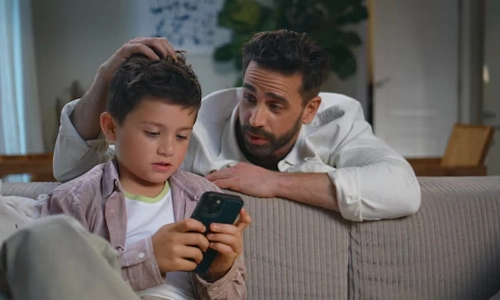
Cyberbullying is not just unpleasant — it carries documented mental health consequences. A 2024 systematic review published in PLOS Mental Health, analyzing nearly 30,000 students, found that depression was significantly associated with cybervictimization in the majority of studies reviewed, with anxiety and suicidal behavior also strongly linked.
If your child is struggling emotionally in the wake of online harassment, do not dismiss it. Validate their feelings, connect them with a school counselor or mental health professional, and keep checking in. Children and young people under 25 who experience cyberbullying are more than twice as likely to self-harm, making early intervention genuinely life-saving. Remind your child: being bullied is never their fault.
Model Respectful Online Behavior Yourself

Children learn from watching adults. If they see you arguing aggressively on social media, mocking others in comment sections, or dismissing someone's feelings online, they absorb that behavior as normal. Be the digital role model you want them to follow. Practice kindness online, take breaks from your own devices, and talk openly about the way you navigate difficult online interactions.
When to Seek Professional Help

Not every incident of cyberbullying requires a therapist, but some do. Consider reaching out to a mental health professional if you notice any of the following warning signs:
- Your child shows persistent signs of depression, anxiety, or withdrawal
- They express hopelessness or make comments about not wanting to be here
- The bullying involves threats of physical harm, sexual content, or hate-based targeting
- The situation has affected their ability to attend school or maintain friendships
Cyberbullying is a serious public health issue — and one that is growing. But it is not inevitable, and it is not something your family has to navigate alone. By staying informed, keeping the lines of communication open, and equipping your child with practical tools and a strong sense of their own worth, you give them the best possible protection. The digital world is not going anywhere. The goal is not to keep children offline — it is to make sure they can thrive there, safely.
Frequently Asked Questions
What is cyberbullying?
Cyberbullying is bullying that takes place through digital devices such as smartphones, social media platforms, messaging apps, and gaming communities.
How can parents prevent cyberbullying?
Parents can prevent cyberbullying by maintaining open communication, teaching digital safety, monitoring privacy settings, and encouraging responsible online behavior.
What are the warning signs of cyberbullying?
Warning signs include mood changes, withdrawal from activities, secretive online behavior, anxiety, sleep disturbances, and reluctance to attend school.
Should cyberbullying be reported to schools?
Yes. If the bullying involves classmates or affects school life, parents should document evidence and inform school authorities.
References
[1] Cyberbullying: What is it and how to stop it. (n.d.). UNICEF.
[2] Cyber Crime Portal. (n.d.). Cyber Crime Portal.
[3] Internet Safety for Children: Tips to Keep Kids Safe Online. (n.d.). Kaspersky.
[4] Preparing kids to handle cyberbullying. (n.d.). KPMG International.
[5] Preventing Cyberbullying - Top Ten Tips for Teens. (n.d.). Cyberbullying.org.
[6] Protecting children from bullying and cyberbullying. (2022, February 21). NSPCC Learning.
This article is intended for informational purposes. If your child is in immediate distress, please contact a mental health professional or call a crisis helpline in your area.