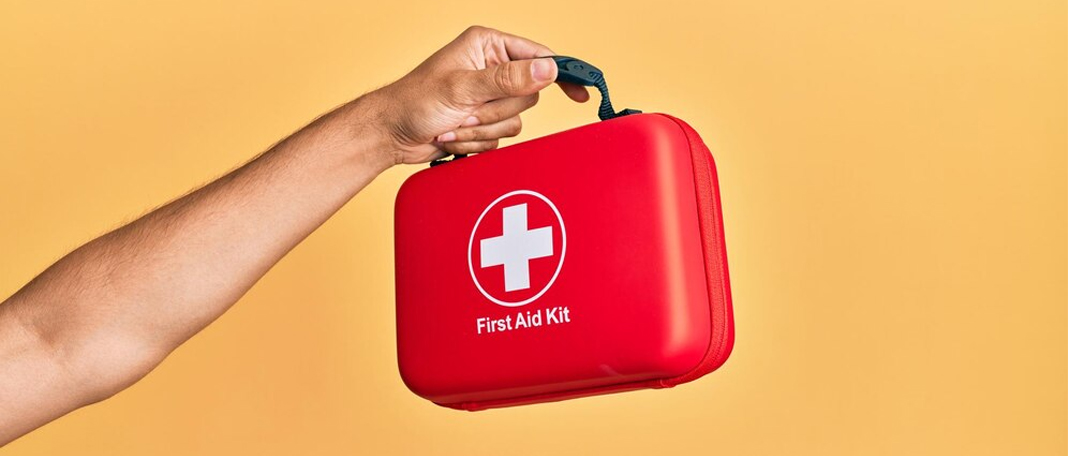
Accidents don’t give a warning, but a well-stocked first aid kit can make all the difference. Whether it's a minor cut or a sudden fever, having the right supplies at your fingertips brings peace of mind and practical help. So, what should be in your kit? Here’s a smart list of essentials everyone should have—at home, in the car, or even on a hiking trip.
1. Adhesive Bandages (Various Sizes)
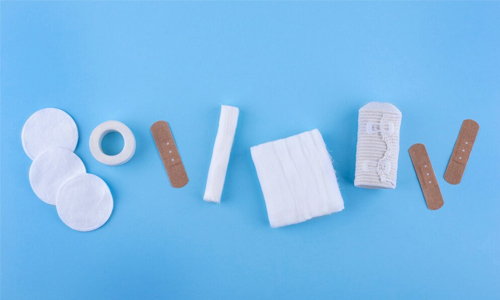
For scrapes, blisters, and small cuts, nothing works like a set of adhesive bandages. Keep different sizes handy for different injuries—from paper cuts to minor wounds.
2. Antiseptic Wipes
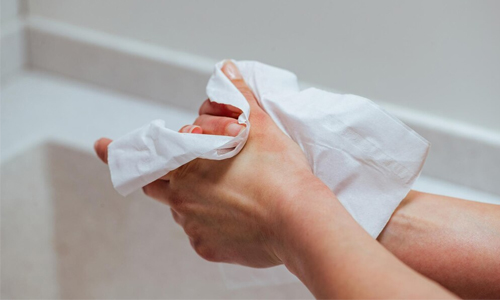
Before you slap on a bandage, clean the wound. Antiseptic wipes help prevent infection and are more convenient (and less messy) than a bottle of disinfectant.
3. Sterile Gauze Pads and Tape
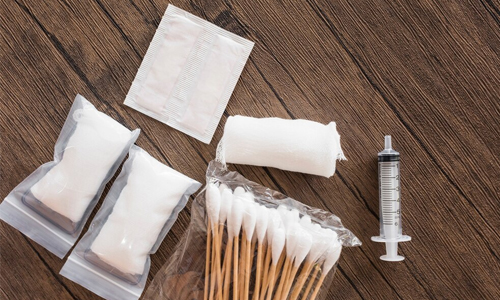
For larger cuts or wounds, gauze pads are essential. Use medical tape to secure them in place until professional help can be reached. You can even stop nosebleeds at home if you are well equipped and have basic knowledge of first aid.
4. Pain Relievers
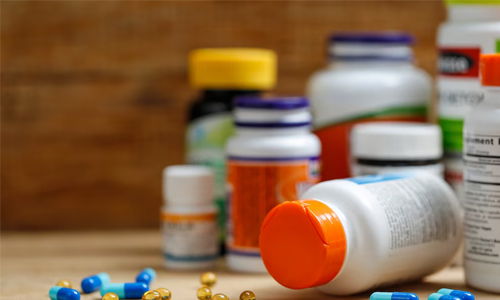
Ibuprofen, acetaminophen, or aspirin—whatever works best for your family. These are great for managing headaches, fevers, or minor aches.
5. Tweezers
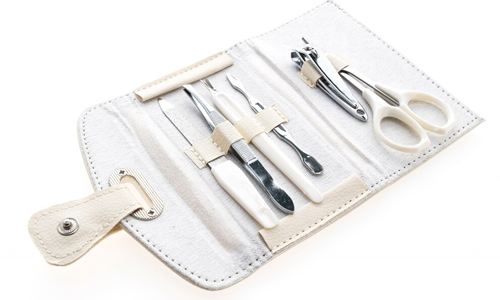
They come in handy for removing splinters, ticks, or tiny glass pieces from the skin. Opt for stainless steel tweezers—they’re easy to clean and durable.
6. Digital Thermometer
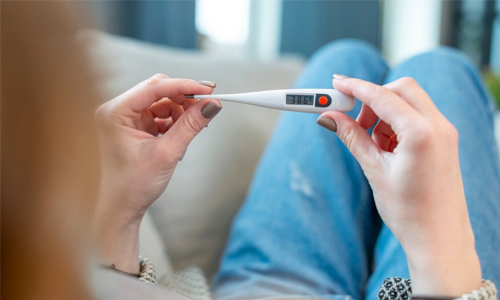
Fever is often the first sign of illness. A digital thermometer gives you a quick, accurate read—especially important when you have kids or elderly family members.
7. Instant Cold Pack
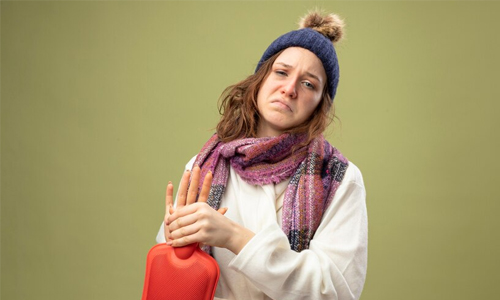
Bumps, bruises, or twisted ankles? An instant cold pack provides immediate relief and reduces swelling—no freezer required.
8. Gloves and CPR Face Shield
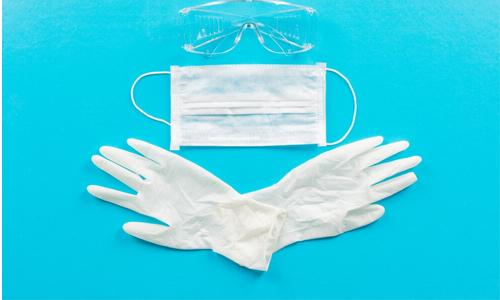
Disposable gloves protect both the injured person and the caregiver from bloodborne pathogens. A CPR face shield adds another layer of safety in emergencies.
Extra Tips
- Always check expiry dates—especially for ointments and medications.
- Customize your first aid kit for your family’s specific needs (think allergies, asthma, or diabetes supplies).
- Keep one at home, one in your car, and a mini version in your travel bag.
Being prepared doesn’t mean being paranoid—it means being smart. A good first aid kit won’t just sit in a drawer gathering dust; it’s your first response to the unexpected.