
If you've ever wondered whether the pain of betrayal is "all in your head," science has a clear answer: it's not. Recent research reveals that infidelity in a marriage doesn't just break hearts, but it can seriously impact your physical and mental health in ways that last for years.
Let's explore what really happens to your body and mind when trust is shattered, and more importantly, how you can heal.
What Is Infidelity, Really?

Infidelity explained simply: it's any breach of the commitment and trust that defines your relationship. This isn't just about physical cheating. Modern relationships face many forms of unfaithfulness in marriage, including emotional affairs, online relationships, and secret communications that violate your agreed-upon boundaries.
The key isn't necessarily the specific action—it's the violation of trust and commitment that you and your partner established together.
The Shocking Health Impact of Infidelity
How Infidelity Affects Women's Health

Research shows that women often experience more severe health consequences from infidelity than previously understood. Here's what studies reveal about how infidelity affects a woman:
Mental Health Effects:
- Increased risk of depression and anxiety disorders
- Post-traumatic stress symptoms that mirror those seen in other trauma survivors
- Persistent feelings of worthlessness and self-blame
- Difficulty concentrating and making decisions
Physical Health Consequences: What does cheating do to a woman physically? The effects are more extensive than you might think. Recent 2024 research found that being cheated on creates lasting physical health problems, including:
- Higher rates of chronic health conditions
- Compromised immune system function
- Sleep disorders and chronic fatigue
- Digestive issues and appetite changes
- Increased risk of cardiovascular problems
The Male Experience: Psychological Facts About Cheating Men

While research shows men and women both suffer from betrayal, psychological facts about cheating reveal interesting patterns about how men typically respond:
- Men often internalize blame differently, sometimes becoming more aggressive or withdrawn
- They may experience what researchers call "wounded masculinity," affecting self-esteem
- Physical symptoms in men often manifest as stress-related conditions, like high blood pressure
- Recovery patterns tend to focus more on rebuilding control and security
Psychology Facts About Cheating: What Science Tells Us

Here are some fascinating psychology facts about cheating that might surprise you:
1. Betrayal Trauma Is Real
Your brain literally processes infidelity similarly to other traumatic events. The same neural pathways that activate during physical danger light up when we discover a partner's betrayal.
2. It Changes Your Brain Chemistry
Studies show that betrayal affects neurotransmitter levels, particularly serotonin and dopamine, which explains why depression and anxiety are so common after infidelity.
3. Trust Issues Have a Physical Component
The stress of broken trust triggers your body's fight-or-flight response repeatedly, leading to chronic inflammation and weakened immunity.
4. Recovery Isn't Linear
Research on facts about infidelity in marriage shows that healing happens in waves, not a straight line. Good days and bad days are completely normal.
5. Social Support Matters—But Not Always Enough
While friends and family help, recent studies show that for some groups, particularly those with lower incomes, the health effects persist even with strong social support.
Is Infidelity Abuse? Understanding the Impact

The question "is infidelity abuse?" is complex. While not all forms of cheating constitute abuse, infidelity can be considered emotional abuse when it involves:
- Deliberate deception over extended periods
- Gaslighting or making you question your reality
- Exposing you to health risks without your knowledge
- Using infidelity as a weapon to hurt or control you
The trauma symptoms many people experience suggest that the psychological impact can be as severe as other forms of emotional abuse.
Marriage and Infidelity: The Path Forward
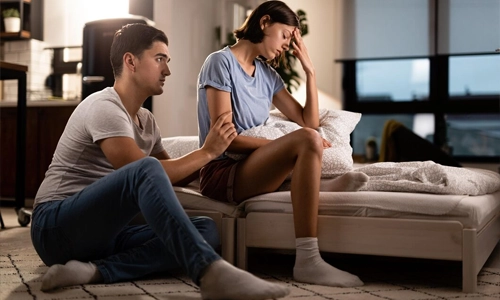
Understanding Why Infidelity Happens
Marriage and infidelity research shows several common factors:
- Unmet emotional needs in the relationship
- Poor communication patterns
- Life transitions and stress
- Individual factors like attachment styles or past trauma
- Opportunity and circumstance
Understanding these doesn't excuse the behavior, but it can help in deciding how to move forward.
Signs Your Health Is Being Affected
If you're dealing with marriage and cheating, watch for these health warning signs:
Immediate Effects:
- Trouble sleeping or nightmares
- Loss of appetite or emotional eating
- Frequent headaches or muscle tension
- Feeling constantly on edge or hypervigilant
Longer-term Concerns:
- Persistent sadness or hopelessness
- Panic attacks or severe anxiety
- Social withdrawal and isolation
- Physical symptoms with no clear medical cause
Recovery: Healing Your Health After Infidelity

Step 1: Prioritize Your Physical Health
Your body has been through trauma. Focus on:
- Maintaining regular sleep schedules
- Eating nutritious meals even when appetite is low
- Gentle exercise like walking or yoga
- Staying hydrated and limiting alcohol
Step 2: Address Mental Health Immediately
Don't wait for symptoms to worsen. Consider:
- Individual therapy with a trauma-informed therapist
- Support groups for betrayal trauma
- Mindfulness practices to manage anxiety
- Journaling to process emotions
Step 3: Rebuild Your Support System
Isolation worsens health effects. Reconnect with:
- Trusted friends and family members
- Professional counselors
- Support communities (online or in-person)
- Healthcare providers who understand trauma
Step 4: Make Informed Decisions About Your Marriage
Whether you choose to work on your relationship or end it, make sure you're:
- Not making decisions from a place of crisis
- Getting professional guidance
- Considering your long-term health and wellbeing
- Setting clear boundaries for moving forward
Frequently Asked Questions

How long do the health effects of infidelity last?
Research suggests that without proper support and treatment, the mental and physical health effects can persist for years. However, with appropriate care, many people see significant improvement within 6-12 months.
Can a marriage survive infidelity?
Studies show that while infidelity is a factor in 57% of divorces, many marriages do survive and even become stronger. Success depends on both partners' commitment to the healing process and often requires professional help.
Is it normal to feel physically sick after discovering infidelity?
Absolutely. Nausea, headaches, chest pain, and other physical symptoms are common and normal responses to betrayal trauma. Your nervous system is responding to a perceived threat.
How does infidelity affect children?
Children in families affected by infidelity may experience anxiety, depression, and trust issues. However, how parents handle the situation and their own healing significantly impacts children's long-term well-being.
Should I tell my partner I cheated?
While honesty is generally important for relationship health, this decision should ideally be made with guidance from a therapist who can help you understand the potential consequences and prepare for the conversation.
Infidelity in marriage creates real, measurable effects on your health—and recognizing this isn't being dramatic or weak. It's being realistic about the science of betrayal trauma.
The good news? Your body and mind have an incredible capacity to heal when given proper support. Whether your marriage survives or not, you can recover your health, rebuild your trust in yourself and others, and create a fulfilling life moving forward.
Remember: seeking help isn't giving up on your relationship—it's investing in your health and your future, regardless of what that future looks like.
If you're experiencing thoughts of self-harm or are in crisis, please reach out to a mental health professional or crisis hotline immediately. Your life and well-being matter.