

Dreaming is a fascinating and mysterious part of our lives. Imagine being aware that you're dreaming, having the ability to control your dream, and shaping the experience however you like. This phenomenon is called lucid dreaming—and it’s a concept that has captivated minds for centuries. In this blog, we’ll dive deep into what is lucid dreaming, from where it originated to how you can experience it yourself.
So, What is Lucid Dreaming?

It is the ability to control the dream’s narrative, environment, and even your actions. It's like being awake in a world your mind has created, where you're the storyteller. The dream feels vivid, and you know you’re not in real life, but the experience can be incredibly lifelike. Unlike regular dreams, where you are just a passive observer, it allows you to take charge.
But how does this happen? To understand this, we need to go back and look at the history and the scientific discoveries behind it.
The History of Lucid Dreaming

It is not a new concept. Ancient cultures, including the Greeks and Egyptians, documented their experiences in it. The term "lucid dreaming" was coined by Dutch psychiatrist Frederik van Eeden in 1913, but its roots go back much further. Buddhist monks practiced techniques to induce it as part of their spiritual exercises, and indigenous cultures used the psychology of dreams for guidance and healing. Since then, researchers have explored its mechanics and potential benefits, bringing the phenomenon to mainstream science. This scientific breakthrough has helped explain how we can achieve awareness while we’re asleep.
How to Recognize Lucid Dreaming?

Certain signs can help you know when you’re experiencing one. The most obvious is when you suddenly realize, "Wait, this is a dream!" Often, the environment feels unreal, or things happen that defy the laws of nature. For instance, you might start flying or find yourself in places that don’t exist in real life. It often feels more vivid than regular dreams. You may be able to influence what happens next. Some people perform "reality checks" in their dreams—such as trying to read a piece of text or look at a clock, both of which often appear distorted in dreams.
When Does Lucid Dreaming Happen?
Most commonly it occurs during REM (Rapid Eye Movement) sleep, which is the stage of sleep where most of our vivid dreams take place. REM sleep typically happens after about 90 minutes of falling asleep and then recurs throughout the night in cycles.
The deeper stages of non-REM sleep are important for bodily restoration, while REM sleep is critical for brain function, learning, and emotional regulation. It’s during this phase that the brain is more active, and your body is paralyzed to prevent you from acting out your dreams—this is when it is most likely to occur.
What Causes Lucid Dreams?
There are many factors that can trigger lucid dreaming. For some, it happens naturally, while others may never experience it without practice. Stress, anxiety, and even trauma can sometimes lead to such dreams, especially when your brain is working overtime to process emotions. People who practice mindfulness may be more likely to realize they’re dreaming.
Now, you might wonder who is more likely to experience this. Is it common for everyone?
Factors and Demographics
It can happen to anyone, but certain groups are more likely to experience it.
- Studies suggest that younger people tend to experience it more than older adults.
- Children and teenagers often have more vivid imaginations and are more attuned to the dream state, making them more prone to lucidity in their dreams.
- People who are naturally creative, highly imaginative, or prone to daydreaming are also more likely to have such dreams.
- Those who experience irregular night sleep patterns, such as waking frequently during the night, may have lucidity in their dreams.
But is it safe for everyone? Let's explore whether there are any risks involved.
Risks and Safety Concerns
For the most part, it is safe. However, there are a few potential risks, especially for those prone to sleep disorders.
1. Sleep Paralysis

It is one of the more frightening side effects that can occur during lucid dreaming. It happens when you wake up while your body is still in the REM stage, leaving you temporarily unable to move. Although it’s harmless, it can be unsettling.
2. Sleep Disruption

Another concern is becoming too focused on controlling dreams, which could affect sleep quality. It’s important to strike a balance and not letting it interfere with restful sleep.
Since there are some risks involved why do some even try it? Let’s explore some of its potential uses.
Practical Uses of Lucid Dreaming: Benefits in Real Life
It can be much more than just a fun escape. It has several real-world applications too. Check below to know more.
1. Overcoming Nightmares and Phobias

It allows individuals to face their fears in a safe, controlled environment. For those who suffer from recurring nightmares or phobias, it can be a therapeutic tool. You can confront frightening situations, objects, or characters in your dreams and reframe the experience by realizing you’re in control. Over time, this can reduce anxiety and fear in your waking life. This can be especially helpful for people with PTSD.
2. Enhancing Creativity and Problem Solving

Many famous artists, writers, and scientists have used dreams to solve complex problems or spark new ideas. It allows you to consciously engage with your subconscious mind, providing a fertile ground for creative exploration. You can explore new artistic ideas, practice creative thinking, or even simulate real-life challenges to find solutions.
3. Improving Physical and Mental Skills
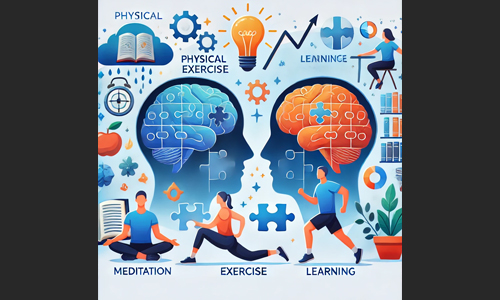
In a lucid dream, you can practice skills in a risk-free environment. Athletes can mentally rehearse physical actions, and performers can run through routines like public speaking without real-world consequences. This can help improve muscle memory, refine techniques, and boost confidence. Research suggests that mental practice in dreams can improve performance in waking life, much like physical practice.
4. Exploring the Subconscious Mind

It provides a unique opportunity to delve into the depths of your subconscious mind. You can explore personal issues, and unresolved emotions, or simply understand yourself better. It’s a way to gain insight into your thoughts, motivations, and hidden desires, leading to greater self-awareness and personal growth.
5. Relieving Stress and Anxiety

For some, it can be a form of escape from daily stressors. In a lucid dream, you have complete freedom to create calming environments, experience relaxing scenarios, and engage in activities that bring peace and joy. This form of mental relaxation can help reduce stress and anxiety levels in waking life.
6. Enhancing Personal Growth

It can be a valuable tool for personal development. It allows you to safely explore aspects of your personality or confront difficult situations, all while knowing you are in control. By practicing mindfulness and reflection in your dreams, you can work on improving relationships, confidence, and emotional well-being.
How to Have a Lucid Dream: Techniques to Try
Achieving this dream takes practice, but there are several techniques you can try. One of the most effective is reality checks—training your brain power to question whether you’re dreaming by performing small actions during the day. For example, try looking at your hands, flipping a light switch, or reading a piece of text. If things appear strange, you’re likely dreaming.
Keep a Dream Journal: Writing down your dreams as soon as you wake up helps increase your dream awareness.
Practice Reality Testing: Throughout the day, ask yourself if you're awake or dreaming. This habit may carry into your dreams.
Use the MILD Technique (Mnemonic Induction of Lucid Dreams): Before going to sleep, repeat the phrase, "I will realize I’m dreaming," to train your mind to recognize when you’re in a dream.
Wake Back to Bed (WBTB): Set an alarm to wake up after about five hours of sleep, stay awake for a short time, and then go back to sleep. This increases your chances of entering REM sleep while still conscious.
Things to Never Do

While lucid dreams can be exciting, there are a few things to avoid.
- If you feel anxious or uncomfortable in your dream, remain calm. Panic can escalate your fear, causing unpleasant experiences.
- Trying to experience extreme scenarios, like jumping off a building, might cause a shock in your dream and wake you up abruptly.
- Constantly questioning or overthinking what’s happening in your dream might force you out of it, ending the experience too soon.
How to Wake Up From a Lucid Dream
If you’re ready to wake up, there are a few simple techniques:
- Blink Your Eyes Rapidly: In your dream, blinking can help wake up your mind.
- Focus on Waking Activities: Think about waking tasks, such as brushing your teeth or getting out of bed. This often shifts your brain out of REM sleep.
- Tell Yourself to Wake Up: In many lucid dreams, simply deciding to wake up is enough to bring you back to reality.
Can Lucid Dreaming Make You Smarter Or Be Risky?
Lucid dreaming can sharpen self-awareness and creativity because the brain is actively problem-solving while you sleep. However, it does not make someone a “genius,” and relying on it for mental performance is unrealistic. For some people, frequent attempts may disrupt sleep quality or blur the boundary between sleep and wakefulness, especially if they already struggle with anxiety or sleep disorders. Like most brain hacks, balance matters more than intensity.
When to See a Doctor?
Most people enjoy it without any issues, but if it becomes frequent or affects your mental health, it might be time to consult a doctor or sleep specialist. Conditions like insomnia, sleep paralysis, or anxiety can be linked to excessive lucidity in dreaming. If you feel exhausted or disturbed by your dreams, a healthcare professional can help you manage your sleep patterns.
Recent Research on Lucid Dreams
It continues to be a hot research topic in the world of sleep science. In 2024, researchers at leading US universities, including studies published in Harvard Medical School, have discovered new insights:
Neuroscientific Research
Advances in brain imaging have shown that certain brain waves associated with mindfulness can promote these dreams.
Therapeutic Uses
There’s growing evidence that it can be an effective therapeutic tool for individuals with PTSD and anxiety, helping them gain control over their trauma-based nightmares.
Commercial Applications
New apps and devices designed to improve dream recall and induce lucidity in dreaming have hit the market, offering people better tools to enhance their dream experiences.
Lucid dreaming offers an exciting opportunity to explore your inner world, control your dreams, and find practical solutions to everyday problems. With the right techniques and understanding, it can become a valuable tool for personal growth and creativity.
FAQs on Lucid Dreaming
What is lucid dreaming?
Lucid dreaming occurs when you're aware that you're dreaming during a dream. This awareness can sometimes allow you to control aspects of the dream's narrative or environment.
How can I start lucid dreaming?
Techniques like reality checks, dream journaling, and methods such as Mnemonic Induction of Lucid Dreams (MILD) and Wake-Back-to-Bed (WBTB) can help induce lucidity.
Is lucid dreaming safe?
Generally, lucid dreaming is considered safe. However, practices like sleep interruption can lead to sleep deprivation. Individuals with certain mental health conditions should approach lucid dreaming cautiously.
What is halo lucid dreaming?
“Halo lucid dreaming” is not a recognized scientific or medical term. It is often used informally online to describe a very vivid or highly controlled lucid dream where the dream feels unusually clear or “elevated.” In reality, lucid dreaming simply means being aware that you are dreaming, and sometimes being able to influence the dream.
What causes lucid dreaming?
Lucid dreaming is thought to occur when parts of the brain responsible for awareness remain active during sleep, especially during the REM stage. Factors such as sleep disruptions, high self-awareness, or certain sleep conditions may increase the likelihood of experiencing lucid dreams.
What are the benefits of lucid dreaming?
Lucid dreaming can reduce nightmares, enhance creativity, and improve problem-solving skills. It's also used in therapeutic settings to help individuals confront fears.
Can anyone learn to lucid dream?
Most people can learn to lucid dream with practice. Techniques like reality checks and dream journaling can increase awareness and control within dreams.
So, are you ready to take control of your dreams and explore a world where anything is possible?