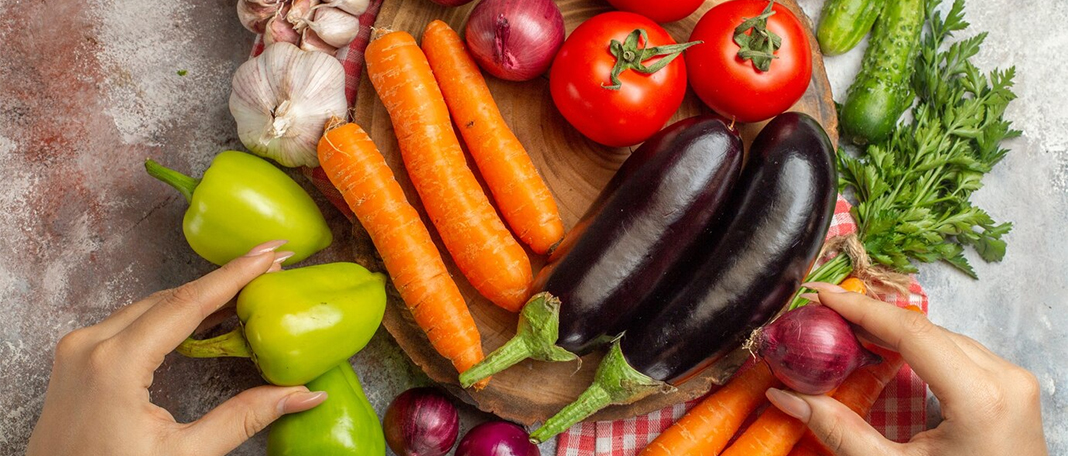
When it comes to building a vibrant, healthy diet, vegetables are the undisputed champions. Packed with essential vitamins, minerals, and fiber, they form the foundation of a well-balanced diet. But with so many varieties available, where do you even begin? We've compiled a comprehensive guide to the most healthy vegetables, categorized by their plant part, to help you navigate the produce aisle like a pro. From leafy greens to earthy roots, each category offers a distinct set of nutrients and flavors to enhance your meals and support your overall well-being.
1. Leafy Vegetables (Leaves of the Plant)
These vibrant greens are nutrient powerhouses, loaded with vitamins K and A, and minerals like iron and calcium. They are incredibly versatile and can be enjoyed raw in salads, wilted in soups, or cooked into hearty curries.
1. Spinach
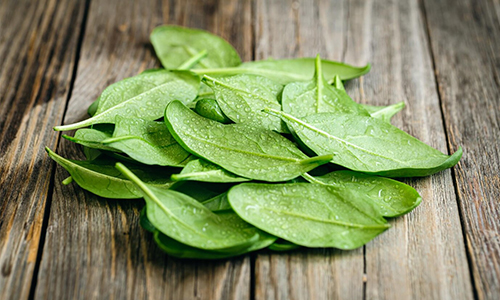
A classic for a reason, spinach is rich in iron, folate, and antioxidants.
2. Lettuce (Romaine, Iceberg, Butterhead)
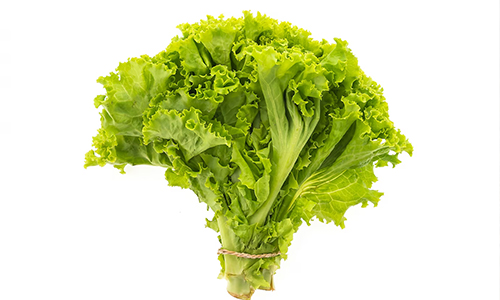
While some varieties are more nutrient-dense than others, all lettuce provides hydration and a satisfying crunch. Romaine is a top choice for its vitamin A and K content.
3. Kale
Often hailed as a superfood, kale is a fantastic source of vitamins C and K, as well as fiber.
4. Cabbage (Green, Red, Napa)
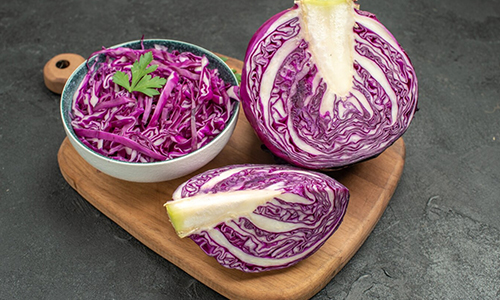
This crunchy cruciferous vegetable is a great source of vitamin C and has powerful anti-inflammatory properties.
5. Fenugreek Leaves
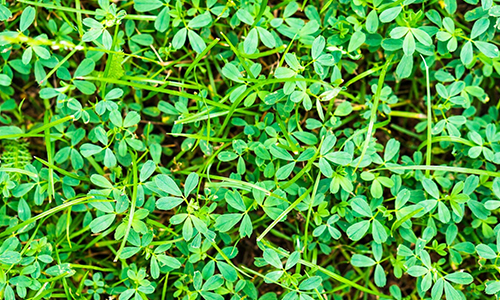
Popular in Indian cuisine, these greens are known for their distinct flavor and medicinal properties.
6. Mustard Greens
These provide a peppery kick and are excellent sources of vitamins A and C.
7. Amaranth Leaves
A staple in many cultures, amaranth leaves are high in protein and a good source of iron.
8. Collard Greens
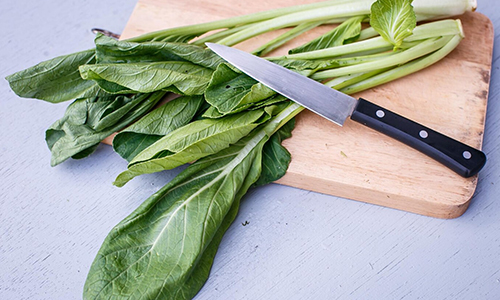
These sturdy greens are packed with calcium and vitamins A, C, and K.
9. Swiss Chard
With its colorful stalks, Swiss chard is a beautiful and nutritious addition, rich in vitamins A and K.
10. Beet Greens
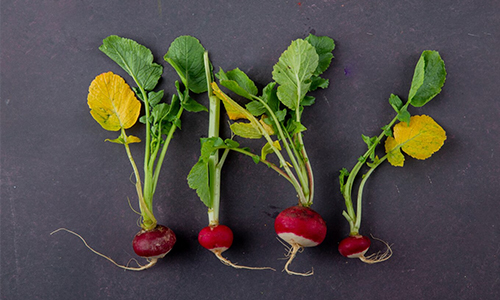
Don't toss those beet tops! They are even more nutritious than the root, providing a bounty of vitamins and minerals.
2. Root Vegetables (Grow Underground; Storage Organs of Plants)
Known for their earthy flavor and high fiber content, root vegetables are the ultimate comfort food. They are rich in complex carbohydrates and can be roasted, mashed, or added to stews.
11. Carrot
Famous for their beta-carotene, which the body converts to vitamin A, carrots are great for vision and skin health.
12. Beetroot
These vibrant roots are known for their high concentration of antioxidants and nitrates, which can help improve blood flow.
13. Radish

With their peppery taste, radishes are a good source of vitamin C and have a low-calorie count.
14. Turnip
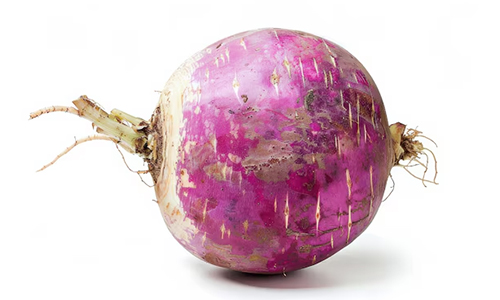
A member of the cabbage family, turnips are packed with vitamin C and have a slightly bitter, peppery flavor.
15. Sweet Potato
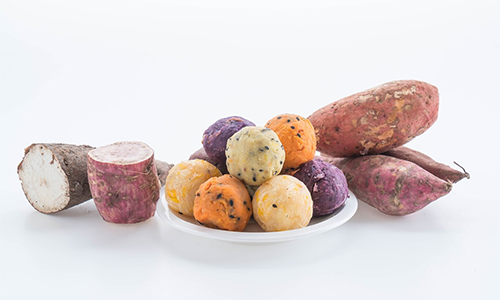
A delicious alternative to white potatoes, sweet potatoes are rich in beta-carotene and fiber.
16. Potato
A versatile and budget-friendly staple, potatoes provide potassium and vitamin C, especially when eaten with the skin on.
17. Yam
Often confused with sweet potatoes, yams have a starchier texture and are a good source of vitamin C and potassium.
18. Parsnip
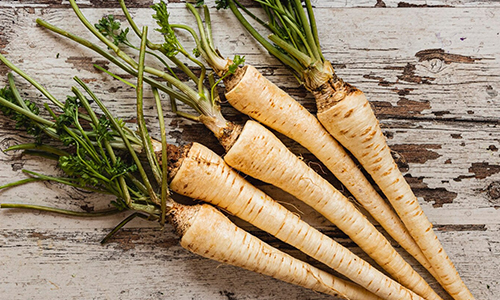
With a sweet, nutty flavor, parsnips are an excellent source of fiber and vitamin C.
19. Taro Root
A starchy vegetable popular in Asian and African cuisines, taro is a good source of fiber and vitamin B6.
20. Jerusalem Artichoke
Also known as sunchoke, this root is an excellent source of inulin, a prebiotic fiber that supports gut health.
3. Stem and Stalk Vegetables (Edible Plant Stems or Stalks)
Often crunchy and fibrous, these vegetables add great texture to meals while providing a wealth of nutrients. They are perfect for stir-fries, salads, or simply enjoyed as a snack.
21. Celery
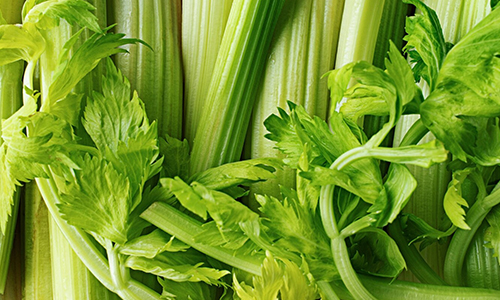
A hydrating vegetable with a satisfying crunch, celery is a good source of vitamin K and antioxidants.
22. Asparagus
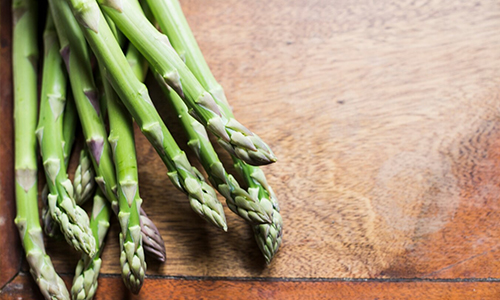
These tender spears are a fantastic source of folate and vitamins A, C, and K.
23. Bamboo Shoots
A staple in Asian cuisine, bamboo shoots are low in calories and high in fiber.
24. Kohlrabi (Stem of the Cabbage Family)
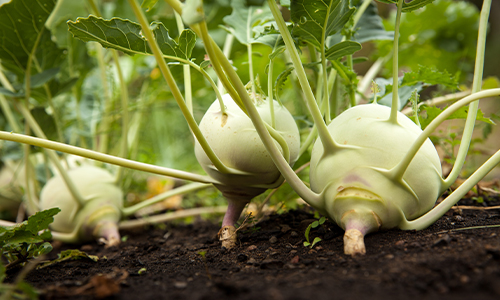
This unique vegetable has a mild, sweet flavor and is rich in vitamin C.
25. Leeks
A milder cousin of the onion, leeks are a good source of vitamins A, C, and K.
26. Fennel Stalks
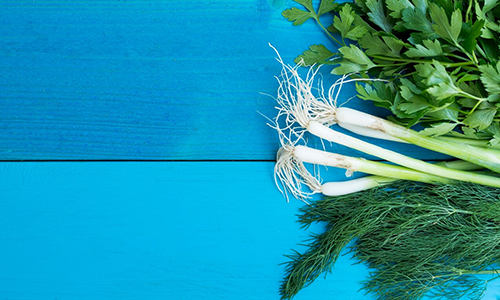
With a distinct licorice-like flavor, fennel is an excellent source of fiber and potassium.
27. Rhubarb
Though technically a vegetable, it's often used in desserts. Rhubarb is high in fiber and a good source of vitamin K.
28. Spring Onion (Green Part)
These provide a fresh, mild onion flavor and are a good source of vitamins A and C.
29. Sugarcane
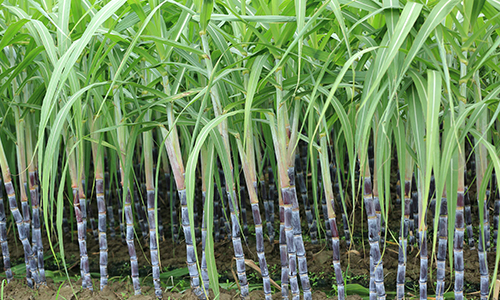
While not typically eaten as a vegetable, chewing sugarcane for its juice is a common practice and provides quick energy.
30. Lotus Stem
This crunchy, starchy vegetable is popular in Asian cooking and is a good source of fiber and vitamins.
4. Fruit Vegetables (Botanically Fruits but Used as Vegetables)
These "fruits" of the plant world are staples in many kitchens. They contain seeds and grow from the flowering part of the plant, offering a unique combination of sweetness and savory flavor.
31. Tomato
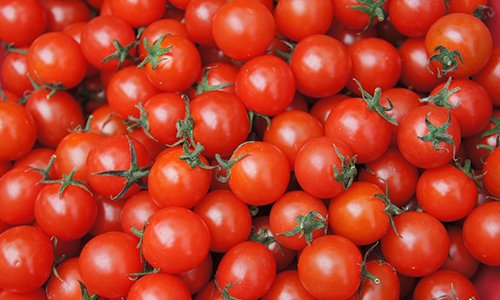
Rich in lycopene, a powerful antioxidant, tomatoes are great for heart health.
32. Cucumber
Known for its high water content, cucumber is incredibly hydrating and a good source of vitamin K.
33. Bell pepper (Capsicum – red, yellow, green)
Bell peppers, especially the red ones, are bursting with vitamin C.
34. Eggplant
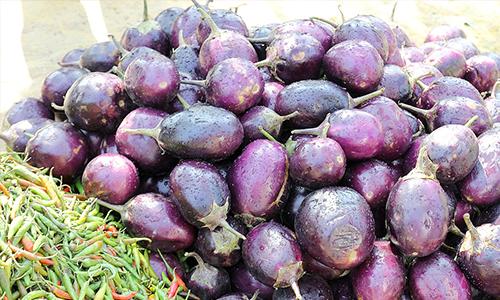
This versatile vegetable is a good source of fiber and antioxidants.
35. Lady’s Finger
Okra is known for its high fiber content and unique texture, and it's a great source of vitamins C and K.
36. Zucchini
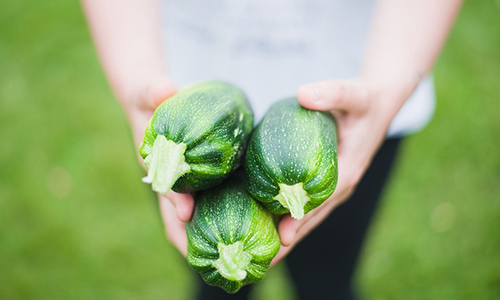
A summer squash that is low in calories and high in water and vitamins A and C.
37. Pumpkin
A fantastic source of beta-carotene and fiber, pumpkin is a perfect addition to both sweet and savory dishes.
38. Squash (Butternut, Acorn, etc.)
A diverse group of vegetables, squashes are rich in vitamins A and C, and provide a healthy dose of fiber.
39. Bitter Gourd
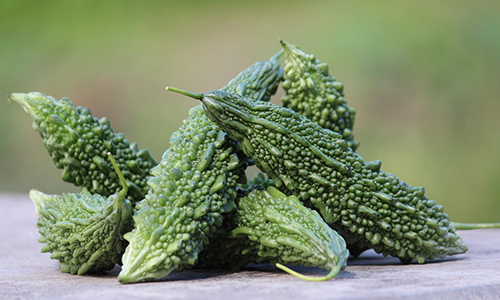
As the name suggests, it has a bitter taste but is highly valued for its health benefits, including its potential to help regulate blood sugar.
40. Bottle Gourd

This mild-flavored vegetable is incredibly hydrating and a good source of vitamins and minerals.
5. Flower and Bud Vegetables (Edible Flowering Parts of Plants)
Often delicate in flavor and rich in phytonutrients, these vegetables are a testament to the diverse ways we can eat from the plant world.
41. Cauliflower
A low-carb, high-fiber alternative to grains, cauliflower is packed with vitamin C and vitamin K.
42. Broccoli
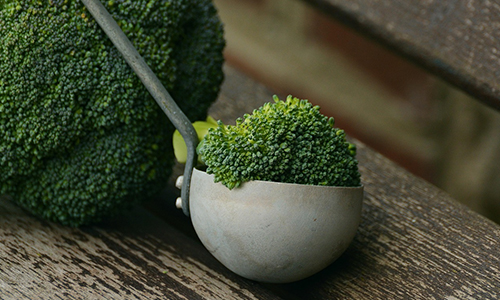
A nutritional superstar, broccoli is an excellent source of vitamins C and K, as well as fiber.
43. Artichoke
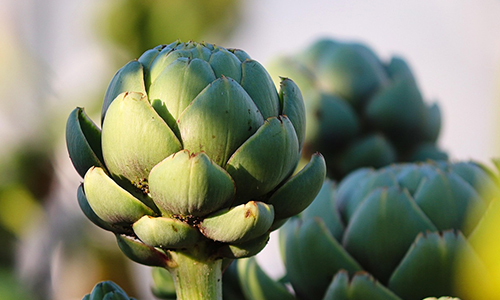
Known for its unique texture and slightly nutty flavor, artichokes are a great source of fiber and antioxidants.
44. Banana Flower
A common ingredient in Southeast Asian and Indian cooking, banana flowers are a good source of fiber and potassium.
45. Broccolini
A hybrid of broccoli and Chinese broccoli, broccolini has a sweeter, more delicate flavor and is rich in vitamins.
46. Romanesco
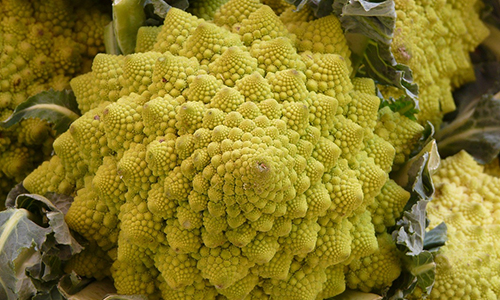
This striking vegetable has a fractal pattern and a mild, nutty flavor, and is an excellent source of vitamins C and K.
47. Chive Flowers
These delicate purple flowers offer a mild onion flavor and are a great way to add color and taste to a dish.
48. Squash Blossoms
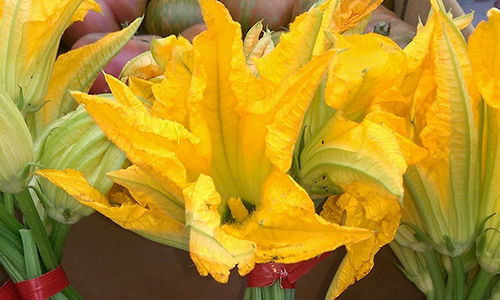
A seasonal delicacy, these flowers are often stuffed and fried, and they are rich in vitamins A and C.
49. Sesbania Grandiflora
Popular in some parts of Asia, these flowers are a good source of vitamins and have a slightly bitter taste.
50. Drumstick Flowers

The flowers of the moringa tree are edible and are used in various dishes, known for their high nutritional value.
Why These Are Considered the Most Healthy Vegetables
Disease Prevention
Cruciferous and colorful vegetables are linked to a lower risk of heart disease, stroke, and some cancers.
Weight Management
High in fiber and water, most vegetables are naturally low in calories and promote satiety.
Immunity Boost
Vitamins A, C, and antioxidants support your immune system.
Gut Health
Prebiotics and fiber feed good gut bacteria.
Vision Protection
Leafy greens rich in lutein and zeaxanthin help protect against age-related macular degeneration.
Longevity
Studies have consistently shown that diets high in vegetables reduce premature mortality.
FAQs
Which vegetables are best for iron deficiency?
Leafy greens like spinach, beet greens, and collard greens are excellent sources of iron. Fenugreek leaves are also a great option.
What vegetables should I eat if I have loose stools?
Focus on vegetables high in soluble fiber, such as sweet potatoes, carrots, and bottle gourd. Root vegetables in general can help firm things up.
What vegetables should I avoid if I have a latex allergy?
Some individuals with latex allergies may have a cross-reaction to certain fruits and vegetables, including avocados, bananas, bell peppers, celery, and potatoes.
What's the calorie difference between baked, fried, and air-fried potatoes?
A medium baked potato has around 161 calories. Fried potatoes can have 300-400+ calories, while air-fried potatoes fall in between, typically around 200-250 calories, depending on the oil used.
Can eating carrots improve my eyesight and reduce my need for glasses?
While carrots are rich in beta-carotene, which is essential for vision health, they will not cure or reverse existing vision problems like nearsightedness or farsightedness.
Which vegetables are good for managing blood sugar levels?
Fiber-rich vegetables like broccoli, cauliflower, leafy greens, and bitter gourd can help regulate blood sugar levels.
What vegetables are the best source of Vitamin C?
Bell peppers (especially red), broccoli, cauliflower, and leafy greens are excellent sources of Vitamin C.
Are all root vegetables high in carbohydrates?
Most root vegetables are a good source of complex carbohydrates, but some, like radishes and turnips, are lower in carbs compared to potatoes and sweet potatoes.
Can I get enough protein from vegetables alone?
While some vegetables like spinach and amaranth leaves contain protein, a plant-based diet should also include other sources like legumes, nuts, and seeds to ensure adequate protein intake.
Which vegetables are easiest to digest?
Well-cooked leafy greens, zucchini, and carrots are generally considered easy to digest. Steaming or boiling vegetables can also make them more digestible.
Which vegetables should I eat to improve skin health?
Vegetables rich in vitamins A and C, such as sweet potatoes, bell peppers, and spinach, are great for promoting healthy, glowing skin.
What vegetables should I eat for strong bones?
Look for vegetables rich in calcium and vitamin K, such as leafy greens like kale, collard greens, and broccoli.
Are canned vegetables as healthy as fresh ones?
While fresh vegetables are often preferred, canned vegetables can be a nutritious and convenient option. Be sure to choose options with no added salt or sugar.
Which vegetables are considered low-FODMAP for those with digestive sensitivities?
Low-FODMAP vegetables include carrots, cucumbers, potatoes, and spinach. It's best to consult a doctor or dietitian for a personalized plan.
How can I reduce the bitterness of vegetables like bitter gourd or kale?
Soaking bitter gourd in salt water for 15-20 minutes can reduce its bitterness. Massaging kale with a little oil and salt can also make it more palatable.
Eating vegetables isn't just a health choice—it's a life-extending habit. Whether you're a fan of leafy greens, crunchy stalks, or rich roots, the key is diversity, regularity, and smart cooking methods. Aim for at least 5–7 servings daily, and challenge yourself to try one new vegetable every week. Your body, brain, and gut will thank you!
Which of these most healthy vegetables will you try next? Share your favorite recipe with us!