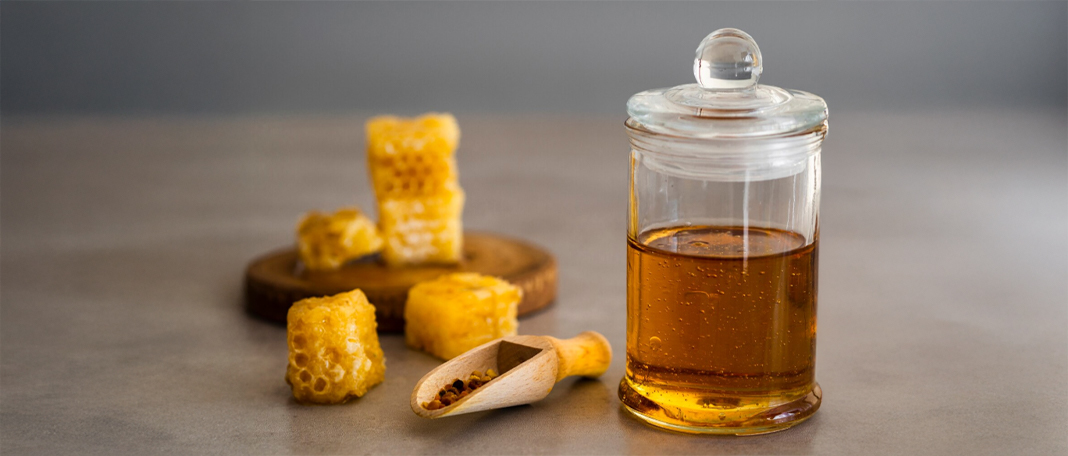
Honey is more than just a sweetener. It’s a natural, viscous food made by honeybees from flower nectar and stored in honeycomb cells. Bees collect nectar and process it into honey, giving it its familiar golden color and sweet taste. Honey typically contains about 17–18% water and is slightly acidic (average pH ~3.9), which, along with natural enzymes, gives honey its antibacterial and preservative qualities. In short, honey is a supersaturated solution of sugars (mostly fructose and glucose) with trace enzymes, minerals, vitamins and pollen.
Nutrition Value of Honey
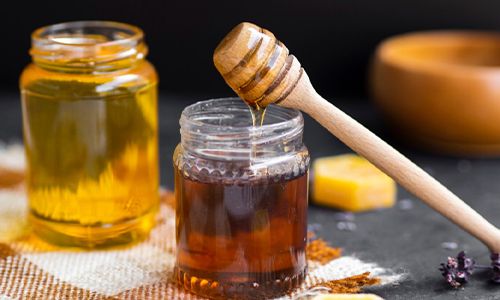
Honey’s composition is mainly sugars and water. For example, per 100 g of honey there are roughly 288–304 calories, 76–82 g of carbohydrates (nearly all sugars), and just ~17–18 g of water. The sugars are mostly fructose (∼42 g/100 g) and glucose (∼35 g/100 g). It contains negligible fat and only a trace of protein (∼0.5 g per 100 g). Vitamins and minerals (like vitamin C, B‐vitamins, calcium, iron, zinc) are present in only minute amounts (not enough to meet significant nutritional needs). In sum, honey is almost pure carbohydrate energy, with small but important bioactive compounds (enzymes, antioxidants, polyphenols) that contribute to its medicinal properties.
| Nutrient | Amount per 100 g Honey |
| Calories | ~288–304 kcal |
| Carbohydrates | ~76–82 g (mostly simple sugars) |
| • Fructose | ~41.8 g |
| • Glucose | ~34.6 g |
| Protein | ~0.4–0.5 g |
| Fat | 0 g |
| Water | ~17–18 g |
| pH (acidity) | ~3.9 (acidic) |
Even though honey is sweet, it is not pure sugar in a narrow sense: it also contains enzymes, amino acids, antioxidants and plant compounds that raw sugar doesn’t have. This means honey may have subtle health effects beyond just calories. For example, honey has antioxidant polyphenols and antimicrobial enzymes. It has small amounts of pollen and propolis, especially in raw comb honey, which contribute antioxidants and possibly nutritional variety. However, remember that all these extras are in tiny amounts, so honey should be viewed primarily as an energy-rich food, not a vitamin supplement.
How Honey Is Made: Bees and Nectar
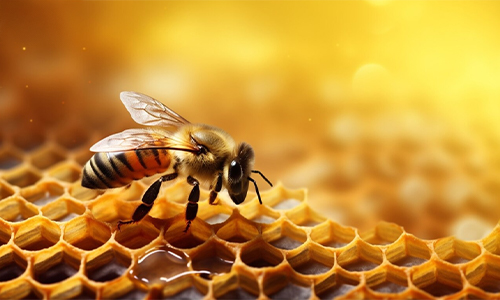
Honey isn’t harvested from plants at all but is produced by bees from flower nectar. Worker bees suck up nectar using their proboscis and store it in a special “honey stomach” (crop) separate from their digestive stomach. In this crop, bee enzymes (like invertase) break down the nectar’s complex sugars (sucrose) into simpler sugars (glucose and fructose). When a nectar-laden bee returns to the hive, it passes this enzyme-rich liquid to “house bees,” who deposit it into hexagonal beeswax cells in the hive.
Bees then fan the liquid with their wings to evaporate excess water. Over time, what’s left is a thick, sticky liquid honey. The bees will cap the cell with wax once the honey is fully concentrated and ripe. In other words, honey is essentially bee-processed flower nectar. (Some descriptions jokingly call it “bee vomit” because it’s regurgitated, but this is misleading: bees store nectar in a separate crop, not mixing it with digested food. It’s more accurate to say bees regurgitate and evaporate nectar to make honey.)
Structure of Honeycomb
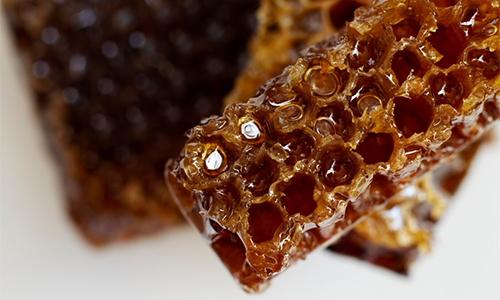
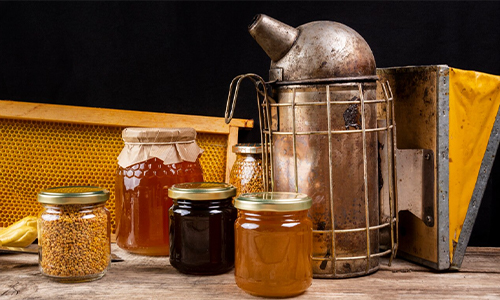
The structure where honey is stored is the honeycomb, a lattice of uniform hexagonal cells made of beeswax. These honeycombs hang in the hive, often beneath the roof or on tree branches. Each honeycomb cell is built and maintained by bees, and when full of honey it’s capped with wax to preserve it. Interestingly, you can eat the honeycomb too – the wax itself is edible (though not very nutritious) and can be chewed like gum. All of the honeycomb is safe to eat raw, including the waxen cell structure and residual bee pollen or propolis trapped inside. In fact, raw honeycomb contains the same honey sugars plus a bit more pollen, wax, and enzymes, making it a rich (if not calorically dense) treat.
Honey and Acidity

Honey is mildly acidic. Typical pH values for honey are in the range of 3.4–6.1 (average ~3.9). This acidity comes from natural organic acids like gluconic acid (made by bees adding the enzyme glucose oxidase). The acidity (and low water content) helps prevent spoilage – it creates an environment where most bacteria can’t grow. In fact, honey’s acidity is one reason it can be used for wound healing and preservation. (For example, medical-grade honey dressings use these antibacterial properties to help heal burns and ulcers) Despite being acidic, honey itself tastes sweet, not sour, because the sugars dominate the flavor.
Because honey is acidic, some people wonder if it can neutralize stomach acid. In reality, honey’s own acidity is too mild to act like a true antacid. However, honey can physically coat the esophagus and stomach lining thanks to its viscosity, providing a soothing barrier. This is why many folks use honey (often in tea) to soothe heartburn or cough – it forms a protective coating and may slightly buffer acid’s burn. Scientific evidence is limited, but honey’s viscous coating is a plausible reason people feel relief.
Calories and Carbs in Honey

Honey is calorie-dense due to its sugar content. On average, 100 g of honey has about 290–300 calories. To put it another way, a typical tablespoon (≈21 g) of honey contains about 60–64 calories and roughly 17 g of carbohydrates (almost all sugar). This means honey is slightly sweeter and has a bit more energy per spoonful than the same amount of table sugar (which has about 49 calories per tablespoon).
To give more specific figures:
- 1 tablespoon (21 g) honey: ~64 calories, ~17 g carbs (mostly sugar).
- 1 teaspoon (7 g) honey: ~20 calories and ~5 g carbs (most as sugar).
Because honey’s calories are mostly sugars (fructose and glucose), it will raise blood glucose similarly to other sweeteners. Its glycemic index is moderate (around 55–60), so people with diabetes or blood sugar issues should use it sparingly.
Sugar-free Honey?
This is actually a misleading term. Pure honey is naturally all sugar (mostly fructose/glucose), so “sugar-free honey” does not really exist in nature. Products marketed as “sugar-free honey” are typically honey-flavored syrups made with artificial sweeteners or sugar alcohols, not real honey. If you want a low-sugar sweetener, look for alternatives like stevia or monk fruit, but they aren’t honey. Any genuine honey you buy (raw or processed) will be high in natural sugars.
Who Can Eat Honey (and Who Shouldn’t)

Honey is generally safe and beneficial for almost everyone above age 1, but there are important caveats.
Infants Under 1 Year
Do not give honey (even a bit). Babies can’t handle the spores of Clostridium botulinum that honey may contain, leading to the rare but serious infant botulism. This is why doctors universally advise avoiding honey before 12 months of age.
Allergy Sufferers
People with severe pollen or bee product allergies should be cautious. Raw (unfiltered) honey often contains bits of bee pollen. In very sensitive individuals this can trigger allergic reactions (from mild itching to rarely anaphylaxis). If you have hay fever or known pollen allergies, it’s wise to start with a tiny amount or avoid raw honey. (Filtering removes most pollen, so commercial pasteurized honey is less likely to cause this, but susceptible people should still be cautious.)
Diabetes and Blood Sugar Concerns
Because honey is mostly sugar, diabetics should treat it like any sweetener and limit intake. It does have antioxidants but these don’t overcome its high carbohydrate load. Always factor honey into the carb-count of a meal.
Others
Some health conditions or diets may limit sugar (e.g. keto diet or uncontrolled diabetes). In those cases, one should be careful with any sweetener, including honey. Generally, though, if you have no specific restriction, honey can be part of a healthy diet in moderation.
So, anyone over 1 year old can safely enjoy honey, unless they have pollen/bee allergies or are on a strict no-sugar diet. The only hard “no” is infants under 12 months.
Buying and Testing Honey
Not all honey on the market is created equal. Some honey is processed (pasteurized, filtered) while some is raw/unfiltered. Raw honey tends to have more of the minor nutrients and enzymes intact, and may contain bits of pollen or wax, whereas commercial honey is usually smoother and shelf-stable. Adulteration is also a concern: dishonest producers sometimes dilute honey with sugar syrups (corn syrup, invert sugar, etc.) to cut costs.
Common Adulterants of Honey
- Molasses (cane-sugar syrup)
- Liquid glucose or high-fructose corn syrup (HFCS)
- Invert sugar syrups
- Rice syrup or other cheap syrups
These add bulk and sweetness but dilute the real honey. To ensure quality, buy honey from reputable sources: look for labeling like “USDA Grade A” or “100% pure,” check reviews of local beekeepers, or buy organic/monofloral honeys from trusted brands. Local farmers’ markets or beekeeper co-ops can be good sources of raw honey.
Home Tests for Purity
Solubility Test
Drop honey in water. Real honey tends to clump and sink before fully dissolving.
Flame Test
Dip a matchstick in honey and try lighting it. Pure honey (being very dry) can burn; adulterated honey (with more moisture/syrups) may not light as easily.
Blot Test
Drip honey on blotting paper. Pure honey forms a spot without soaking through, whereas diluted honey may wet the paper.
Vinegar Test
Mix honey with a little vinegar water. If it foams, it could indicate impurities.
These home tests are indicative but not foolproof – even pure honey can sometimes fail or pass by accident. The only definitive test uses lab equipment (like spectroscopy or chromatography) to detect added sugars. In practice, the best approach is to trust brands with transparent sourcing and, if buying raw honey, to see that it crystallizes naturally (pure honey will slowly crystallize over time, whereas some ultrafiltered or syrup-laced honey may not).
For ultimate confidence, official food agencies advise: “Buy honey from a reliable source or apiary” and be cautious of honey from unknown or sketchy suppliers. Avoid any product labeled “100% pure” at a suspiciously low price – good honey usually costs something. And remember, if the honey smells or tastes off (bitter or fermented), or if it doesn’t thicken/crystallize at all, it might be impure.
Health Benefits of Honey
Honey has been used medicinally since ancient times (in Ayurveda, Greek medicine, traditional Chinese medicine, etc.). Modern science confirms many of honey’s healthful properties, though it’s not a cure-all. Below are some of the main benefits:
Antibacterial and Wound Healing
Honey’s acidity, low water content, and natural hydrogen peroxide (formed by bee enzymes) give it powerful antimicrobial action. It can kill or inhibit many pathogens. That’s why honey has been used to dress wounds and burns for millennia – it soothes inflammation and prevents infection. (Manuka honey, a specialty honey from New Zealand, contains extra antibacterial compounds like methylglyoxal.)
Cough and Throat Soothing

One of the most famous uses: a spoonful of honey can soothe a sore throat or suppress coughs. Clinical studies (and CDC/Mayo recommendations) have found honey often works better than over-the-counter cough medicines. It coats the throat, reducing irritation, and its antioxidants may help fight infections. For both children (over 1 year) and adults, taking a teaspoon or two of honey (plain or in warm tea) can relieve nighttime cough and help kids (and parents) sleep better. (Mayo Clinic explicitly notes honey is safe and effective for cough relief.)
Digestive and Gut Health

Honey has long been used for stomach and digestive issues. Modern research suggests honey may act as a prebiotic – feeding good gut bacteria. It contains indigestible oligosaccharides and other compounds that stimulate beneficial microbes. Lab studies show honey can boost Lactobacillus and Bifidobacteria while suppressing harmful bacteria like Salmonella or E. coli.
Some animal studies even found honey alleviates constipation, likely by drawing water into stools and altering gut flora. (One mice study saw improved stool water content and transit with honey.) Honey also has mild anti-ulcer and anti-inflammatory effects in the gut. People with IBS should know honey is high in fructose (a FODMAP) which can trigger symptoms for some; however, others tolerate small amounts with no problem. Overall, as a soothing liquid with polyphenols and prebiotic sugars, honey may help tummy troubles for many people, though it’s no substitute for medical care.
Heart and Blood Pressure
Animal research indicates honey may benefit the cardiovascular system. In hypertensive rats, daily honey lowered elevated blood pressure and reduced oxidative stress in the kidneys. Honey’s antioxidants and anti-inflammatory compounds (flavonoids, polyphenols) may help protect blood vessels and improve blood flow. Preliminary human data (small studies) hint that moderate honey intake could improve cholesterol profiles, though results vary.
Anecdotally, raw honeycomb is sometimes cited for heart health; for example, one source notes honeycomb consumption might improve heart and liver function. Certainly honey’s antioxidant polyphenols have been linked to lower risk of heart disease. In any case, using honey in place of refined sugars is one way to slightly boost antioxidant intake and potentially support healthier cholesterol levels.
Brain, Sleep, and Mental Health

Honey contains trace amounts of brain-related compounds like melatonin and serotonin. Some research suggests honey could have memory and cognitive benefits. For instance, studies on “tualang honey” (a Malaysian jungle honey) showed it improved memory and increased brain-derived neurotrophic factor (BDNF) in animals, possibly by reducing oxidative stress.
While we’re far from prescribing honey for Alzheimer’s or depression, these findings hint that honey’s antioxidants might support brain health. Traditionally, honey (often with milk) is used to promote relaxation and better sleep. Indeed, a little honey before bedtime can help raise insulin slightly and make it easier for tryptophan to enter the brain, potentially boosting melatonin production. This may explain why a spoonful of honey in warm milk is a folk remedy for insomnia. (Clinical trials are limited, but one trial showed honey improved subjective sleep quality without adverse effects.)
Skin Care
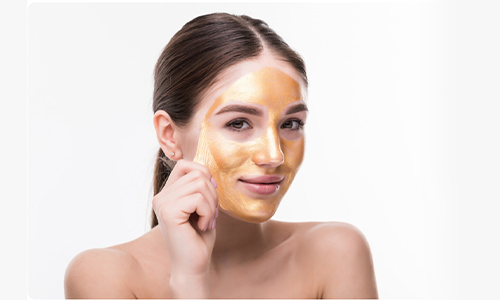
Honey’s humectant (moisture-retaining) and antibacterial properties make it a popular ingredient in skin care. It’s been studied for acne, burns, and wounds: honey dressings can speed healing of minor cuts and combat infection. In cosmetics, honey hydrates and soothes the skin. One review notes honey is emollient, humectant, and even anti-aging – it helps skin retain moisture, smooths wrinkles, and prevents pathogen growth on the skin.
It also regulates skin pH and can soothe burns or diaper rash everyday use, honey can be applied as a natural face mask (mixed with yogurt or oats) to moisturize dry skin, reduce redness, or clear mild acne (thanks to its mild antibacterial effect). Ayurvedic traditions even use honey (often with turmeric) as an external poultice for wounds and skin health. Men can benefit too: honey facials and masks work the same on anyone’s skin (and are sometimes promoted in men’s grooming for beard softening or acne). In short, honey is a natural skin-care ingredient that soothes, heals, and moisturizes.
Hair Care
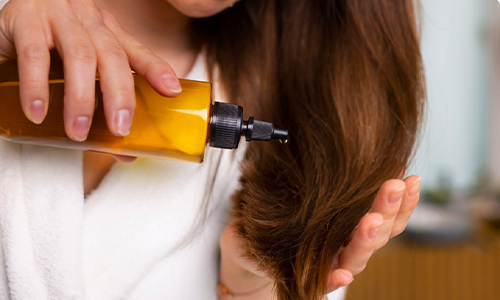
Honey can condition hair in much the same way it moisturizes skin. It’s a component in many shampoo and conditioner recipes, helping to smooth and soften hair shafts. Health experts note honey’s humectant action binds water to hair, adding shine and reducing brittleness. It also has a small amount of hydrogen peroxide enzyme, which can very slightly lighten hair over time (a mild natural bleach).
More importantly, honey’s amino acids and vitamins may support scalp health. It can help with dandruff and dermatitis: for instance, honey’s antifungal properties can combat the yeast that causes dandruff. After a honey-based scalp treatment, hair often feels softer and glossier. Many people use honey in DIY hair masks (often mixed with olive oil or yogurt) to nourish and prevent breakage. Overall, honey is a gentle, natural conditioner that restores moisture and vibrancy to hair.
Stomach and Digestive Relief
A traditional use is to soothe stomachaches and ulcers. Honey’s antioxidant and anti-inflammatory effects may protect the stomach lining. Animal studies have shown honey’s anti-ulcer effects, likely by scavenging free radicals and enhancing healing. For mild heartburn or reflux, honey’s thick coating action (like a living bandage) can calm irritation.
Some people take a spoonful of honey on an empty stomach for mild gastritis or cramps. There’s also anecdotal evidence that honey can relieve nausea, though this is less well studied. In general, honey is gentle on the tummy, and its mild laxative effect can keep digestion regular without harsh side effects.
Liver Health
Preliminary reports suggest honey might support liver function. In some animal models of liver injury, honey reduced liver enzymes and inflammation. One human study on patients with chronic hepatitis found honey supplementation improved liver function tests (ALT/AST) and quality of life. These effects are thought to come from honey’s antioxidants protecting liver cells. More research is needed, but the idea of honey as a “liver tonic” dates back in folk medicine.
Other Uses
Honey is also a food used for energy. Endurance athletes sometimes use honey instead of refined sugars to fuel workouts, as it provides quick energy plus trace nutrients. Culturally, honey is part of many rituals: in some traditions, offering honey symbolizes sweetness in marriage or life. It’s used in Ayurveda to build immunity (“ojas”) and in folk remedies for coughs, colds, and digestive cleansing.
In summary, honey’s benefits range from cough relief and wound healing to skin/hair care and gut health. While scientific evidence varies by use, honey’s mix of sugars, acids, enzymes and phytochemicals give it unique properties that modern and traditional medicine both recognize.
When to Be Cautious
Despite all the positives, remember that honey is still a sugar-rich food. The American Heart Association recommends limiting added sugars (including honey) to promote heart health. Eating excessive honey can contribute to weight gain or blood sugar spikes. And as noted, children under 1 year should never be given honey due to infant botulism risk. People with pollen allergies should use ultra-filtered honey or avoid raw honey that may contain pollen. Finally, if you’re on any medication or have a health condition, it’s wise to discuss with your doctor before using large amounts of honey as a “remedy.”
But for most healthy adults and older children, honey is a safe, natural option to sweeten foods, soothe ills, or try home remedies. Its combination of nutrients and plant compounds — along with its delicious taste — make it one of nature’s most enduring cures and comforts.