If your fridge feels like a produce graveyard, you’re not alone. According to the USDA, the average American family throws away about $1,500 worth of uneaten food each year, and fresh produce is the biggest culprit. With a few smart storage tweaks, you can double the life of your groceries, save money, and reduce waste. Here are 11 science-backed, easy tips to keep your produce crisp and tasty, plus a bonus hack you’ll love.
1. Sort Produce by Type (Fridge vs. Counter)
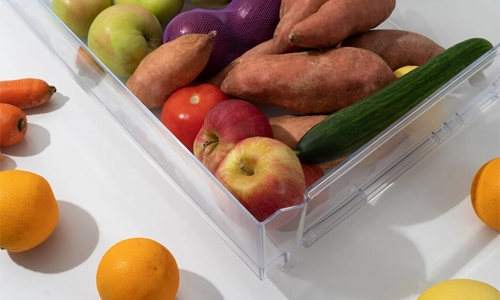
Climacteric fruits (bananas, peaches, plums, mangoes, avocados) ripen after harvest. Keep them at room temp until ripe, then refrigerate. Non-climacteric fruits (berries, citrus, grapes) go straight to the fridge to stay fresh.
The FDA notes that keeping berries refrigerated can extend their shelf life by up to three times compared to room temperature.
2. Use Separate Drawers for Fruits and Vegetables
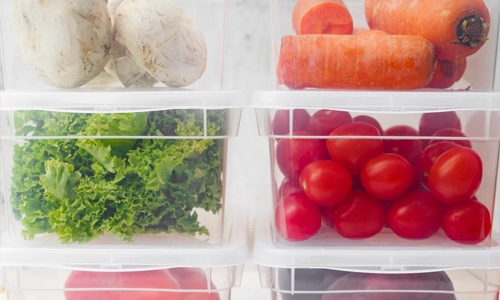
Studies show separating ethylene producers can reduce spoilage losses by 20–30% in household refrigerators. Don’t mix everything in one crisper. High-ethylene fruits like apples and pears can speed up the spoilage of delicate veggies. Use one drawer for fruits and another for vegetables.
3. Keep Ethylene Producers Apart
Apples, bananas, pears, melons, and peaches release ripening gas. Store them away from cucumbers, broccoli, and leafy greens, which are ethylene-sensitive.
4. Only Wash When You’re Ready to Eat
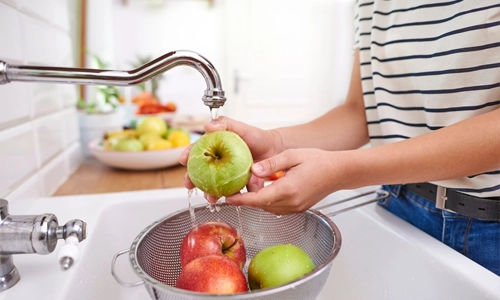
Moisture increases mold growth by 2–3 times in soft fruits like berries. Moisture accelerates decay. Store produce unwashed. Wash and dry just before eating or cooking.
5. Line Containers with Paper Towels
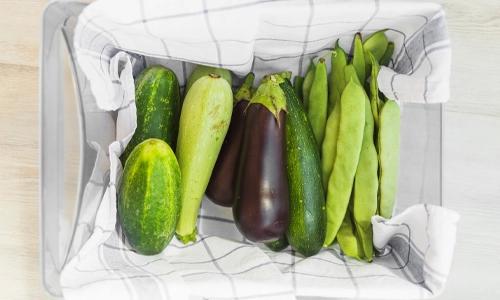
For berries, lettuce, and herbs, a paper towel at the bottom of the container absorbs excess moisture and prevents mold.
6. Wrap Certain Veggies in Foil

Celery, broccoli, and carrots stay crisp longer when loosely wrapped in foil. It traps humidity but allows a little airflow. This simple trick can keep celery crisp for up to 4 weeks instead of 1.
7. Use Jars or Clear Containers
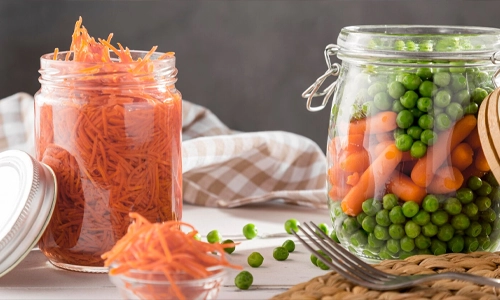
Store grapes, berries, and cut veggies in clear jars. You’ll see them, eat them sooner, and keep them from getting crushed.
8. Don’t Store Onions and Potatoes Together
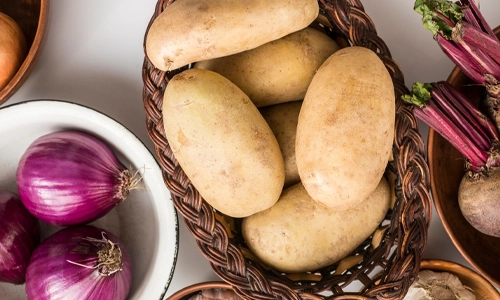
Onions emit gases that cause potatoes to sprout and develop off-flavors. Keep them in separate, cool, dark spots. Proper storage can extend potato life by 2–3 months.
9. Give Herbs a “Bouquet” Treatment
Trim stems of herbs like parsley or cilantro and stand them in a jar with an inch of water. Cover loosely with a bag. Basil prefers room temperature; most others can go in the fridge.
10. Chill Apples if You Like Crunch
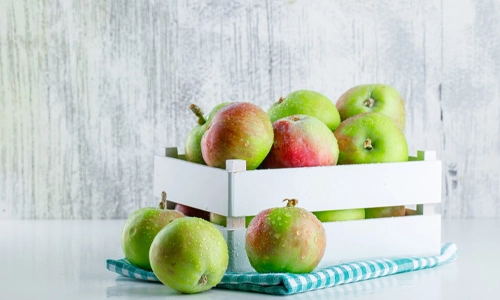
Refrigerating apples preserves their crispness for weeks. Just keep them away from other ethylene-sensitive produce.
11. Freeze Before It’s Too Late
If you can’t finish your veggies in time, freeze them. Chop and flash-freeze berries or herbs in ice cube trays with water or olive oil for later use. Freezing at the right time preserves up to 90% of the vitamin C content in many vegetables.
12. Bonus Hack: Revive Limp Veggies
Limp celery or carrots? Stand them in ice water for 30 minutes to restore crunch. Soft greens can go into smoothies or soups.
FAQs
Should I wash fruits and veggies before storing?
No. Extra moisture speeds up mold and rot. Rinse right before use and dry well.
Can I store everything in the crisper together?
It’s best to separate fruits from veggies to avoid ethylene gas transfer.
How do I keep lettuce and greens crisp?
Dry them well, store in a bag or container with a dry paper towel, and refresh in cold water if they wilt.
Can I freeze any veggies to make them last?
Yes. Blanch some (like green beans) before freezing. Herbs can be frozen in oil cubes.
Should I refrigerate bananas?
Only after they ripen to slow further ripening. The peel may darken but the fruit stays firm.
How long can apples last in the fridge?
Up to 6–8 weeks if stored in a crisper and away from other produce.
Why shouldn’t onions and potatoes be stored together?
Onions emit gases that cause potatoes to sprout faster and taste off.
With these 11 tips (plus a bonus hack), your produce will stay crunchy, colorful, and nutrient-rich for days—even weeks—longer. The USDA estimates U.S. households waste 30–40% of food purchased. With a few changes, you can keep more of your healthy vegetables and fruits out of the trash.