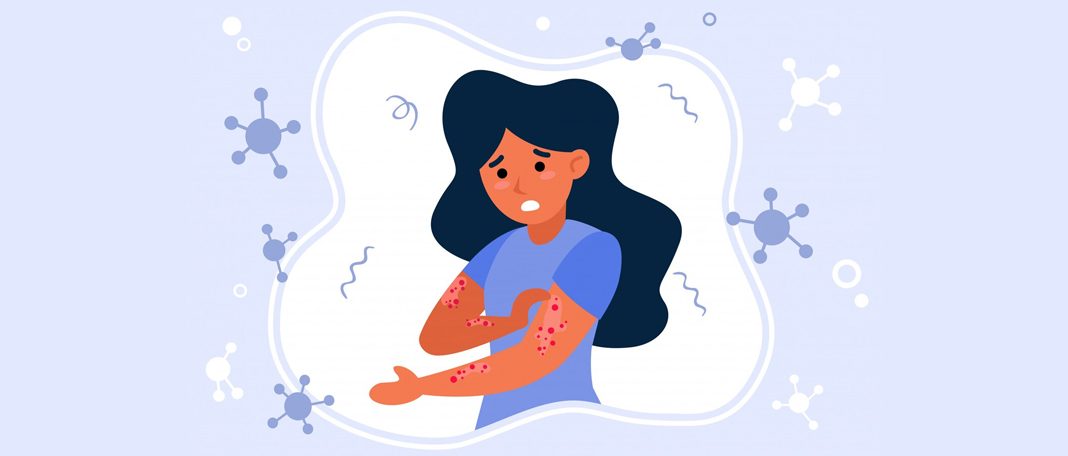
Imagine waking up one morning feeling unwell—your body burning with a high fever, your nose running, and a strange rash rapidly spreading across your skin. You might think it's just the flu, but it could be something more serious—measles. This highly contagious disease can spread quickly, putting your health and those around you at risk. But there’s hope—measles is completely preventable. Let’s dive into the symptoms, treatments, and, most importantly, how to protect yourself before it's too late.
What is Measles?
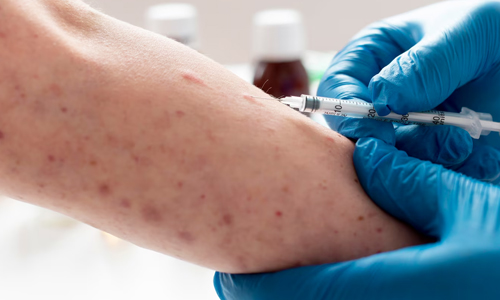
Measles is caused by a virus called the Measles morbillivirus, and it mainly affects children, and also to anyone who hasn’t been vaccinated. In the past, it was a common childhood disease. It can lead to serious complications, like pneumonia and brain infections, especially in young kids or people with weak immune systems.
It’s not just a rash, this is a serious illness that can make you very sick for a few weeks. Luckily, vaccines have made it rare in many places. However, these incidents still occur, it’s important to know about the disease and how to protect yourself.
What Does Measles Look Like?
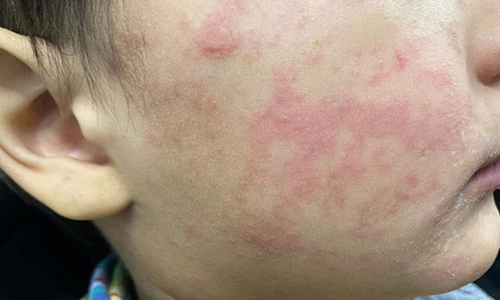
The most noticeable sign of measles is a red, spotted rash that spreads all over the body. But there’s a bit more to it.
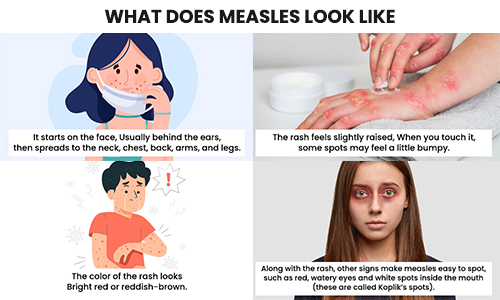
If you see these symptoms, it’s time to visit the doctor for confirmation.
Measles Symptoms
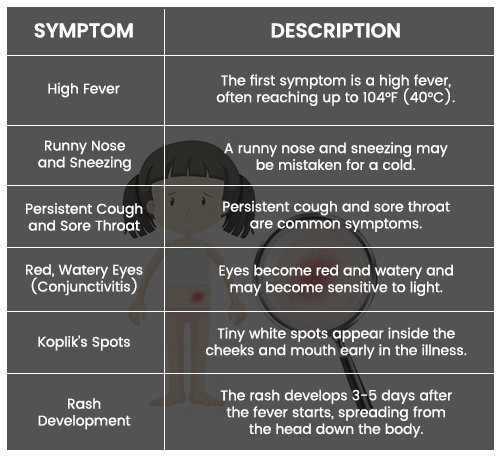
Measles doesn’t just show up all at once, it follows a pattern. Here’s how it typically goes,
It can be easy to mistake measles for the flu or other viral infections at first. However, if these symptoms occur together, especially the rash and redness in the eyes, you will deal with measles.
How Does Measles Spread?
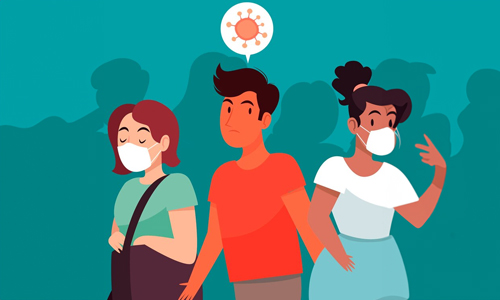
This virus spreads faster than you might think. Measles is one of the most infectious diseases in the world. It spreads through tiny droplets in the air. When someone with measles coughs or sneezes, those droplets can remain in the air or on surfaces for up to two hours.
You don’t need to touch the infected person to get it; breathing the same air can be enough. If you’re not vaccinated, there’s a 90% chance you’ll get measles if you’re exposed.
How Long Does Measles Stay?
Grasping the duration and progression of measles is essential for effective awareness and prevention. Below is an overview of how long measles lasts and its key stages.
1. Incubation Period
After being exposed to the virus, it typically takes about 7-14 days for symptoms to start appearing. During this incubation period, you won't feel sick or exhibit any signs of illness, but the virus is still multiplying in your body.
2. Symptom Onset
Once the incubation period is over, the first symptoms usually include a high fever and cold-like signs such as a running nose, sneezing, and cough. These initial symptoms can resemble those of other respiratory infections, making it easy to initially misidentify the illness.
3. Rash Development
A distinctive rash typically develops a few days after the initial symptoms. It typically starts on the face and then spreads downwards to the rest of the body. The rash may appear red and blotchy, and it is a key indicator of measles.
4. Contagious Period
Individuals with measles are contagious for a total of eight days, four days before the rash appears and four days after it fades. The virus can easily spread to others during this time, especially in crowded places.
5. Full Recovery
The entire course of the illness generally lasts about 2-3 weeks. While most symptoms will resolve within this time, some individuals may feel fatigued or weak for a little longer as their body fully recovers from the infection.
Is Measles Deadly?
Most people recover from this disease without issues, but complications can happen, especially in kids under five, pregnant women, and those with weak immune systems.
- Pneumonia is the most common cause of death in measles cases.
- Encephalitis is a rare but serious brain infection that can cause permanent damage.
- Deafness can occur due to ear infections associated with measles, leading to hearing loss.
- Measles during pregnancy can result in complications such as miscarriage or premature birth.
Although it’s rare, measles can be fatal, especially in places with limited access to healthcare. 1 in 1,000 cases can lead to death due to complications.
Can We Prevent Measles?
Yes, The best way to prevent measles is through vaccination. The MMR vaccine (Measles, Mumps, and Rubella) is effective, usually providing lifelong immunity after two doses for most people.
- Boosting immunity by eating well and staying healthy can help your immune system fight off infections.
- It's important to avoid exposure during an outbreak, so avoid large gatherings and crowded places.
- Practicing good hygiene, such as washing your hands often and avoiding touching your face, can significantly reduce your risk of infection.
Treatment of Measles
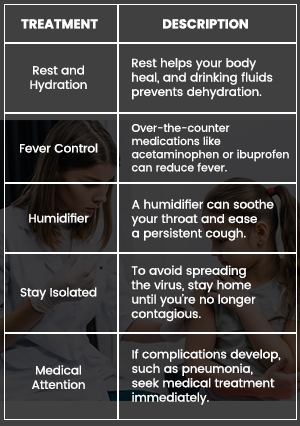
There’s no specific medicine to cure measles, but you can manage the symptoms and support your body’s recovery,
If complications develop, like pneumonia, medical treatment may be needed, so don’t hesitate to consult a doctor.
Vaccinations for Measles
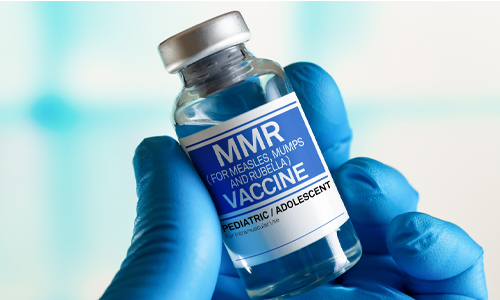
The MMR vaccine (which stands for Measles, Mumps, and Rubella) is the most effective way to protect yourself and others from this highly infectious disease. And it’s not just about personal protection; it plays a vital role in keeping entire communities safe.
How Does the MMR Vaccine Work?
Think of the vaccine as a training session for your immune system. When you get the MMR vaccine, your body is introduced to a safe version of the virus. Your immune system learns to recognize it and builds a defense (antibodies). So, if you’re ever exposed to the virus, your body can fight it off before you get sick. Pretty cool, right?
When Do You Get the Vaccine?
The MMR vaccine is usually given in two doses
- The First dose is when a child is 12-15 months old.
- The Second dose is when a child is Between 4-6 years of age.
These two doses are enough to provide lifelong protection in most cases.
Why is Vaccination So Important?
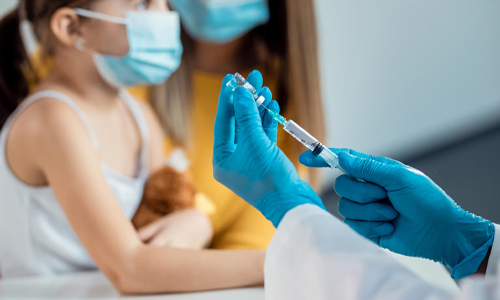
One person with measles can infect 9 out of 10 unvaccinated people who are around them. If enough people are vaccinated, outbreaks become rare. This is what’s called herd immunity. It’s like creating a protective bubble, if most people have good immune power, the virus can’t spread easily, even to those who can’t get vaccinated (like newborns or people with weakened immune systems).
What Happens if We Don’t Vaccinate?
When vaccination rates drop, measles makes a comeback. That’s exactly what happened in some countries where vaccine misinformation caused a decline in immunization. Suddenly, there were outbreaks in communities that hadn’t seen measles for years. Skipping vaccines puts everyone at risk, including those who can’t get vaccinated for medical reasons.
Any Side Effects?
The MMR vaccine is generally very safe. Some people may have mild side effects, like a low-grade fever or a rash, but serious reactions are extremely rare. The benefits of getting vaccinated far outweigh the risks.
Vaccination is a Lifesaver
Thanks to vaccines, millions of lives have been saved worldwide. Before the vaccine was introduced, measles caused thousands of deaths every year. We’ve come a long way in reducing those numbers with vaccination efforts, but we need to keep going.
So, if you or your children aren’t vaccinated yet, it’s never too late to talk to your doctor and get the shots. Protect yourself, protect your loved ones, and protect your community. Every vaccination counts in the fight to eliminate measles for good.
WHO and Measles Elimination Efforts
Let’s take a moment to appreciate the amazing efforts of the World Health Organization (WHO) to eliminate measles even though it is still around, WHO has been working tirelessly to get rid of it for good.
1. Vaccination Campaigns
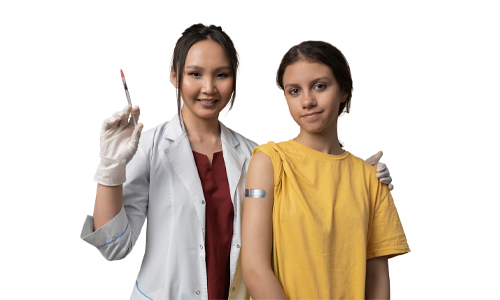
WHO runs large-scale campaigns to vaccinate people in remote and underserved areas. Health workers often go above and beyond, sometimes traveling long distances, to ensure everyone is protected.
2. Raising Awareness
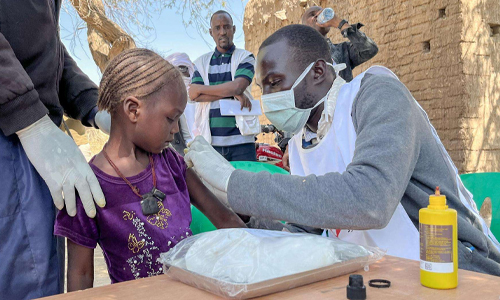
Misinformation about vaccines is a major hurdle. WHO works with local communities and experts to spread accurate information about the safety and importance of vaccines, helping people feel confident about getting vaccinated.
3. Surveillance Programs
To stop outbreaks early, WHO monitors measles cases worldwide. They act fast, deploying vaccination teams to contain any outbreak before it spreads further.
The End Goal: A Measles-Free World
WHO’s ultimate mission is to eliminate it, like smallpox. Through global cooperation, vaccination, and awareness, we are inching closer to a world without measles.
It might feel like an old problem, but it still exists and can lead to serious issues if not managed. The good news is that vaccines are effective, and they are the best way to keep you and your loved ones safe.
Difference Between Measles and Chickenpox
Measles and chickenpox are not the same. Although both cause rashes and are highly contagious viral infections, they are caused by different viruses, have different symptoms, and require different vaccines for prevention.
| Feature | Measles | Chickenpox |
| Causative Virus | Measles morbillivirus | Varicella-zoster virus |
| Early Symptoms | High fever, cough, runny nose, red eyes | Mild fever, tiredness, headache |
| Rash Appearance | Flat red rash, often blotchy | Itchy red spots that turn into fluid-filled blisters |
| Rash Progression | Starts on face and spreads downward | Starts on chest/back and spreads outward |
| Contagious Period | 4 days before and after rash onset | 1–2 days before rash until all blisters scab over |
| Severity | Can lead to serious complications (e.g., pneumonia, encephalitis) | Generally mild but can be severe in adults or immunocompromised people |
| Prevention | MMR vaccine (Measles, Mumps, Rubella) | Varicella vaccine |
| Common in | Unvaccinated children and adults | Mostly children |
| Immunity After Infection | Lifelong | Lifelong, but virus can reactivate as shingles |
If you have symptoms or have been exposed to measles, contact your healthcare provider right away. If you haven’t been vaccinated yet, it’s never too late to get your MMR shots.
Wishing you a healthy and informed journey, stay measles-free.