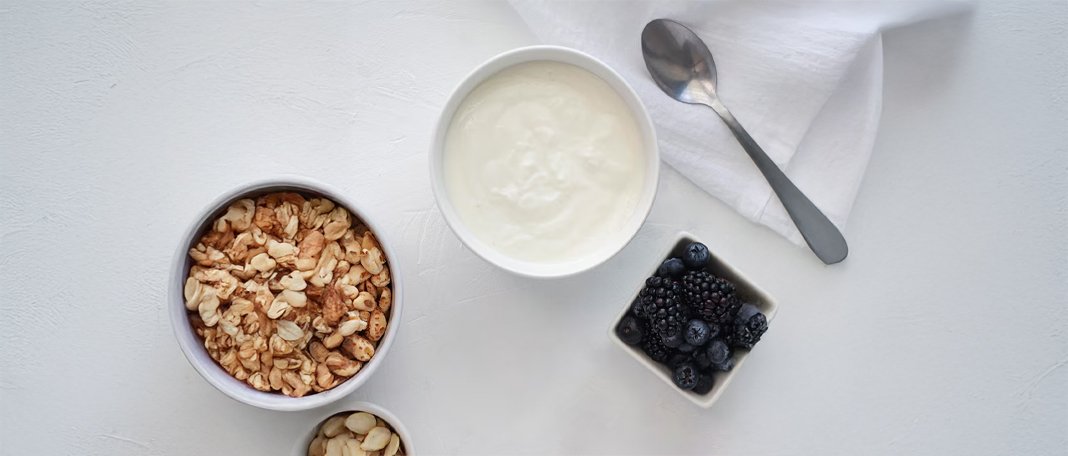

Yogurt is one of those underrated kitchen staples that deserves a lot more love. Sure, we dollop it on spicy food and blend it into smoothies, but did you know this creamy delight has a bunch of secret talents? From glowing skin to a happy gut, the benefits of yogurt stretch way beyond your breakfast bowl. Let's dig into all the surprising ways you can make yogurt your everyday wellness buddy!
What Is Yogurt?

Yogurt is a creamy, tangy dairy product made by fermenting milk with specific strains of bacteria like Lactobacillus bulgaricus and Streptococcus thermophilus. These live cultures give yogurt its signature texture, flavor, and health benefits.
Is Yogurt Healthy?
Absolutely! Yogurt is rich in protein, calcium, B-vitamins, and probiotics. It helps maintain a balanced gut, supports bone strength, and can even improve immunity. Of course, the healthiest yogurt is plain, unsweetened, and preferably homemade or Greek-style.
Is Greek Yogurt a Probiotic?
Yes, Greek yogurt is packed with probiotics – the "good" bacteria that support digestion and boost immunity. Since it’s strained, it also has a thicker texture and higher protein content compared to regular yogurt.
Nutrients in Yogurt

- Protein: Builds and repairs tissues
- Calcium: Strengthens bones and teeth
- Probiotics: Improve gut health
- Vitamin B12: Supports nerve health
- Potassium & Magnesium: Balance electrolytes and muscle function
How to Make Thick Creamy Yogurt at Home
- Boil full-fat milk and let it cool to lukewarm.
- Add a spoonful of plain yogurt (starter culture).
- Cover and keep it in a warm spot overnight.
- Refrigerate once set, and enjoy thick, homemade yogurt!
Uses Of Yogurt

1. Benefits of Yogurt for Beauty
Who knew your skincare hero might already be sitting in your fridge? Yogurt has lactic acid, zinc, and probiotics that can work wonders for your skin, hair, and body.
For Face
- Acts as a natural exfoliant
- Reduces acne and blemishes
- Brightens dull skin
For Skin
- Soothes sunburn and irritation
- Hydrates dry, flaky skin
- Helps in reducing pigmentation
For Hair
- Strengthens hair follicles
- Combats dandruff
- Leaves hair feeling soft and shiny
For Body
- Can be used as a DIY body mask
- Smooths rough elbows and knees
- Reduces body acne
2. Benefits of Yogurt for Gut

Your digestive system is basically your second brain, and yogurt helps keep it calm and functional.
- Fights constipation and bloating
- Replenishes good bacteria after antibiotic use
- Aids nutrient absorption and digestion
- Reduces symptoms of IBS (Irritable Bowel Syndrome)
3. Benefits of Yogurt for Weight Loss
Trying to lose a few pounds? Yogurt can be a great partner in your journey.
- High protein keeps you full longer
- Lowers cravings and mindless snacking
- Boosts metabolism
- Replaces high-calorie snacks with a low-fat, nutrient-rich option
4. Benefits of Yogurt for Heart, Immunity & Bone Health
Yogurt doesn’t stop at just beauty and digestion. It’s also secretly working to keep your internal systems in top shape.
For Heart Health
- Lowers bad cholesterol (LDL)
- Helps manage blood pressure
For Immunity
- Probiotics boost immune response
- Rich in nutrients that support immune cell function
For Bone Health
- Excellent source of calcium and vitamin D
- Prevents osteoporosis with regular intake
FAQs about Yogurt

What are the uses of yogurt in food preparation?
Yogurt can be used in marinades, smoothies, salad dressings, dips (like tzatziki), baked goods, and as a sour cream substitute.
Is yogurt sexually beneficial?
Some studies suggest yogurt supports hormone balance, gut health, and reproductive wellness, which may indirectly support sexual health.
Can babies eat yogurt?
Yes, most babies can start having plain, whole-milk yogurt around 6 months of age. Always consult your pediatrician first.
What are the side effects of yogurt?
Overconsumption or flavored yogurts can lead to bloating, excess sugar intake, or allergic reactions in lactose-sensitive individuals.
Can someone with lactose intolerance eat yogurt?
Yes! Many people with lactose intolerance can digest yogurt better than milk because the fermentation process breaks down much of the lactose.
Should you eat yogurt at night?
You can! It’s light on the stomach and may even promote better sleep. Just make sure it’s plain and unsweetened.
Is yogurt good for men?
Definitely. Yogurt supports digestion, testosterone regulation, and muscle recovery post-workout.
When should you stop eating yogurt?
If you experience bloating, gas, skin rashes, or find it worsens certain symptoms, you might need to cut back or choose lactose-free varieties.
Can kids have yogurt if they have a cold or flu?
Yes, unless they have a dairy sensitivity. The probiotics in yogurt can actually help boost immunity.
Is yogurt good for breakfast?
Yogurt makes a perfect breakfast—pair it with fruits, nuts, or granola for a nutritious, gut-friendly start to your day!
Yogurt is way more than just a snack. Whether you’re using it to glow up your skin, settle a cranky stomach, shed a few pounds, or stay strong from within, the benefits of yogurt are just too good to ignore. So go ahead—spoon it, slather it, love it!