
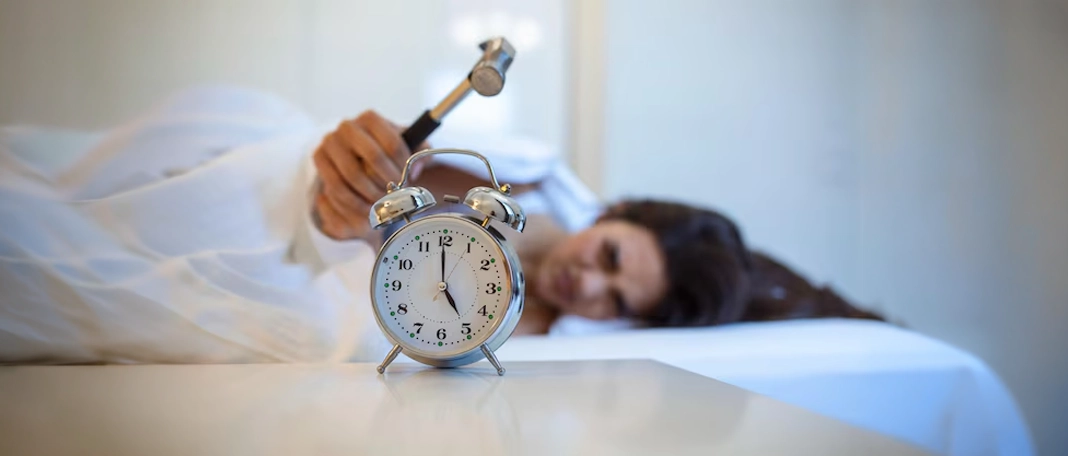
You wake up to the alarm.
You tap snooze.
Five minutes later, it rings again. And again.
For many people, snoozing your alarm feels like a small luxury, a few extra minutes of comfort before facing the day. But what feels harmless might be quietly affecting how your body wakes up.
So the real question is simple.
Is snoozing your alarm good or bad?
Let’s break it down.
What Happens When You Snooze Your Alarm?
When your alarm rings, your body begins the process of waking up.
But when you hit snooze, you interrupt that process.
Instead of waking fully, your brain tries to go back into a light sleep cycle. This cycle is short and often incomplete, which can leave you feeling more tired than before.
It’s like starting a conversation and being interrupted repeatedly. The message never quite settles.
Why Snoozing Feels So Good
There’s a reason why snoozing your alarm feels comforting.
During those extra minutes:
- Your body is still warm and relaxed
- Your mind is not fully alert
- You avoid the immediate stress of getting up
This creates a temporary sense of relief.
But that relief doesn’t always translate into better energy.
The Downsides of Snoozing Your Alarm

1. Sleep Fragmentation
Each snooze cycle interrupts your natural sleep rhythm. Instead of one clean wake-up, your body experiences multiple mini wake-ups, which can leave you feeling groggy.
2. Increased Morning Fatigue
Those extra minutes are not deep, restorative sleep.
They are shallow and often confusing for the brain, which can lead to:
- Heaviness
- Slower thinking
- Low energy
3. Disrupted Sleep Cycle
Your body follows a natural sleep-wake rhythm. Repeated snoozing can confuse this rhythm, making it harder to wake up naturally over time.
4. Higher Stress in the Morning
Ironically, snoozing to “relax” can create more stress.
Rushing after multiple snoozes can lead to:
- Anxiety
- Poor time management
- A chaotic start to the day
Are There Any Benefits of Snoozing Your Alarm?
Not everything about snoozing is negative.
In some cases, it can help:
- People who struggle with sudden wake-ups
- Those adjusting to new sleep schedules
For a few individuals, gradual waking through snoozing may feel more comfortable.
However, this benefit is limited and depends on personal habits.
Who Should Avoid Snoozing?
Snoozing may not be ideal for:
- People with poor sleep quality
- Those who feel tired even after enough sleep
- Individuals with irregular routines
If mornings already feel difficult, snoozing can make it worse.
Better Alternatives to Snoozing
If you want to wake up feeling more refreshed, small changes can help.
- Set one alarm and place it away from your bed
- Maintain a consistent sleep schedule
- Get natural light soon after waking
- Avoid screens before bedtime
These habits support a smoother wake-up without repeated interruptions.
So, Is Snoozing Your Alarm Good or Bad?

The answer depends on how often and why you do it.
Occasional snoozing is not harmful. But making it a daily habit can reduce sleep quality and affect your energy levels.
Your body prefers a clean start, not a fragmented one.
FAQs
Does snoozing your alarm make you more tired?
Yes, repeated snoozing can lead to grogginess because it interrupts sleep cycles.
Is it better to wake up immediately after the alarm?
Yes, waking up at the first alarm supports a more natural and consistent sleep pattern.
Why do I feel worse after snoozing?
Because the body enters incomplete sleep cycles that do not provide proper rest.
Is snoozing your alarm harmful?
Not occasionally, but frequent snoozing can affect sleep quality.
How many times is it okay to snooze?
It’s best to avoid multiple snoozes and wake up within one cycle.
Can snoozing affect productivity?
Yes, it can lead to a slower start and reduced morning focus.
How can I stop snoozing my alarm?
Try setting one alarm, improving sleep habits, and maintaining a routine.
Snoozing your alarm feels like a small comfort, but it can quietly shape how your day begins. A smoother morning often starts with a single decision, to wake up once, and wake up fully. Because sometimes, those extra five minutes don’t give you more rest. They just delay a better start.