
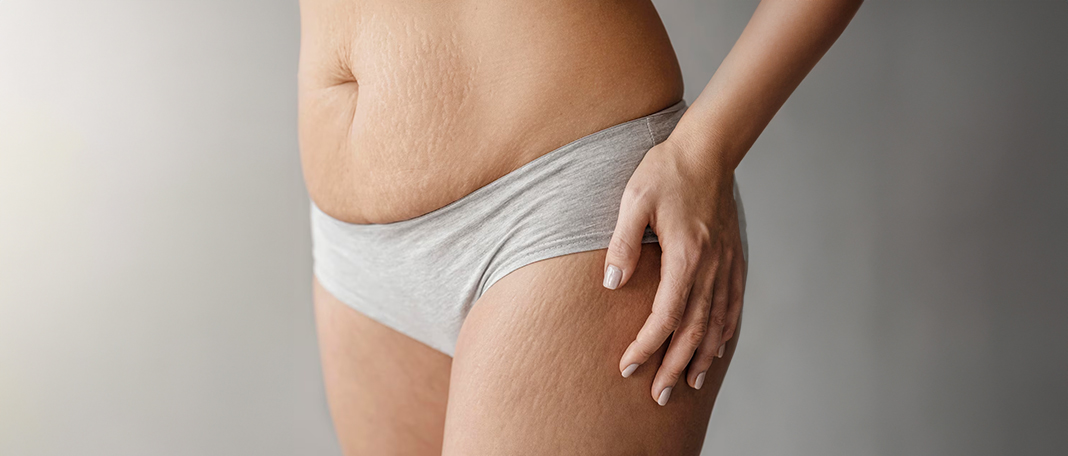
Those dimples and lumps most commonly seen on buttocks, thighs and hips, is a completely natural skin condition. Yet, it's often misunderstood and stigmatized. From blaming body weight to assuming it’s only a women’s issue, misinformation fuels shame and unrealistic beauty standards.
Let’s debunk the top 5 myths about cellulite with science-backed clarity and help you understand what's normal, what’s not, and what really works.
Myth 1: Only Overweight People Get Cellulite
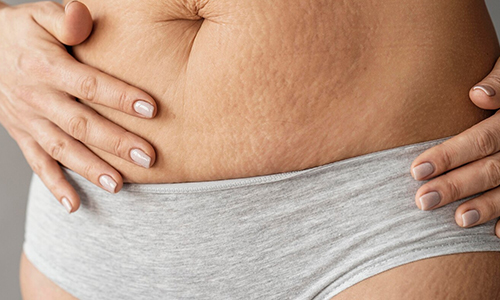
Truth: Cellulite affects people of all shapes and sizes.
Even those who are thin, athletic, or underweight can have cellulite. It's not just about body fat—genetics, skin structure, hormones, and age all play key roles. In fact, a study published in the Journal of Cosmetic and Laser Therapy found that up to 90% of women will experience cellulite at some point in their lives.
Myth 2: Cellulite Is Caused by Toxins in the Body
Truth: This is a marketing myth with zero scientific evidence.
No credible research links toxins to cellulite. They result from fat cells pushing through connective tissue beneath the skin, not a buildup of toxins. Detox teas and scrubs may reduce puffiness temporarily, but they do not treat the root cause of cellulite.
Myth 3: Only Women Get Cellulite
Truth: While more common in women, men can get cellulite too.
The reason women are more prone is due to differences in fat distribution, connective tissue patterns, and hormones—especially estrogen. But some men, particularly those with lower testosterone levels or higher body fat percentages, can develop cellulite as well.
Myth 4: Cardio or Weight Loss Will Eliminate Cellulite
Truth: Weight loss may reduce its appearance, but won't erase it.
Regular exercise can help tone muscles and reduce fat, making cellulite less noticeable. But it won't "cure" it, especially if you’re genetically predisposed. A combination of strength training, hydration, and a healthy diet can improve skin texture over time, but won’t completely eliminate cellulite.
Myth 5: Cellulite Is a Sign of Poor Health
Truth: Cellulite is a cosmetic issue, not a health issue.
There is no evidence that cellulite is harmful or a sign of poor health. Many healthy, fit individuals have it. It's a normal physiological condition, not a disease or indicator of something going wrong in your body.
Expert Insight: What Actually Works?
While there is no miracle cure for cellulite, some dermatologist-approved treatments may improve its appearance:
- Laser treatments (Cellulaze) – break up the tough bands under the skin
- Topical retinol creams – help thicken the skin, reducing dimpling
- Acoustic wave therapy – improves skin elasticity and breaks fibrous bands
- Massage and lymphatic drainage – temporarily reduce swelling and fluid retention
However, results vary, and none offer permanent removal. Always consult a dermatologist before starting any treatment.
People Also Ask
Who is more prone to cellulite?
Women, especially post-puberty, due to hormonal shifts and fat distribution patterns.
Can men get cellulite?
Yes, though it’s less common due to differences in connective tissue structure and fat distribution.
Can drinking water help reduce cellulite?
Hydration may help plump the skin and reduce the visibility of dimples, but it won’t eliminate cellulite.
Who should avoid cellulite treatments?
People with skin infections, circulatory issues, or certain allergies should consult their doctor before undergoing any procedure.
Is cellulite reversible?
It can be reduced in appearance but not entirely reversed. Lifestyle changes and treatments can help manage it.
Cellulite is not your enemy—misinformation is. Embrace what’s natural and challenge beauty myths with science. Your body is not flawed because it shows signs of being real.