

Emotional eating, also known as stress eating, eating to cope, or emotional overeating, happens when there’s a tendency to eat in response to positive or negative emotions. So, it can occur even if you are in a happy mood or celebrating an achievement. Some people refer to it as one of the eating disorders. Others call it a maladaptive strategy or a coping mechanism. Here are some fascinating things you can learn about emotional eating.
Who Is Affected the Most?

When it comes to eating under stress, teens are said to be more numerous than younger adults. This is because adults tend to have a meal routine that is more routine than teens. It is one of the reasons why the rates of eating disorders are higher in teens when compared to adults. As per research, people who skip their breakfast are most likely to develop eating disorders.
Unhealthy eating habits like emotional eating can lead to obesity, diabetes, heart disease, etc. Therefore, analyzing the symptoms and finding the right solutions to resolve emotional eating problems are crucial steps in leading a healthier life.
Symptoms of Emotional Eating

Wanting food without any reason, just because you are bored or emotional are some of the signs of emotional eating. To find out if you are practicing emotional eating, look out for these signs:
- A change in your eating habits, especially when you are stressed
- Eating because you are craving and not hungry
- You overeat to overcome negative emotions or situations
- Overeating to feel good
- Using food as an excuse for having a bad day
Causes of Emotional Eating
One of the first steps to stop emotional eating is to find what triggers it. Knowing it makes it easy to understand and handle the disorder. Here are a few common causes of emotional eating.
1. Stress
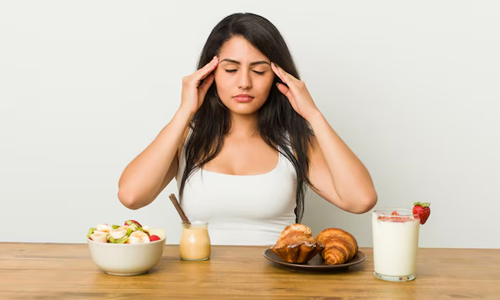
When you are stressed, your body produces high levels of the stress hormone, cortisol. Cortisol is something that triggers cravings for salty, sweet, and fried foods that give us a burst of energy and pleasure. The more there is uncontrolled stress, the more you are going to stress eat.
2. Stuffing Emotions

Stress eating or emotional eating can be a temporary way of silencing or shutting down negative emotions like fear, anger, sadness, anxiety, loneliness, or shame. These can be one of the trigger points that make you stress eat. It's better to find the root cause of these emotions and deal with them, thereby avoiding emotional eating.
3. Feeling Bored or Empty

Many individuals tend to overeat when they are bored or feel empty. During such occasions, overeating helps distract them from boredom. Also, there is an immediate change in mood when the stomach is filled. This is one of the main reasons why some people reach out for sugary snacks or high-fat foods when they are bored.
4. Childhood Activities

When you look back at your childhood memories of food, your parents would have rewarded you for good behavior with some snacks you liked. Sometimes these habits get carried over into adulthood.
5. Social Influences

Getting together with friends can be a way to relieve stress, but this can also lead to overeating.
It is easy to overeat when you are gossiping or discussing a topic with your friends.
On the other hand, social anxiety and nervousness can also lead to stress eating, which can become a regular habit over time.
6. Feeling Fatigue

Sometimes, you start overeating mindlessly when you are fatigued.When you get tired of doing the same old things that make you feel unpleasant, food becomes the answer or the solution to fatigue. When you stress eat at this time, it gives you pleasure and peace.
Side Effects of Emotional Eating
If you are a person who practices emotional eating frequently, it may lead to a lot of side effects like the following:
1. Feeling Guilty

After stress eating, the sense of guilt is something that makes you feel bad. It would make you regret eating all that food. This feeling has the potential to lead you to emotional eating outbursts or low self-esteem.
2. Nausea

Those who overeat when they are feeling stressed or anxious face stomach issues or can have nausea. The impact of emotional eating can sometimes be severe and can put you in symptoms even days after eating a larger amount of food during a short period.
3. Weight Related Issues

Repetitive emotional eating can result in weight-related health issues. Diabetes, high blood pressure, fatigue, and heart problems are some of the examples of how your body gets affected by overeating.
Tips to Manage Stress Eating
Managing emotional eating can be hard, but if you make use of these tips, overcoming it would be an easy task.
- The first step is to find what makes you stress eat and how you can find a replacement for it.
- Before rushing to eat, pause and think if you are hungry. Sometimes, hunger can occur due to the following instances:
- If you are bored or lonely, make sure you distract yourself by calling or texting a friend or a family member.
- If you are very stressed, indulge yourself in physical activities like yoga, walking, or going for a run. You can also try listening to music and blowing off some steam by dancing around until the urge to eat leaves.
- If you are tired, create a proper bedtime routine. Set a time that gives you enough sleep, and make sure you turn off your electronic devices an hour before bedtime.
- Keeping a food diary can help you monitor how much you eat, what you eat, and how you feel when you are hungry. Later on, this might help you see patterns that show the connection between mood and food.
- Have healthy snacks handy if you want to eat in between meals. Choose healthy snacks like fresh fruits, and vegetables with low-fat dips, nuts, or unbuttered popcorn. You can also try out lower-calorie versions of your favorite foods to satisfy your cravings.
- Learn from your setbacks by making a plan on how to prevent it in the future. Focus on all the good changes that you make in your eating habits and give yourself the credit you deserve to do better.
Difference Between Physical Hunger and Emotional Hunger
It is important to understand the difference between physical hunger and emotional hunger. This can help you differentiate when you are really hungry and when it is emotional.
| Emotional Hunger | Physical Hunger |
| It comes suddenly, giving you the urgency to eat. | Hunger comes on gradually, and that can be controlled. |
| Getting hungry because of strong emotions, like anxiety, stress, anger, sadness, or joy. | Hungry because of a physical sensation in the body like a rumbling stomach |
| Emotional hunger causes cravings for specific comfort foods. | Can be satisfied with any food given. |
| It makes you eat more than you would normally. | You will stop eating when your stomach is full. |
| Emotional eating gives feelings of guilt, powerlessness, and shame. | Eating to satisfy physical hunger doesn’t make you feel bad about yourself. |
Conclusion
Emotional eating can be avoided when you find possible ways to distract yourself. Developing healthy habits, and knowing the differences between physical eating and emotional eating are some steps towards curing this disorder. When you start taking these steps you will become physically and mentally well.