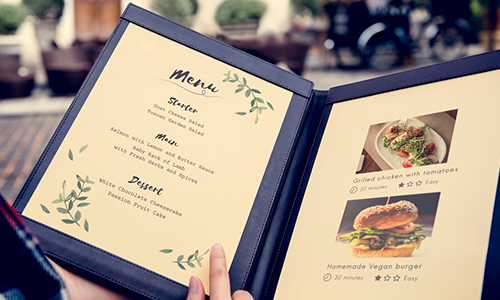
When you sit down at a restaurant and glance at the menu, you may believe you're freely choosing what to eat. But in reality, there are subtle tricks that influence what we eat at restaurants, and they’re more powerful than you think.
Menus are designed with a deep understanding of psychology, nutrition behavior, and marketing strategies. These techniques guide your eyes, stir your emotions, and even trick your brain into craving specific items—often the most profitable (or not-so-healthy) ones.
Let’s decode how restaurants nudge your choices without you even realizing it.
1. Strategic Menu Placement (The Golden Triangle)
Studies show that our eyes typically read menus in a pattern called the "Golden Triangle"—we first look at the center, then the top right, and finally the top left.
Restaurants place their most profitable (and often most indulgent) dishes in these zones.
Fact: According to a study by the Cornell University Food and Brand Lab, customers are 25% more likely to order an item placed in one of these three key zones.
2. Using Sensory and Descriptive Language
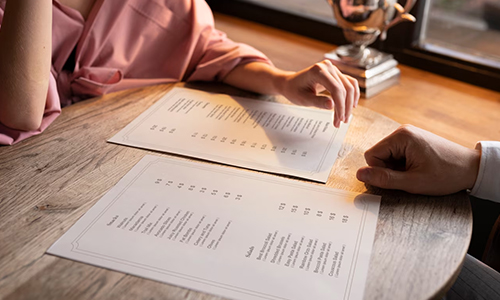
“Succulent, hand-crafted, slow-roasted, velvety”—ever wonder why some menu descriptions read like poetry? That’s intentional.
Using descriptive language creates a more vivid mental image and triggers emotional responses. It also makes dishes seem tastier, even if they're not significantly different from the plain-sounding items.
Expert Insight: Research from the University of Illinois found that descriptive labels increased sales by up to 27% and improved customer satisfaction.
3. Price Placement without Currency Symbols
One sneaky trick is removing the dollar sign or placing prices discreetly. Instead of seeing $14.00, you’ll see just 14 or Fourteen spelled out. This softens the psychological impact of spending money.
Psych Trick: A study in the Cornell Hospitality Quarterly revealed that guests spent significantly more when dollar signs were omitted.
4. Highlighting High-Profit Items
Boxes, bold fonts, and eye-catching icons are often used to draw your attention to specific items. But don’t be fooled—these aren’t the chef’s favorites; they’re usually the highest-margin dishes.
Observation: That boxed “chef’s special” might just be a low-cost dish with a high price tag.
5. Healthy Decoy Options
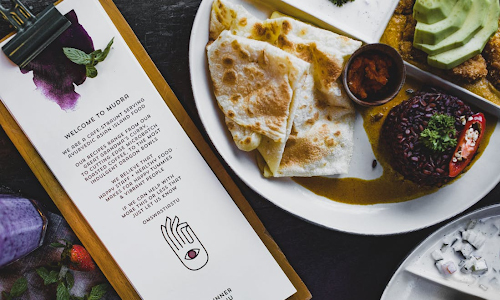
Menus sometimes include a few healthy dishes—not necessarily to sell them, but to make the other items look more appealing. This is called the "decoy effect."
When a healthy salad is on the menu, diners feel they have made a healthy decision—even if they end up ordering the triple-cheese burger.
6. Fancy Fonts and Minimalist Layouts
Elegant fonts and white space can make dishes appear more upscale. In fact, minimalistic, uncluttered menus often make customers trust the food quality more, and are more likely to spend more.
Design Insight: A 2020 study from Oxford University found that clean menu designs were associated with “premium quality” in the customer’s mind—even before tasting the food.
7. Portion Psychology and Bundling
Menus may offer combo meals or “small plates” to make you order more. Phrases like “just $2 more for double the portion” sound like a deal, but they encourage overeating and overspending.
Expert Warning: Oversized portions are a major contributor to rising obesity levels, says the CDC. Menu bundling is a silent player in this trend.
People Also Ask
1. Why do restaurants design menus to influence our choices?
Because it boosts profit margins. Menu engineering helps restaurants sell high-margin items and enhance customer experience, often leading to increased revenue.
2. Are menu tricks unethical?
Not necessarily. While the goal is to guide choices, it’s up to the diner to make informed decisions. Being aware of these tricks puts the power back in your hands.
3. Do healthier items get overlooked because of these tricks?
Yes. Healthy items are rarely highlighted unless the restaurant specifically markets itself as health-conscious. Indulgent or high-profit foods tend to dominate key visual areas.
4. How can I make healthier choices at restaurants?
Look for grilled, steamed, or baked dishes. Ignore boxes or highlighted items, and read beyond the “golden triangle.” Ask for nutritional info if available.
5. Are children’s menus also influenced this way?
Absolutely. Even kids' menus use bright colors, mascots, and fun fonts to attract attention. These are also influenced by market research on children's preferences.
Understanding the tricks that influence what we eat at restaurants empowers you to make smarter, healthier choices. Whether it's skipping the boxed “special” or questioning that fancy-sounding dessert, staying one step ahead of the menu game can save your wallet—and your waistline.
So, next time you’re dining out, don’t let the menu do the choosing for you. Choose with your brain, not just your cravings.