If you’re a parent, you already know how tricky it can be to make kids take their medicines—especially when they spit it out, cry, or run off at the very sight of the bottle. I’ve seen my neighbor literally chase her toddler with a spoonful of syrup! Teaching kids how to take medication isn’t always a smooth journey, but there are clever ways to get through it. Here are 10 practical tips I’ve gathered from real parents (including a few I've tried myself) to help you turn medicine time into a win.
1. Mix It With Something Tasty (When Safe)
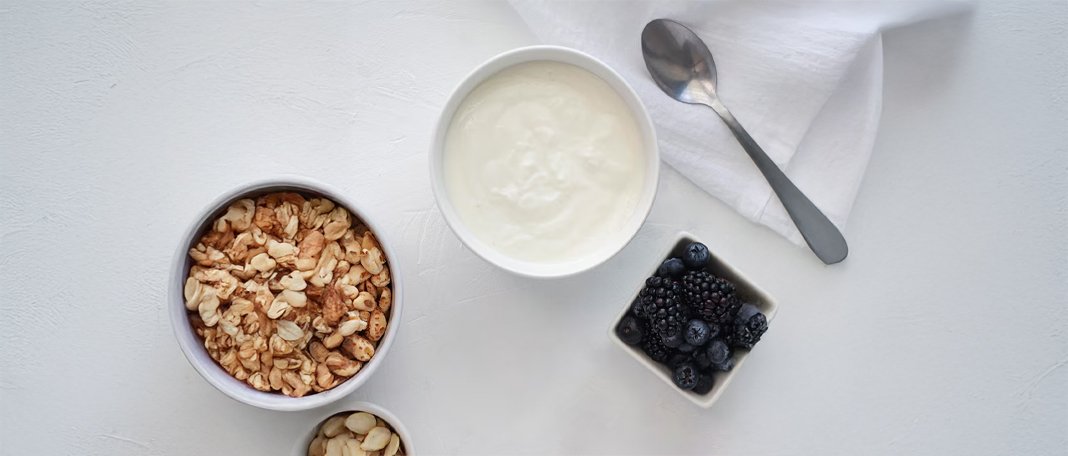
One of my friends swears by mixing her son’s antibiotics with a spoon of applesauce or yogurt. If your doctor or pharmacist gives the go-ahead, a little flavor boost can help make kids take their medicines more willingly.
Always check with your pediatrician before mixing medicines with food.
2. Use a Medicine Dropper or Syringe
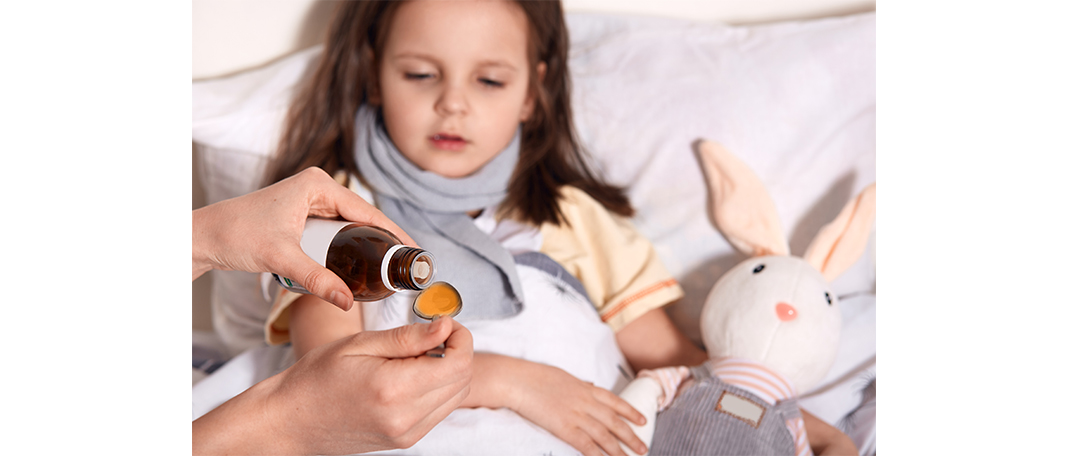
My cousin uses a small medicine syringe to squirt the syrup gently into the side of her baby’s cheek—it reduces gagging and makes it less scary than a spoon. This tip works wonders when helping kids take medicine who are too young to understand.
3. Turn It Into a Game
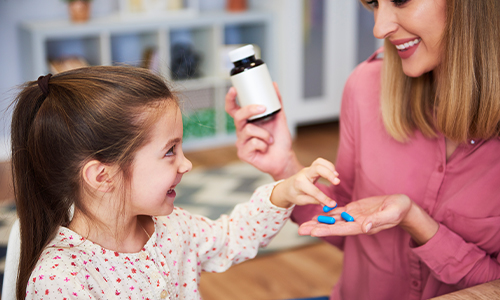
A colleague of mine created a superhero challenge for her 5-year-old: “Superheroes take their potion to gain strength!” It worked like magic. When you turn it into play, you're teaching kids how to take medication without resistance.
4. Use a Reward Chart
We had a sticker chart on the fridge. Every time my daughter took her medicine without a fuss, she earned a sticker. After five stickers? A small treat!
5. Let Them Choose
Another mom I know gives her child a choice: “Do you want to take it from the blue spoon or the green spoon?” Giving your child a sense of control—no matter how small—helps reduce their anxiety about the process.
6. Chase It With a Favorite Drink
This works for bitter medicines. One dad I spoke to lets his son sip on a juice box right after the medicine. It helps mask the taste and makes the experience feel less awful.
7. Explain Why Medicine Helps
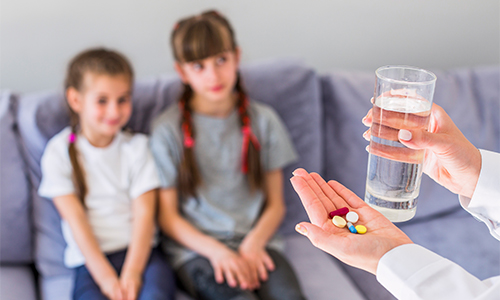
For older kids, explaining in simple words that the medicine helps them feel better or fight the “germs” inside can really help. My friend’s 6-year-old finally agreed to take her cough syrup after being told it was like an army fighting her sickness.
8. Stay Calm and Matter-of-Fact
I've noticed that if I act anxious, my daughter picks up on it and resists more. One nurse advised me to treat medicine time just like brushing teeth—no drama, no pressure.
9. Try Flavored Medicines
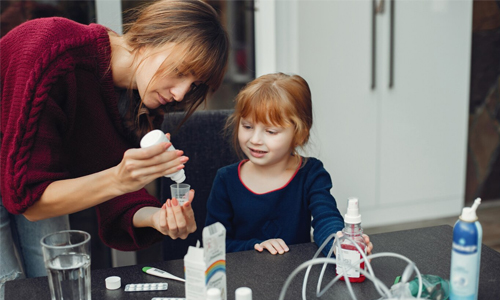
Ask your pharmacist about flavor options. I didn’t even know you could get bubblegum-flavored antibiotics until a fellow mom clued me in!
10. Use Positive Reinforcement
Praise goes a long way. Even a simple, “I’m proud of you for being brave” made my child beam and made the next dose easier.
Questions I Had Too (Until I Figured It Out!)
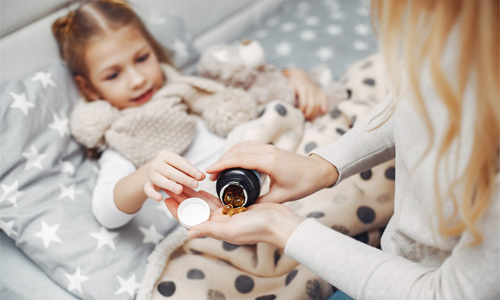
How do I get my child to take medicine without spitting it out?
Use a syringe to gently squirt the medicine into the side of the mouth near the cheek, not the tongue. Follow it with a sip of juice or a favorite drink.
Why does my child refuse to take medicine?
Kids may dislike the taste, fear the process, or not understand its importance. Staying calm, using flavors, and offering rewards can help ease this.
Can I mix medicine with food to help my child take it?
In many cases, yes. Applesauce, pudding, or yogurt can mask the taste. But always ask your pediatrician first as some medicines lose effectiveness when mixed.
Are there kid-friendly alternatives to liquid medicine?
Yes! Some medications come in chewables, dissolvable tablets, or even patches. Ask your doctor about age-appropriate alternatives.
How do I explain the importance of medicine to my child?
Use relatable language: “This helps you feel better,” or “It’s like a shield that fights off the sickness.” Tailor your message to their age.
Is it okay to bribe kids to take medicine?
Rather than calling it a bribe, think of it as a reward. Positive reinforcement like praise, stickers, or a small treat can build better habits.
What if nothing works?
If your child consistently refuses medicine, talk to your pediatrician. There may be alternative formulations or techniques to try.
Getting kids to take their medicine isn’t always smooth sailing, but with patience and a few clever tricks, it’s completely doable. Whether it’s using a syringe, making it a game, or offering a reward, there’s always a way to make medicine time a little less stressful—for both you and your child. Every parent finds what works best through trial, error, and a lot of love.