

Heel pain rarely announces itself loudly at first. It starts quietly. That sharp sting when you step out of bed. The ache after standing too long. The discomfort that fades as you move, then returns when you stop.
For many people, this pattern points to plantar fasciitis pain in heel.
Plantar fasciitis happens when the thick band of tissue running along the bottom of your foot, the plantar fascia, becomes irritated or strained. This tissue supports your arch and absorbs shock. When overloaded, it protests.
The good news is that most cases improve with consistent care. Not aggressive treatment. Just the right kind of attention.
Here are five practical ways to treat, manage, and prevent plantar fasciitis pain in heel, without rushing the healing process.
1. Start With Morning Foot Stretching (Before You Stand)

One of the biggest mistakes people make is stepping out of bed too quickly. Overnight, the plantar fascia tightens while your foot rests. The first step stretches it suddenly, causing pain.
Before standing:
- Gently point and flex your toes
- Rotate your ankles slowly
- Pull your toes toward you with your hand for 20–30 seconds
This prepares the fascia before it carries your body weight. Think of it as warming up before movement, not pushing through pain.
2. Choose Footwear That Supports, Not Just Cushions

Soft footwear alone is not enough.
Many people switch to cushioned slippers or sandals, thinking softness equals healing. But without arch support, the plantar fascia keeps working overtime.
- Firm arch support
- Slight heel elevation
- Stable soles that do not bend easily
Avoid walking barefoot on hard floors during recovery. Even at home, your feet need structure. Support reduces strain. Cushioning only reduces impact.
3. Use Cold Therapy to Calm Inflammation
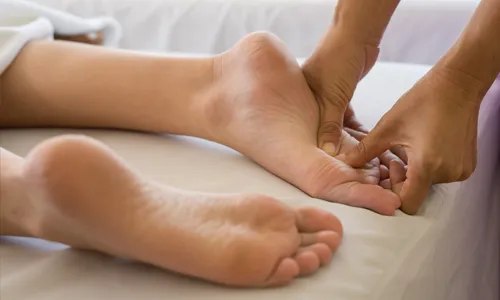
Plantar fasciitis pain in heel often involves low-grade inflammation.
Cold therapy helps calm irritated tissue and reduce pain signals.
- Roll your foot over a frozen water bottle
- Apply a cold pack for 10–15 minutes
- Do this once or twice daily, especially after long standing
Cold works best when used consistently, not only when pain peaks.
4. Strengthen the Foot and Calf Muscles Slowly

Weak foot and calf muscles force the plantar fascia to compensate. Strengthening improves load distribution and reduces recurrence.
- Towel curls using your toes
- Calf raises while holding support
- Stretching the Achilles tendon
Pain should never spike during exercises. Mild pulling is acceptable. Sharp pain is not. Healing happens through gradual strengthening, not force.
5. Reduce Daily Triggers That Keep Re-Irritating the Heel

Treatment does not work if the cause remains.
- Standing for long hours without breaks
- Sudden increase in walking or exercise
- Worn-out shoes
- Excess body weight placing constant stress on the heel
Short breaks, alternating footwear, and pacing activity allow tissue repair to continue. Rest is not inactivity. It is strategic recovery.
Can You Prevent Plantar Fasciitis Pain in Heel?
Yes, in many cases.
- Maintaining healthy foot strength
- Wearing supportive footwear
- Stretching calves and feet regularly
- Avoiding sudden activity spikes
Once the pain settles, continuing these habits reduces the chance of recurrence.
When Should You Seek Medical Help?

If heel pain:
- Persists beyond a few weeks
- Worsens despite rest and care
- Occurs with swelling, redness, or numbness
A healthcare professional can rule out fractures, nerve issues, or inflammatory conditions that mimic plantar fasciitis.
FAQs
How long does plantar fasciitis pain in heel take to heal?
Most cases improve within weeks to a few months with consistent care. Recovery depends on activity level, footwear, and adherence to stretching and strengthening routines.
Is walking good or bad for plantar fasciitis?
Gentle walking is fine, but prolonged standing or sudden increases in walking can worsen symptoms. Balance movement with rest during recovery.
Can plantar fasciitis heal without medication?
Yes. Many people recover through stretching, supportive footwear, cold therapy, and activity modification without medication.
Are night splints helpful?
Night splints can help some people by keeping the plantar fascia gently stretched overnight, reducing morning pain.
Does weight affect plantar fasciitis pain in heel?
Excess weight increases stress on the plantar fascia. Even small, gradual weight reduction can significantly reduce heel strain.
Can plantar fasciitis return after healing?
Yes, if triggers return. Continuing preventive habits is key to long-term relief.
Plantar fasciitis pain in the heel does not heal through force or impatience. It heals when the foot feels supported, stretched, and respected again.