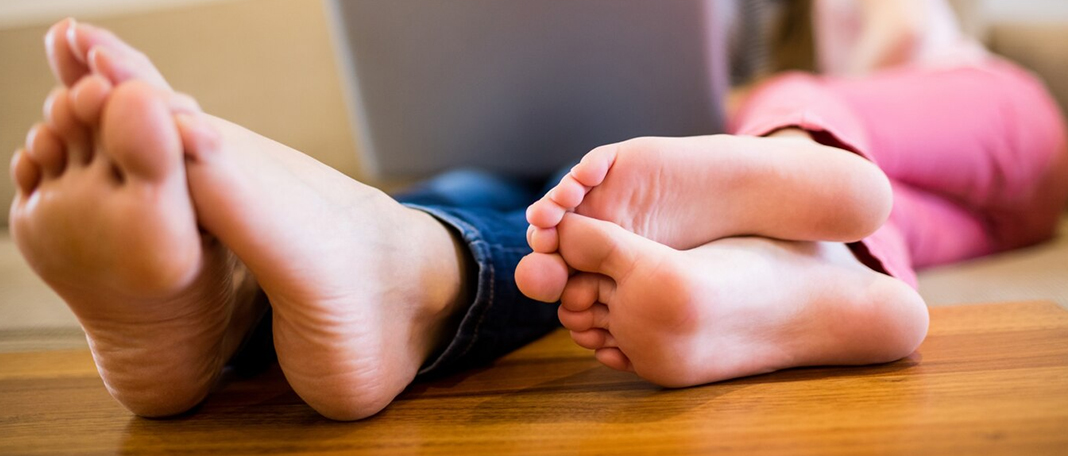
A corn is a localized, thickened area of skin that forms as a protective response to repetitive pressure or friction. While they are essentially a group of dead skin cells, they can become incredibly painful when they press against sensitive nerves in the toes or fingers.
Many women experience corns due to the continuous wear of tight-fitting heels, but even athletes and young adults are susceptible. If you are struggling with foot pain, don't fret. In this guide, we will discuss how to remove corn from foot safely and how to keep them from coming back.
7 Effective Home Remedies for Foot Corn Removal
For most healthy individuals, treating the source of the pressure allows the corn to be managed at home. Here are the most effective DIY foot care strategies:
1. The Pumice Stone Method
This is widely considered the gold standard for home corn removal.
-
The Process: Soak your feet in warm, soapy water for 10–15 minutes until the skin softens. Gently rub the tough skin away using a pumice stone in a circular or side-to-side motion.
-
Caution: Do not take off too much skin at once, as this can lead to bleeding and infection.
2. Vinegar Soaks
Vinegar’s high acidity helps soften the hard keratin of the corn.
-
The Process: Soak a cotton ball in white vinegar and secure it to the corn with a bandage overnight. In the morning, use a pumice stone to gently scrub the area.
3. Petroleum Jelly for Softening
If you prefer a gentle, long-term strategy, petroleum jelly is key. Regularly moisturizing the affected area prevents the skin from hardening further. Apply it before bed and wear cotton socks to lock in the moisture.
4. Baking Soda Foot Pack
Baking soda acts as a natural exfoliant.
-
The Process: Mix 3 parts baking soda with 1 part water to create a paste. Apply it to the corn as a foot pack overnight, or add baking soda to a warm foot soak to loosen dead skin cells.
5. Lemon Juice Therapy
The citric acid in lemon juice helps break down the "plug" of the corn.
-
The Process: Apply fresh lemon juice directly to the corn, let it dry, and repeat. Over time, the hard skin will begin to flake away.
-
Related Reading: Explore the [Top 5 Health Benefits of Lemon Juice].
6. Cushioning with Lamb’s Wool
For corns located between the toes (soft corns), friction is the enemy. Placing a small wad of lamb’s wool or cotton between the toes provides a cushion that prevents the corn from becoming irritated.
7. Protective Corn Pads
Doughnut-shaped foam pads can be used to redistribute pressure away from the corn.
-
Expert Warning: Use caution with medicated corn pads containing salicylic acid. These can irritate healthy surrounding skin. Always consult a podiatrist before using medicated versions.
The Critical Rule: Diabetic Foot Care
If you have diabetes, poor circulation, or peripheral neuropathy, do not attempt home corn removal. For diabetic patients, a minor scrape can quickly escalate into a non-healing ulcer or infection. Maintaining proper foot hygiene is vital, but any corn removal should be performed under the supervision of a licensed podiatrist.
How to Prevent Corns from Reappearing
Treating the corn is only half the battle; you must eliminate the cause.
-
Choose the Right Shoes: Wearing shoes that are too tight or too loose causes friction.
-
Internal Link: Check out our [6 Tips to Buy the Perfect Running Shoes] for a better fit.
-
Trim Your Toenails: Long nails force the toes to push against the shoe, creating pressure points.
-
Moisturize Daily: Soft skin is less likely to undergo the "hyperkeratosis" that leads to corns.
-
Keep Feet Dry: Use foot powder to reduce moisture, especially between the toes.
When to See a Podiatrist
If your corn is bleeding, discharging fluid, or causing severe pain that interferes with your walking, it is time for professional help. A podiatrist can perform a painless "paring" of the corn using a sterile blade or, in chronic cases, recommend a minor surgical procedure to correct the underlying bone structure.
Frequently Asked Questions (FAQs)
Do corns go away without treatment?
Mild corns may improve if you eliminate the pressure source (e.g., switching to wider shoes), but persistent corns usually require intervention.
Are corns the same as calluses?
No. Corns are smaller, deep-seated, and usually painful. Calluses are broader, flatter, and rarely cause sharp pain.
Does apple cider vinegar help?
Yes, much like white vinegar, the acidity helps soften the dead skin cells for easier removal with a pumice stone.
What causes corns on feet?
Pressure and friction from tight shoes, abnormal gait, or repeated rubbing lead to hardened skin patches (corns).
Do corns go away without treatment?
Sometimes mild corns improve on their own if pressure is relieved, but persistent ones often need care.
Can you use home remedies to remove corns?
Yes — soaking, moisturizing, pumice gently, and cushioning can help soften and reduce corns naturally.
When should you see a doctor for a corn?
Consult a podiatrist if it’s painful, bleeding, infected, or doesn’t improve with home remedies after weeks.
Are corns the same as calluses?
No — corns are smaller, concentrated and often painful; calluses are broader, flatter, and less sensitive.
Can diabetic patients treat corns at home?
Only with physician approval. People with diabetes are at risk of infections; always consult a doctor before any foot remedy.
Does salicylic acid work for corns?
Yes — in mild cases, salicylic acid pads soften corns so they peel off. Use carefully and avoid in certain conditions (diabetes, thin skin).
Prevention is always better than cure in the case of corns too. But if you cannot prevent corns, try using our home remedies to cure them!