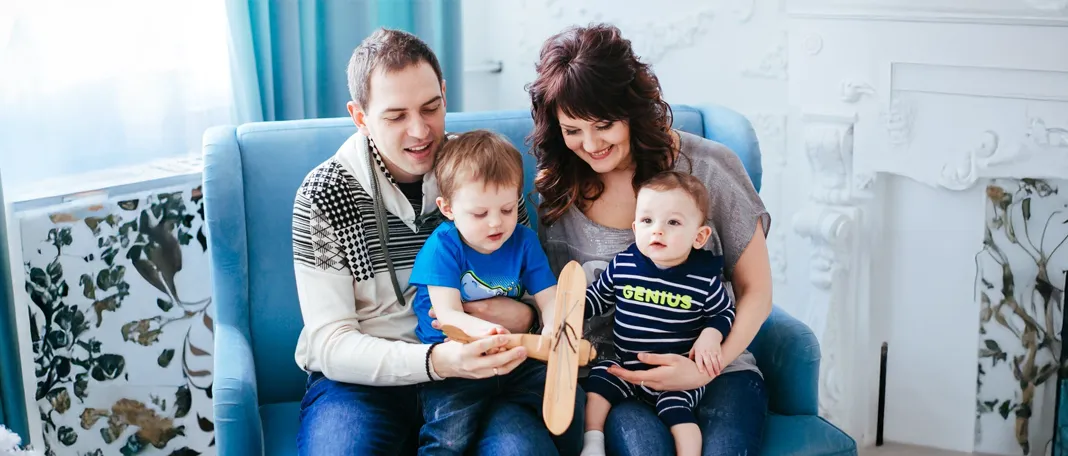
Most parents never plan to love one child more than another. Yet parental favoritism often develops quietly inside families.
It shows up in small, repeated moments.
>Who gets defended more quickly?
>Who gets corrected more gently?
>Who is trusted without question.
>Who is always labeled “difficult.”
Children notice these patterns long before adults do.
And while parents may assume children will simply outgrow it, the emotional effects often follow them into adulthood.
What Is Parental Favoritism?
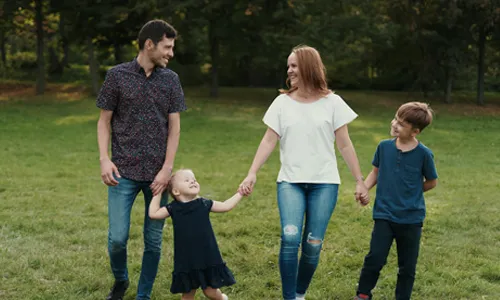
Parental favoritism happens when a parent consistently treats one child more positively than another.
- More praise or attention
- Less discipline
- Higher expectations placed on one child
- Greater emotional closeness
- Labels like “the smart one” or “the troublemaker”
Even when unintentional, children experience favoritism as unequal love.
Why Parents Show Favoritism (Often Without Realizing It)
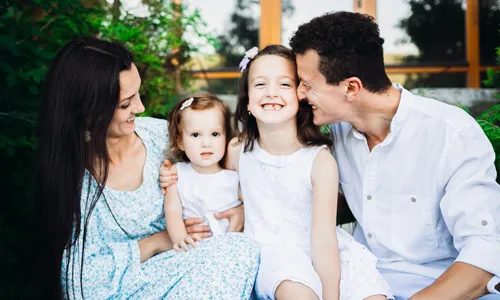
Most parents do not choose favorites deliberately.
- One child feels easier to manage
- A child’s personality mirrors the parent’s
- One child requires less emotional energy
- Parental stress, burnout, or unresolved trauma
- Birth order and family roles
Understanding the reason is not about blame. It is about awareness.
How Parental Favoritism Affects Children
Children respond differently depending on their role in the family.
The Favored Child
- Feels pressure to stay “perfect”
- Develops fear of failure
- May feel guilt or entitlement
- Can struggle with emotional resilience
The Less-Favored Child
- Feels unseen or unworthy
- Develops low self-esteem
- Carries resentment or anger
- Struggles with trust and relationships
Both children are affected. Favoritism harms everyone involved.
5 Ways Parents Can Stop Parental Favoritism

1. Notice Patterns, Not Intentions
Good intentions do not cancel emotional impact.
Instead of asking, “Do I love my children equally?”
Ask, “Do I respond to them equally?”
- Who you praise automatically
- Who you correct quickly
- Who you believe first during conflicts
Awareness is the first step toward change.
2. Separate Behavior From Identity
Avoid defining children by labels such as:
- “She’s the responsible one”
- “He’s always lazy”
Children often grow into the identities parents assign. Address specific behaviors without defining the child’s character.
3. Create One-on-One Emotional Time
Children do not measure love by quantity. They measure it by presence.
Even short, focused one-on-one time helps children feel seen and valued, reducing comparison and rivalry.
4. Handle Conflict Without Automatically Taking Sides
Many parents instinctively side with the child they understand more.
Pause before reacting.
Listen fully to both children.
Acknowledge feelings without assigning blame.
Feeling heard matters more than being proven right.
5. Acknowledge Mistakes and Apologize
Parents rarely apologize to children, but it can be deeply healing.
Saying:
“I realize I was unfair.”
“I’m working on doing better.”
This builds trust and emotional safety, not weakness.
Can Parental Favoritism Be Reversed?

Yes, and it is never too late.
Even adult children feel relief when parents acknowledge past imbalance.
Repair may not erase the past, but it softens its emotional impact.
Consistency over time rebuilds trust.
FAQs
Is it normal to feel closer to one child?
Yes. Emotional closeness is natural, but consistently acting on it can harm children and sibling relationships.
Can favoritism affect children in adulthood?
Yes. It can impact self-worth, relationships, emotional regulation, and long-term mental health.
What if children accuse parents of unfair favoritism?
Children express emotional experience, not legal facts. Listening calmly often reveals unmet emotional needs.
Does birth order influence parental favoritism?
Often, yes. Birth order shapes expectations, but awareness helps prevent unequal treatment.
Can favoritism exist in loving families?
Yes. Love does not prevent bias. Awareness and correction do.
Should parents talk openly about favoritism with children?
Yes, in age-appropriate ways. Honest conversations reduce resentment and help rebuild trust.
Parental favoritism is rarely about love.
It is usually about habits, stress, and blind spots. And the moment a parent chooses awareness over defensiveness, healing begins.