
Parenting a child with autism comes with its own set of unique challenges and joys. Every child on the autism spectrum is different, as is every parent’s approach. While there’s no one-size-fits-all parenting style, hearing from parents who have faced these challenges can provide insight and inspiration. Today, I want to share real stories of parents who have adapted their parenting styles to support their children with autism best. I’m sure this will answer your question to “what parenting style is good for autism?”
Why Parenting Styles Matter for Autism—Emily and John, Los Angeles
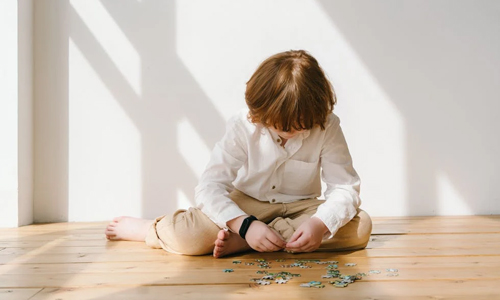
Emily and John, a couple from Los Angeles, discovered early on that their son, David, thrived on routine. After consulting with specialists and reading up on different parenting approaches, they found that David responded best when they combined authoritative parenting—clear boundaries with lots of love—and structured routines. For instance, they’d follow the same steps every evening before bed: a bath, storytime, and then lights out at exactly 8 PM. If they deviated from the routine, David would become anxious, but he felt safe and secure with consistency.
“David needed predictability,” Emily explained. “We started using visual schedules, and it made such a difference. He knew what to expect, and that lowered his anxiety.”
Emily and John’s experience shows why parenting styles matter so much for children with autism. It’s not about strict rules or permissiveness—it’s about creating a structure where the child knows they’re safe and they’re loved.
If you’re curious about autism’s early signs, read our blog on the Signs of Autism in Babies.
Authoritative Parenting—Samantha, Inglewood
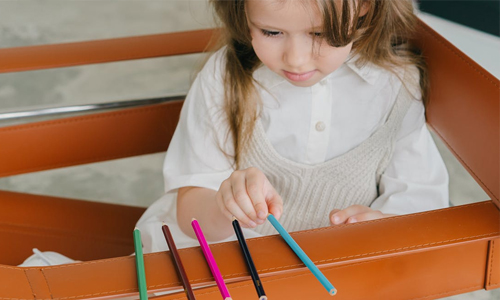
Samantha, a single mother from Inglewood, found that an authoritative parenting style worked wonders for her daughter, Mia. Mia was diagnosed with autism when she was 4, and as Samantha navigated those early days, she learned that a balance of firm boundaries and emotional support helped Mia feel secure.
“When Mia didn’t make eye contact or avoided social interactions, I didn’t push her,” Samantha shared. “Instead, I set clear rules around bedtime and screen time, but I also made sure she knew I was there to support her, even when she couldn’t express her emotions.”
Authoritative parenting, which emphasizes clear guidelines alongside warmth and emotional support, helped Samantha foster an environment where Mia could grow at her own pace without feeling overwhelmed.
“The balance of structure and love was key for Mia. She needed to know what was expected of her but also that she had the space to be herself.”
To learn more about why eye contact can be difficult for children with autism, check out our article on Why Eye Contact is Difficult for People with Autism.
Gentle Parenting Techniques for Autism—Lisa and Mark, New York City
Lisa and Mark, a couple from New York City, took a different approach with their son, Ethan. They found that gentle parenting—which focuses on patience, understanding, and respect—was the best way to connect with Ethan, who often struggled with emotional outbursts.
“Ethan has big feelings, and it can be tough to express them,” Lisa explained. “When he’s overwhelmed, we don’t force him to talk or punish him for his emotions. Instead, we validate his feelings and give him the space he needs.”
The couple also uses gentle language when setting boundaries. Instead of saying “No, you can’t do that,” they’ll say, “I see you want to do this, but right now, we need to focus on something else.” This approach has helped Ethan feel heard and understood, reducing his frustration.
Gentle parenting has proven effective for children like Ethan, who need patience and understanding to manage their emotions. It can reduce stress and encourage positive behavior.
Structure and Routine—Amanda and David, Nashville

Amanda and David from Nashville discovered that their son, Noah, thrived when they introduced a structured, predictable daily routine. Noah, who is 8 years old and on the autism spectrum, became anxious when there were sudden changes to his schedule. Still, once his parents established a routine, his anxiety levels dropped significantly.
“Noah needed consistency,” David shared. “We implemented a daily routine that involved a visual schedule for every part of the day. He knew when it was time to eat, time to play, and time to rest, and that predictability helped him feel in control.”
They also incorporated sensory breaks throughout the day—quiet time with noise-canceling headphones or playing with his favorite tactile toys. This routine provided Noah with much-needed stability and helped prevent meltdowns when things got overwhelming.
Tailoring Parenting to Individual Needs—Rachel, Morristown
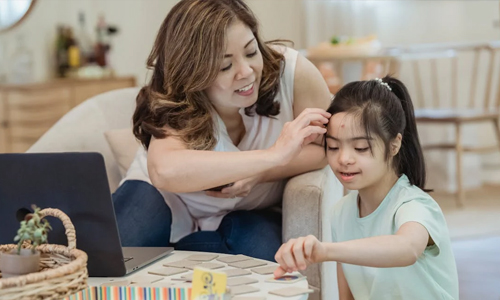
Rachel, from Morristown, knows firsthand that no two children with autism are the same. Her twin daughters, Lily and Emma, are both on the autism spectrum, but they respond to parenting in completely different ways.
“Lily thrives on structure, but Emma needs flexibility,” Rachel explained. “I quickly learned that I had to adapt my parenting style to each of their needs. For Lily, a strict routine works best, but for Emma, I need to be more flexible and give her space to express herself.”
Rachel’s story highlights the importance of tailoring parenting styles to fit the unique needs of each child. For her family, finding a balance between structure for Lily and gentle support for Emma was the key to success.
Finding What Works for Your Family
It’s difficult to answer the question, “What parenting style is good for autism.” These parents' experiences show that there’s no single “right” parenting style for children with autism. The best approach is often a combination of structure, patience, and empathy. What works for one child may not work for another, and that’s okay. The key is to stay flexible, observe what helps your child thrive, and adapt your style as needed.
Whether you lean towards authoritative, gentle, or a mix of parenting styles, the most important thing is that your child feels loved, supported, and understood.
Interested about the science behind autism? Check out our blog on Biomarkers in Human Sperm Linked to Autism.