
When most people think of silk, they picture red-carpet glamour, high-end fashion, and luxury bed linens. But here's something that might surprise you — the silk benefits you get from wearing this fabric go far beyond aesthetics. Silk is, quite literally, one of the most health-forward fabrics on the planet. From soothing sensitive skin and taming frizzy hair to keeping your body at a comfortable temperature year-round, silk does more quiet, consistent work for your wellbeing than any other natural fabric. And the global market agrees — silk is booming, with industry growth projecting a compound annual growth rate (CAGR) of over 9% through 2034. So if you've been treating silk as a special-occasion indulgence, it's time to reconsider. Here are five compelling, research-backed reasons to make silk a regular part of your wardrobe and lifestyle.
Silk benefits include improved skin hydration, reduced hair friction, better temperature regulation, and support for sensitive skin. Thanks to its smooth fibers and naturally hypoallergenic properties, silk is often recommended for people looking to improve comfort, sleep quality, and overall skin and hair care.
1. Silk Is Genuinely Great for Your Skin

Let's start with the question on everyone's mind: Is silk good for the skin? The short answer is yes — and here's why it actually works.
Silk is composed of two key proteins — fibroin and sericin. Fibroin makes up roughly 75–80% of the fiber by weight, and it naturally contains 18 essential amino acids, including glycine and alanine. These amino acids may help support skin hydration and overall skin health, reduce transdermal water loss to maintain hydration levels, and support the skin's natural collagen production process.
Dr. Samer Jaber, a board-certified dermatologist, has spoken about silk's ability to preserve skincare products. He explains that silk is less absorbent than cotton, meaning it won't pull serums, moisturizers, or retinols away from your skin. If you invest in a high-quality skincare routine, silk keeps those products where they belong — on your face.
Silk's sericin protein also carries natural antioxidant properties. Research published in the Journal of Food Biochemistry (2022) found that sericin's antioxidant and anti-inflammatory properties make it a powerful ingredient for cosmetic formulations. A 2024 review in Macromolecular Bioscience by Zhao and colleagues further confirmed silk sericin's robust biological profile, including antibacterial, anti-inflammatory, and angiogenic effects that support skin wound healing.
For people with chronic skin conditions, the news is even more encouraging. A 2019 study published in Dermatology Reports followed patients with atopic dermatitis (eczema) who wore silk underclothes for eight weeks. Within just one month, participants experienced measurable improvements in skin redness, swelling, and itching. Moreover, a study registered with the University of Colorado Denver examined silk fibroin's ability to promote collagen type I adhesion within epidermal cells — supporting firmer, more youthful-looking skin over time.
Why Silk Is Good for Your Skin: A Quick Summary
| Skin Benefit | How Silk Delivers It |
| Hydration retention | Low absorbency keeps moisture on skin, not fabric |
| Anti-aging | 18 amino acids boost collagen and cell regeneration |
| Reduced inflammation | Sericin's anti-inflammatory properties soothe redness |
| Acne prevention | A smooth surface reduces bacteria buildup and friction |
| Eczema relief | Clinical studies show a reduction in redness, swelling, and itching |
| UV protection | Silk inhibits melanin overproduction, reducing dark spots |
2. Silk Is a Dermatologist-Recommended Fabric for Sensitive Skin
If you've ever struggled with itchy, reactive, or allergy-prone skin, the pros and cons of silk quickly tip in one direction: all pros, very few cons.
Silk's hypoallergenic nature is one of its most powerful and scientifically substantiated qualities. Unlike synthetic fabrics, silk's protein composition — specifically the tight, crystalline beta-sheet structure of fibroin — results in a smooth, continuous filament with very low immunogenic potential. This means your immune system simply doesn't react to it the way it might to synthetic fibers or even some natural ones like wool.
Dr. Allison Britt Kimmins, a Philadelphia-based dermatologist at Advanced Dermatology, notes that there is genuine evidence that silk can help improve skin moisture by preventing excess moisture from becoming trapped in the fabric, which can otherwise breed irritants and bacteria. By limiting bacterial and allergen buildup, silk actively reduces the risk of skin irritation and acne breakouts.
Mulberry silk fibers are also naturally coated with fibroin, which makes them resistant to dust mites, mold, and mildew — three of the most common indoor allergens. For anyone who suffers from allergic rhinitis, asthma, or skin allergies, this is a genuinely meaningful advantage. Dust mites cannot burrow into silk's tightly woven surface the way they can in cotton or polyester, making silk a smart fabric choice not just for your wardrobe, but for your home.
Research published by Selvane in 2026 on silk's hypoallergenic properties confirmed that dermatological studies have observed reduced symptoms in patients with conditions such as atopic dermatitis when using silk textiles. The evidence here isn't purely anecdotal — it's supported by peer-reviewed clinical observation.
3. Silk Regulates Your Body Temperature Better Than Most Fabrics

Here's one of the less talked-about silk advantages that deserves a lot more attention: silk is a natural thermoregulator.
Silk can keep you cool in summer and warm in winter — not because it's "thick" or "thin," but because its unique molecular structure creates millions of tiny air pockets that actively facilitate heat exchange. Silk retains body heat in cold conditions and disperses excess heat in warm ones, helping your body maintain a comfortable, natural temperature throughout the day.
This is the science behind it: silk contains 97% protein and 3% fat and wax, and its breathable structure supports efficient moisture wicking. It can actually absorb up to 30% of its own weight in moisture without ever feeling damp — a feat no synthetic fabric can match. This means that even on a warm day, silk clothing on the skin stays dry and comfortable.
For people who experience night sweats, hot flashes, or simply run warm, silk is often the fabric of choice recommended by sleep specialists and dermatologists. And for those who run cold, layering silk as a base layer beneath other clothes provides warmth without bulk — a classic technique among travelers and outdoor enthusiasts.
This year-round adaptability makes silk one of the most practical advantages of silk as a fabric. It's not just good for gala dinners; it's a smart, functional choice for everyday wear.
4. Silk Is Exceptional for Hair Health

Ask any hairstylist or trichologist why they recommend silk pillowcases, silk scrunchies, or silk hair wraps — and they'll give you a very consistent answer: friction is the enemy of healthy hair, and silk eliminates it.
Dr. Prasanthi Kandula, a cosmetic dermatologist at SkinCare Physicians in Boston, explains that silk pillowcases absorb less moisture overnight compared to cotton, which means your hair's natural oils and the products you apply stay in place rather than being wicked into the pillow. This single quality translates into a genuinely impressive list of hair benefits.
Benefits of silk for hair include:
- Reduced hair breakage and split ends, particularly for chemically treated or color-processed hair
- Fewer tangles and knots overnight
- Better preservation of natural curl patterns and hair texture
- Less frizz and improved smoothness in the morning
- Longer-lasting blowouts and styling results
- Protection against mechanical damage for fine or fragile hair
A 2025 clinical study by Kosmoscience Labs confirmed frizz reduction in simulated overnight routines using silk surfaces. An earlier 30-day clinical trial conducted by Citruslabs (2024) documented measurable improvements in hair smoothness and quality after regular use of silk pillowcases. For context, traditional cotton pillowcases create friction that essentially "scrubs" the cuticle layer of each hair strand throughout the night — over weeks and months, this leads to real, cumulative damage.
The silk hair benefit extends beyond the pillow. Silk scrunchies and wraps are increasingly recommended by professional stylists because they hold hair in place without the creasing and breakage associated with elastic or rubber bands. If you're asking why do silk pillowcases help hair, this is the core reason: silk's smooth surface respects the structure of each strand rather than fighting against it.
5. Silk Is One of the Most Sustainable, Skin-Compatible Fabrics You Can Wear
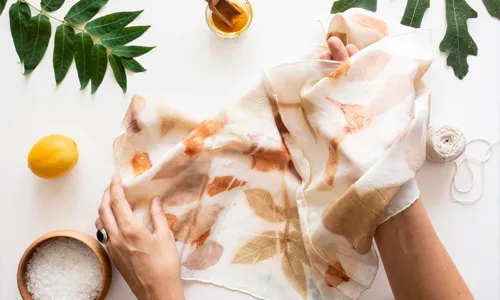
Amid a growing global conversation about sustainable fashion and conscious consumption, silk stands out as one of the most environmentally and biologically compatible fabrics available.
Silk is 100% natural and 100% biodegradable. It is produced through sericulture — the cultivation of silkworms — which requires no synthetic chemicals, no harsh dyes (when left in its natural state), and no petrochemical processing. Unlike polyester and nylon, which shed microplastics with every wash and take centuries to decompose, silk returns to the earth naturally.
Silk is also free of the chemical additives that plague many commercial fabrics. It contains only natural substances — proteins, amino acids, fat, and wax — making it one of the gentlest fabrics for direct contact with skin. This is a meaningful distinction for anyone with chemical sensitivities, fragrance allergies, or simply a desire to reduce their toxic load.
The global silk market reflects this growing appreciation. According to Fortune Business Insights, the global silk market was valued at approximately $24 billion in 2025 and is projected to reach over $53 billion by 2034 — growing at a CAGR of 9.2%. North America alone represents a significant and fast-growing share of this market, valued at $4.37 billion in 2025. This growth is driven by rising consumer preference for sustainable, ethically sourced, and biodegradable textiles.
When you choose silk, you're making a choice that's good for your skin, good for your health, and better for the planet. That's a rare combination in the world of modern fashion.
The Pros and Cons of Silk: An Honest Look
No fabric is perfect, and a complete health perspective requires acknowledging the full picture. Here's a straightforward pros-and-cons breakdown:
Pros of Silk:
- Hypoallergenic and gentle on sensitive skin
- Natural thermoregulation for all seasons
- Contains 18 amino acids that benefit skin and hair
- Naturally antibacterial, antifungal, and dust-mite resistant
- Biodegradable and sustainably produced
- Low friction — protects both skin and hair
- Lightweight and breathable
- Clinically shown to soothe atopic dermatitis symptoms
Cons of Silk:
- Higher cost compared to cotton and synthetic fabrics
- Requires careful washing (hand wash or delicate cycle recommended)
- Can be sensitive to direct sunlight over time
- Some ethical concerns around traditional silkworm sericulture (though peace silk and vegan alternatives now exist)
For most people, the pros clearly outweigh the cons — especially when you consider that silk's durability means a quality silk garment or pillowcase can last years with proper care, making the upfront investment worthwhile.
Expert Insight: What Dermatologists Say About Silk
The medical community has increasingly embraced silk as more than a luxury item. Board-certified dermatologist Dr. Maria Robison, writing for GoodRx, notes that silk's smooth surface reduces the mechanical tension placed on skin and hair during sleep, which can reduce both sleep wrinkles and hair breakage. Dr. Samer Jaber reinforces this, emphasizing silk's role in preserving the integrity of your skincare routine by keeping products on the skin rather than absorbed into bedding.
The University of Colorado Denver's clinical trial (NCT04630418) specifically examined silk fibroin's role in promoting collagen adhesion in skin cells, with participants using validated tools to assess improvements in skin elasticity, hydration, and perceived aging. The intersection of dermatology and textile science is still young, but the direction of the evidence is clear: silk is a biologically compatible fabric that works with your body rather than against it.
How to Incorporate More Silk Into Your Life
You don't need to overhaul your entire wardrobe to start experiencing the benefits. Here are some practical, beginner-friendly ways to bring silk into your daily routine:
- Start with a silk pillowcase. This is the most impactful, affordable entry point. You spend roughly a third of your life with your face and hair pressed against a pillow — make it count.
- Try a silk sleep mask or hair wrap. These small additions protect sensitive areas while you sleep.
- Add a silk scarf or blouse to your rotation. You'll notice the difference in comfort and breathability almost immediately.
- Consider silk underwear or base layers if you have sensitive skin or suffer from rashes, chafing, or heat discomfort.
- Look for OEKO-TEX certified or peace silk products to ensure you're getting genuine, chemical-free, ethically produced silk.
Final Thoughts
Silk isn't just beautiful — it's genuinely good for you. The silk benefits stack up impressively: skin that stays hydrated and protected, hair that glows and stays strong, a body that regulates temperature naturally, allergy symptoms that ease, and a fashion footprint that's kinder to the planet. Whether you start with a single silk pillowcase or build an entire silk wardrobe, your body will thank you. And honestly? You deserve to feel this good every day, not just on special occasions.
Frequently Asked Questions
Is silk good for your skin?
Yes. Silk's smooth fibers create less friction than many fabrics and may help support skin hydration and comfort.
Does silk help reduce hair breakage?
Silk pillowcases and hair accessories may reduce friction, which can help minimize tangles, frizz, and hair breakage.
Is silk suitable for sensitive skin?
Silk is naturally hypoallergenic and is often recommended for people with sensitive or easily irritated skin.
Can silk keep you cool in summer?
Yes. Silk is breathable and helps regulate temperature by allowing heat and moisture to move away from the body.
Are silk pillowcases worth it?
Many people choose silk pillowcases because they may help reduce friction on the skin and hair while sleeping.
References
- Hung, M., et al. (2019). "Influence of silk clothing therapy in patients with atopic dermatitis." Dermatology Reports.
- Zhao, et al. (2024). "Silk sericin's effects on skin wound healing." Macromolecular Bioscience.
- Rao, et al. (2022). "Covalent flavonoid conjugation with silk sericin hydrolysate." Journal of Food Biochemistry.
- University of Colorado Denver. NanoSilk Cosmo Study. ClinicalTrials.gov: NCT04630418.
- Thomas, K.S. et al. (2017). "Randomised controlled trial of silk therapeutic garments for the management of atopic eczema in children: the CLOTHES trial." Health Technology Assessment, NIHR Journals Library.
- Fortune Business Insights. (2025). "Silk Market Size, Share & Industry Forecast, 2034."
- Market Data Forecast. (2026). "North America Silk Market Size, Share, Growth."
- Selvane. (2026). "Silk for Sensitive Skin: Hypoallergenic Properties & Evidence."
- MANITO Silk. (2025). "Benefits of Silk Amino Acids for Skin, Hair, and Sleep."
- Mulberry Park Silks. (2025). "Why Choose a Silk Pillowcase."
- GoodRx Health. (2024). "5 Ways a Silk Pillowcase Can Benefit Your Hair and Skin."
- Clinikally. (2026). "Unveiling the Elixir of Youth: Silk Proteins in Skincare."
Medical Disclaimer
This article is for informational purposes only and does not constitute medical advice. Always consult a qualified healthcare professional before making changes to your health or skincare routine.