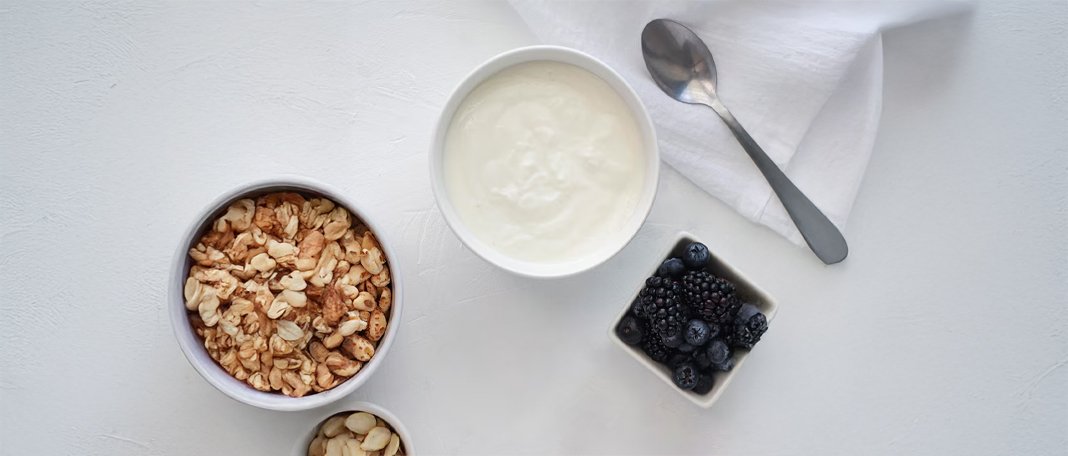
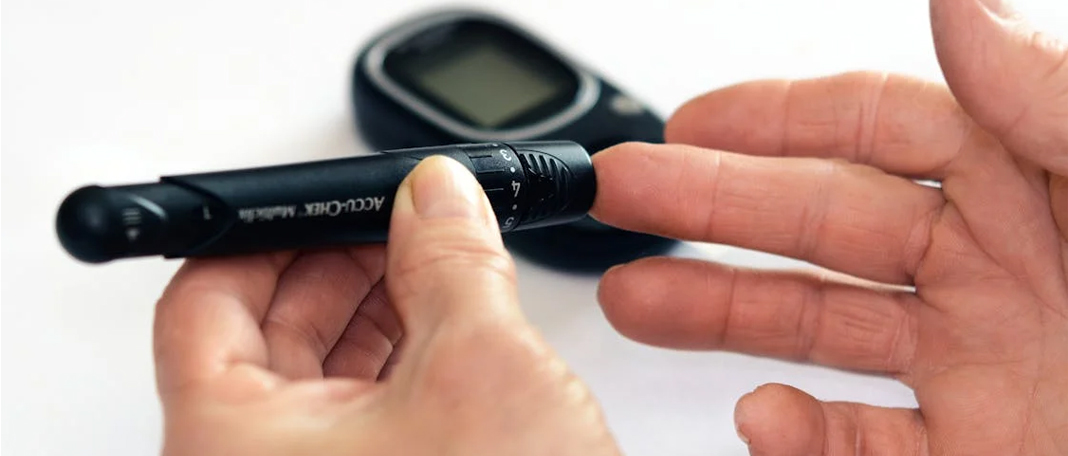
What lowers your blood sugar level? Let's start by analyzing it. Blood sugar is a killer disease if it is not controlled at the right levels. Eating certain foods can lower your sugar levels. High blood sugar is like a poison to our bodies. It can cause severe damage to our nerves, organs, blood vessels, and body as a whole.
What Causes Low Blood Sugar?
- Taking too much insulin
- Hormone issues
- Endocrine problems
- Skipping meals
- Exercising more
- Drinking alcohol
- Malnutrition
- Not eating enough carbs
- Certain pancreatic tumors
Never ignore your sugar levels and eat the right foods so that you can regulate them. Here are 15 best foods that decrease your blood sugar levels. However, very low blood sugar can be highly dangerous. So, consult your doctor before you plan to reduce your blood sugar levels using these foods (or other types of foods).
Food That Lower Blood Sugar Level
1. Avocados
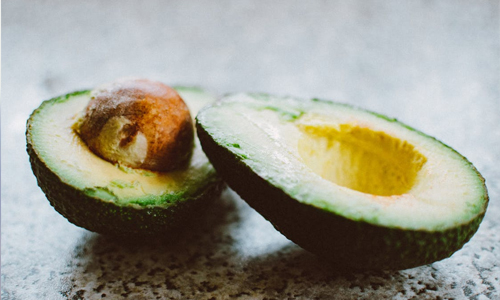
Avocados are fattening, but they are also a source of good fat. The good fat releases sugars in the bloodstream instead of over-releasing them, requiring less insulin.
They are also a good source of potassium, which helps level out your blood pressure by lowering sodium levels.
2. Broccoli
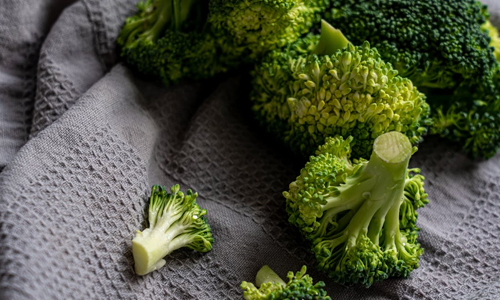
Sulforaphane is a type of isothiocyanate that has blood sugar-reducing properties. When you chop or chew broccoli, it produces sulforaphane.
Broccoli also contains various flavonoids and nitric oxide that help lower blood pressure.
3. Fenugreek Seeds
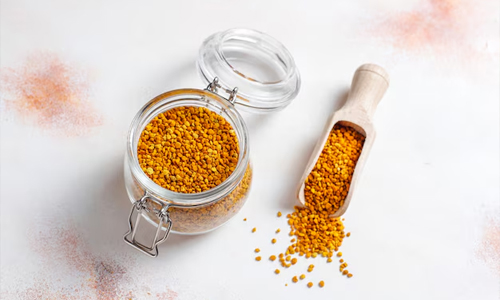
This spice has been consumed in India for ages, especially to control blood sugar. Simply leave these seeds to soak overnight in a glass of hot water and swallow them in the morning. Consumption of fenugreek seeds has proved to show a drastic fall in blood sugar rates as it slows down the digestion of carbohydrates.
Fenugreek seeds may help lower blood pressure too, particularly systolic blood pressure (SBP) when taken in doses of at least 15 grams per day for up to 12 weeks.
4. Berries and Cherries

Berries and cherries contain fiber, vitamins, minerals, and antioxidants. It means they are full of essential nutrients that our body needs. Moreover, the naturally occurring antioxidants found in berries and cherries have anti-diabetic effects, which are crucial for maintaining proper blood sugar levels.
Blueberries and cherries are full of anthocyanin, also found in tea, coffee, and nuts. You must be wondering what anthocyanin is. Well, it is the nutrient found in colorful food. Blueberries and cherries are the fruits that are the richest in this nutrient.
5. Seafoods
As seafood like fatty fish, doesn’t contain carbohydrates, they have low GI scores which results in lowering blood sugar levels. A 2021 study found that people who consumed oily fish developed T2DM at lower rates than those who did not.
6. Okra
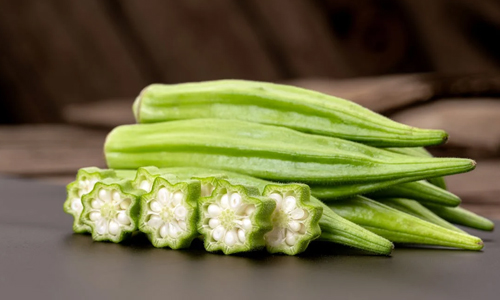
When the body cannot process glucose, it can develop into type 2 diabetes, leading to complications, such as organ damage and an increase in heart disease.
Eating okra helps regulate blood sugar levels because it contains fiber and antioxidants. Regular consumption of okra, whether in the form of powder or soaked in water, helps lower blood glucose levels.
7. Pumpkin and Pumpkin Seeds
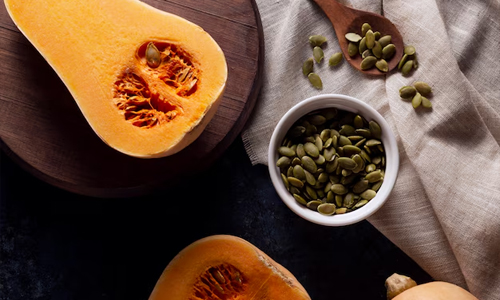
Pumpkins are highly rich in potassium. A study found that 10% of daily potassium is found in just half a cup serving of canned pumpkin. Research shows that pumpkin can also help with the increased production of insulin. So, including pumpkins in your daily diet can lower your blood sugar level.
Pumpkin can be added to your smoothies, salads, soups, or any recipes of your favorite choice. But make sure that you consume them in a limited amount because they are calorie-rich, and can cause many side effects too.
8. Flaxseeds
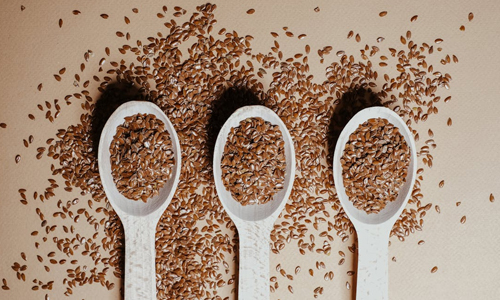
Flaxseeds hold a lot of benefits. They can reduce blood sugar levels in cases like type 2 diabetes, prediabetes, overweight or obese individuals. As they are high in soluble fiber, they help to slow down digestion and the absorption of sugar.
Flaxseeds also have a low glycemic index, which raises the blood sugar level moderately instead of spiking it up.
9. Fermented Foods
Fermented foods also have low or medium glycemic index, so that the body absorbs and breaks the sugar level down more slowly reducing the spikes. They slow down glucose absorption into the blood as they are high in fiber.
They also contain probiotics, which are essential bacteria that support our gut microbiome and help metabolize sugar.
10. Kale
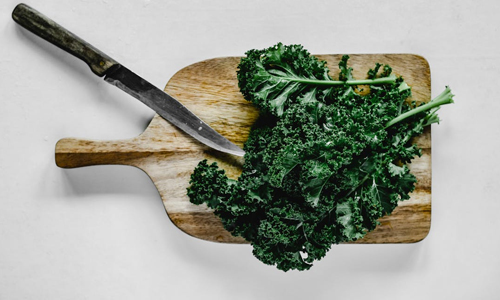
Kale is a leafy green vegetable that's low in calories and carbohydrates, making it a good choice for people with type 2 diabetes. It contains fiber, which assists in lowering blood glucose levels and reduces the risk of developing type 2 diabetes.
Kale also has antioxidants like vitamins A and C, which may protect against type 2 diabetes.
11. Oatmeal

Oats are rich in fiber, which prevents rapid blood sugar spikes. The soluble fiber called beta-glucan found in oats improves insulin response and decreases blood sugar levels.
Oatmeal also has a low glycemic index score, which means it is less likely to cause blood sugar spikes.
12. Whole Grains
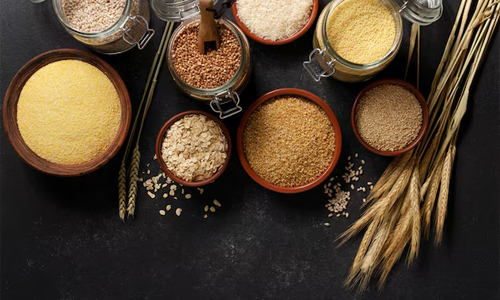
Whole grains slow down digestion and help improve insulin sensitivity. As fiber in the grains adds bulk to the diet we consume, that can help you feel full and satisfied and less likely to overeat. However, in some cases, they can also cause a spike in blood sugar levels. So, whole grains should be consumed in an adequate amount.
13. Apple Cider Vinegar
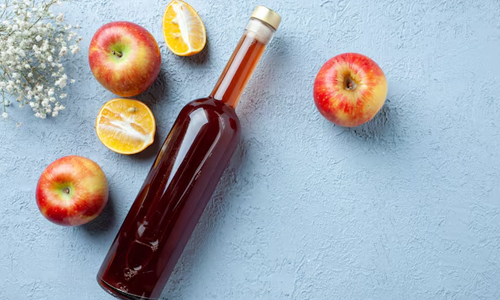
Apple cider vinegar can slow down how your stomach empties, and prevent blood sugar spikes. They also increase insulin sensitivity and help the body move more glucose from your bloodstream into the cells.
14. Eggs

Eggs contain essential vitamins and minerals and have just 80 calories each. They are an excellent source of high-quality protein that takes part in regulating blood sugar levels for people with diabetes.
A study showed that 42 adults who were overweight or obese and either prediabetic or suffering from type 2 diabetes, when asked to eat a large egg per day, led to a 4.4% reduction in fasting blood sugar.
15. Nuts
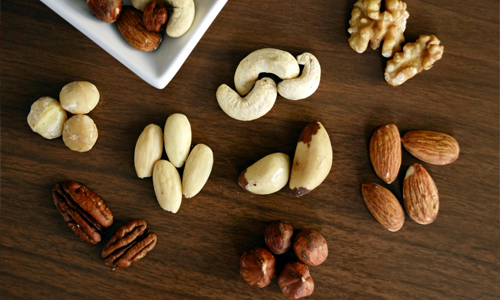
Snacking on nut varieties like almonds, cashews, or even pistachios can help lower your blood sugar levels. They contain high levels of plant protein, unsaturated fatty acids, and other nutrients, such as the following:
- Antioxidant vitamins
- Phytochemicals, such as flavonoids
- Minerals, such as magnesium and potassium
Tip: it is better to eat nuts as a whole or unprocessed. Nuts with coatings or flavors have higher GI scores than plain ones.
How Do I Lower My A1C Level?

1. Exercise
According to the American Diabetes Association, physical activity can lower your blood glucose up to 24 hours or more after your workout by making your body more sensitive to insulin.
Become familiar with how your blood glucose responds to exercise. Checking your blood glucose level more often before and after exercise can help you see the benefits of activity.
2. Drink in Moderate Amounts
The American Association recommends drinking alcohol can cause drops in your blood sugar, especially if you haven't eaten, or if your glucose levels are already low. So it is important to have a moderate amount of alcohol for your body to lower your a1c level.
3. Get Active
Stress also plays a huge role in managing your a1c level. Aim for at least 150 minutes of moderate-intensity or 75 minutes of vigorous-intensity exercise every week.
A recent research article states that combining aerobic activities, such as walking, jogging, and swimming, with resistance exercises, which involve weights, resistance bands, or body weight, offers greater benefits than aerobic or resistance exercises alone.
4. Weight Management
A person must consider working with a healthcare professional if it is necessary to reduce weight for the healthy function of the body.
5. Follow up with Your Medical Team
Following up with your primary care provider or diabetes team is important in monitoring your a1c level. Through these visits, you can find out if your a1c levels are headed in the right direction.
What is A1C Level Measurement?
A1C measurement can indicate whether you have diabetes or prediabetes, says the National Institute of Diabetes and Digestive and Kidney Diseases.
| Diagnosis | A1C Level |
| Optimal level | Below 5.7% |
| Prediabetes | 5.7%-6.4% |
| Diabetes | 6.5% and above |
What Foods Elevate Blood Sugar?
Certain foods can increase your blood sugar level and cause a hike in it. Even food items you assumed to be healthy might cause a spike in your blood sugar. So it is very important to identify foods that lower blood sugar levels. Let us look at some of the foods that elevate your blood sugar level.
1. Refined Carbohydrates
Foods like white bread, pasta, and rice are considered refined carbohydrate sources that cause a significant rise in the body's blood sugar.
So, instead of consuming refined carbohydrate sources, focus on eating lots of fiber. According to the American Heart Association, “Fiber is a type of carbohydrate that has many benefits. It’s not digested by the body, so it influences gut health and may slow digestion, which may help blood sugar levels.” It also helps you feel fuller longer, to reduce the likelihood of overeating, which can negatively affect blood sugar.
2. Sugary Foods

Eating sugary foods certainly increases your blood sugar in 10 to 15 minutes. It is caused due to the absorption of glucose into the bloodstream, which triggers the release of insulin by the pancreas.
3. Processed Foods

Everyone enjoys eating processed foods that are a treat to your cravings. But do you know that it causes a huge impact on your blood sugar level? As they are high in carbs and sugar, the blood sugar level increases.
Processed foods are quickly absorbed and digested, causing the blood sugar level to rise. They also have high glycemic index and are low in fiber, which are an added disadvantage in maintaining the blood sugar level.
4. Non-Dairy Milk
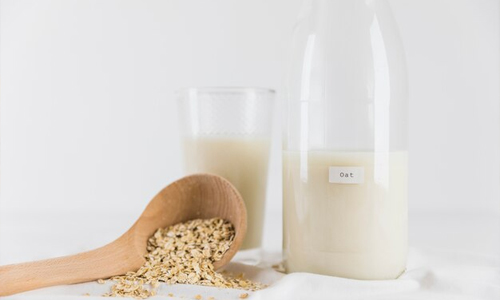
Depending on the type of milk and its nutritional content, non-dairy milk can affect blood sugar levels in different ways. Oat and rice milk are naturally higher in carbs, especially compared to nut milk because grains contain more carbs than nuts.
According to Harvard Health Publishing, oat milk comes with a GI of 86, which causes a spike in the blood sugar level.
FAQs
1. What foods help lower blood glucose quickly?
Foods rich in fiber, protein, and healthy fats such as vegetables, nuts, and legumes help slow sugar absorption and support stable blood glucose levels.
2. Can diet alone control blood glucose levels?
Diet plays a major role, but blood glucose is also affected by exercise, stress, and overall health. A balanced lifestyle is key for long-term control.
3. Are low glycemic foods better for blood sugar?
Yes. Low glycemic index foods digest slowly and prevent sudden spikes, helping maintain steady blood glucose levels throughout the day.
4. How often should I eat to manage blood glucose?
Eating balanced meals at regular intervals helps maintain stable glucose levels and prevents sudden highs and lows.
5. Do fruits increase blood glucose levels?
Whole fruits contain natural sugars but also fiber, which slows absorption. In moderate portions, they can be part of a healthy diet.
6. Can fiber help lower blood glucose?
Yes. Fiber slows digestion and reduces the speed at which sugar enters the bloodstream, helping improve blood sugar control.
7. What foods should be avoided for high blood sugar?
Highly processed foods, sugary drinks, and refined carbohydrates can cause rapid spikes in blood glucose levels.
8. Do protein-rich foods help manage blood glucose?
Yes. Protein slows digestion and helps prevent sudden spikes in blood sugar after meals.
9. How long does it take for diet changes to affect blood sugar?
Some changes can be seen within days, but long-term improvements usually take a few weeks of consistent healthy eating.
10. Is it safe to rely only on foods that lower blood glucose?
No. While diet helps, medical advice, monitoring, and lifestyle changes are important for proper management, especially in diabetes.
So, eat your way to reduce your spiking blood sugar levels. And the best part is that you are taking the aid of naturally available foods, or food given to us by nature.