
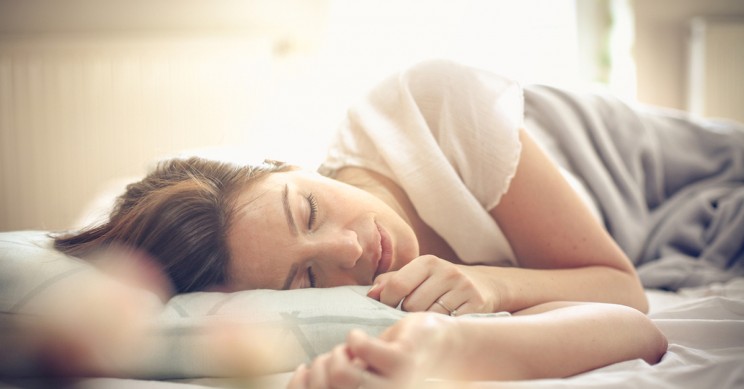
[caption id="attachment_10172" align="aligncenter" width="565"]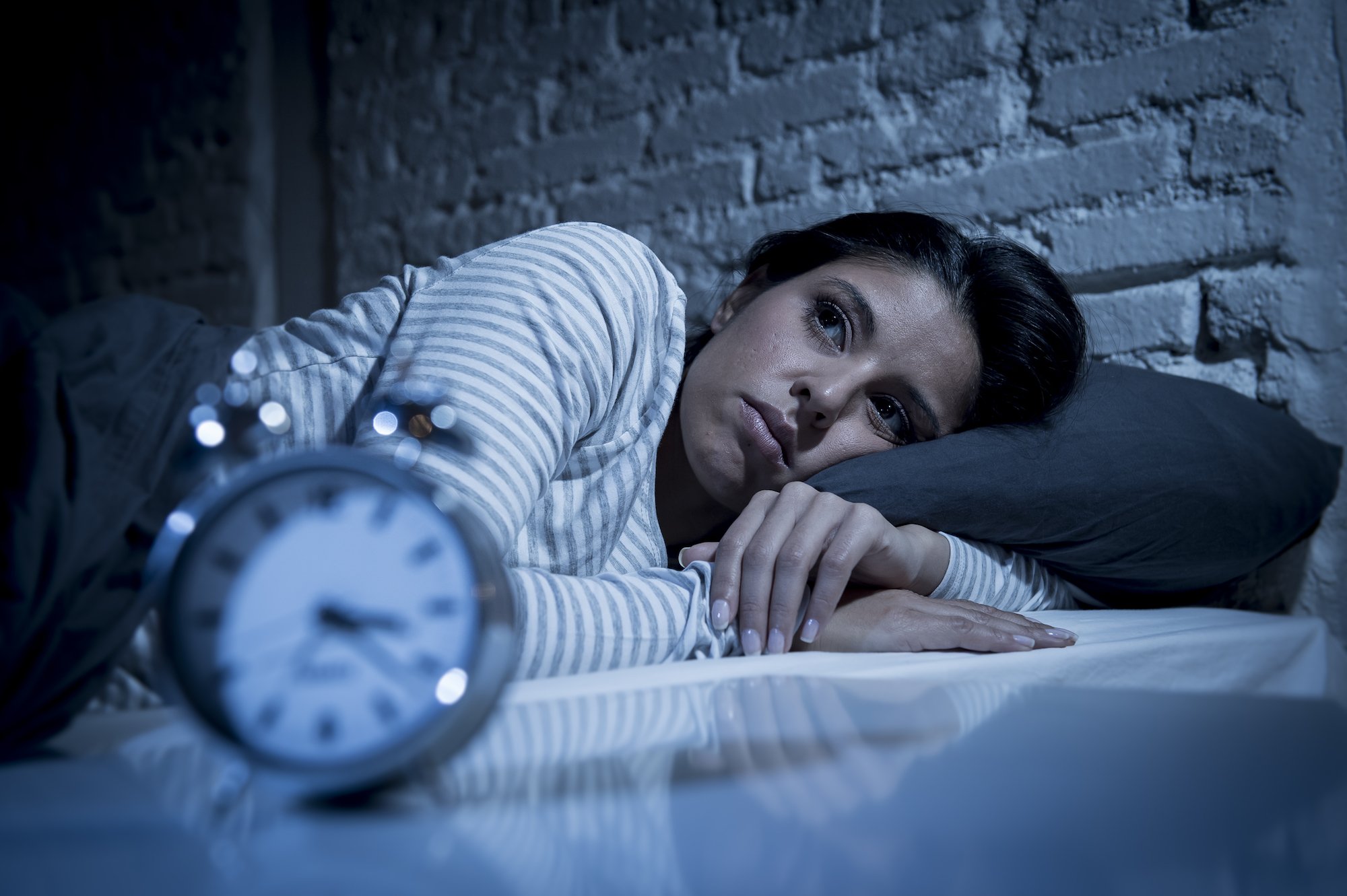 Insomnia[/caption]
“Don’t compromise on sleep.”
It’s something we hear often—but many of us still unknowingly follow habits that quietly ruin our sleep quality. From scrolling on our phones at night to believing we can “catch up” on weekends, sleep myths are everywhere.
The problem? These myths don’t just affect how long you sleep—they impact your brain function, mood, immunity, and long-term health.
In this guide, we’ll break down 10 common sleep myths, explain what science actually says, and help you build healthier sleep habits that truly work.
Why Sleep Myths Are More Harmful Than You Think
Sleep isn’t just “rest.” It’s an active biological process where your body:
-
Repairs muscles
-
Strengthens immunity
-
Processes memories
-
Regulates hormones
When you follow incorrect beliefs about sleep, you’re not just feeling tired—you’re affecting your overall well-being and daily performance.
[caption id="attachment_10170" align="aligncenter" width="636"] sleep myths![/caption]
10 Common Sleep Myths You Should Stop Believing
Myth 1: Watching TV or Using Your Phone Helps You Fall Asleep
Truth:
This is one of the most common (and damaging) myths.
Screens emit blue light, which interferes with melatonin—the hormone responsible for sleep. Instead of relaxing your brain, it keeps it alert and stimulated.
What to do instead:
-
Read a book
-
Take a warm shower
-
Try light stretching or calming yoga
-
Listen to relaxing audio
These habits help your brain transition into sleep mode naturally.
Myth 2: You Can Function Well on Just a Few Hours of Sleep
Truth:
While some people believe they can “get used to less sleep,” science strongly disagrees.
Adults typically need 7–9 hours of sleep for optimal health.
Lack of sleep can lead to:
-
Poor decision-making
-
Weak immunity
-
Mood swings
-
Reduced productivity
Even if you feel okay, your brain and body are still underperforming.
Myth 3: It’s Normal to Always Struggle Falling Asleep
Truth:
Occasional difficulty sleeping is normal—but frequent sleep issues are not.
If you regularly:
-
Take a long time to fall asleep
-
Wake up multiple times
-
Feel tired during the day
It could be insomnia, a real medical condition.
What is Insomnia?
Insomnia affects your ability to:
-
Fall asleep
-
Stay asleep
-
Function during the day
Symptoms include:
-
Daytime fatigue
-
Poor concentration
-
Irritability
If this sounds familiar, it’s important to consult a healthcare professional.
Myth 4: You Can Catch Up on Sleep Over the Weekend
Truth:
This is one of the biggest misconceptions.
Sleep loss creates something called sleep debt. While sleeping extra on weekends may help slightly, it doesn’t fully reverse the damage.
Inconsistent sleep patterns can also:
-
Disrupt your body clock
-
Make Mondays harder
-
Affect long-term sleep quality
Better approach:
Stick to a consistent sleep schedule, even on weekends.
Myth 5: Dreaming Means You’re Not Sleeping Deeply
Truth:
Dreaming is actually part of REM sleep (Rapid Eye Movement)—a critical stage of sleep.
During this stage:
-
Your brain processes emotions
-
Memories are consolidated
-
Cognitive function improves
So yes—if you’re dreaming, you are sleeping, and your brain is doing important work.
Myth 6: Alcohol Helps You Sleep Better
Truth:
Alcohol may make you feel sleepy initially, but it disrupts sleep quality.
It can:
-
Reduce deep sleep
-
Cause frequent awakenings
-
Lead to poor rest overall
You may fall asleep faster—but you won’t feel truly refreshed.
Myth 7: Snoring Is Harmless
Truth:
Occasional snoring may be harmless—but loud or frequent snoring can indicate a serious condition called sleep apnea.
Sleep apnea can:
-
Interrupt breathing
-
Reduce oxygen levels
-
Increase risk of heart disease
If snoring is persistent, it’s worth getting checked.
Myth 8: Older Adults Need Less Sleep
Truth:
Sleep patterns may change with age—but the need for sleep doesn’t decrease significantly.
Older adults still need around 7–8 hours of sleep.
However, they may:
-
Sleep lighter
-
Wake up more often
This leads to the illusion that they need less sleep.
Myth 9: Naps Are Always Bad for Sleep
Truth:
Naps can actually be beneficial—if done correctly.
Short naps (20–30 minutes):
-
Boost alertness
-
Improve mood
-
Enhance performance
But long or late naps can:
-
Disrupt nighttime sleep
-
Make it harder to fall asleep
Myth 10: Lying in Bed Longer Means More Rest
Truth:
Spending extra time in bed doesn’t always equal better rest.
If you’re lying awake:
-
Your brain associates bed with wakefulness
-
Sleep quality may decrease
Better approach:
If you can’t sleep after ~20 minutes:
-
Get up
-
Do something relaxing
-
Return when sleepy
Science-Backed Tips for Better Sleep
Instead of following myths, focus on proven habits:
Build a Consistent Routine
-
Sleep and wake up at the same time daily
Create a Sleep-Friendly Environment
-
Dark, cool, and quiet room
-
Comfortable mattress and pillows
Limit Screen Time Before Bed
-
Avoid screens at least 30–60 minutes before sleep
Watch What You Eat & Drink
-
Avoid caffeine late in the day
-
Limit heavy meals before bedtime
Manage Stress
-
Practice meditation or breathing exercises
-
Journal before bed
When Should You See a Doctor?
Consider professional help if you:
-
Have trouble sleeping regularly
-
Feel tired despite enough sleep
-
Snore loudly or gasp during sleep
-
Experience daytime sleepiness
Sleep disorders are common—and treatable.
Conclusion
Sleep is not a luxury—it’s a necessity. Believing common myths like “you can survive on less sleep” or “weekend sleep fixes everything” can quietly harm your health over time.
By understanding the truth behind these myths and adopting science-backed habits, you can improve not just your sleep—but your energy, focus, mood, and overall quality of life.
So tonight, instead of scrolling your phone or pushing your bedtime, make one small change. Your future self will thank you.