

Whether you’re here because you’ve been prescribed Metformin or you’re just curious about how it works, you've come to the right place. It is one of those medications that has been around for a while, helping millions of people manage their blood sugar levels. But like anything new, it can be a little intimidating at first. Don’t worry I’m here to walk you through everything you need to know.
What is Metformin?
Well, Metformin is a medication primarily used to manage type 2 diabetes by helping to keep your blood sugar levels stable. It works by decreasing the amount of glucose produced by the liver and improving your body’s sensitivity to insulin, which is essential for processing sugar in your bloodstream.
Interestingly, it isn’t just for diabetes. It’s also prescribed for conditions like prediabetes, where blood sugar levels are higher than normal but not yet in the diabetic range. This can help prevent the progression to full-blown diabetes. Additionally, many healthcare providers prescribe it for women with polycystic ovary syndrome (PCOS), a hormonal disorder that can affect fertility and lead to insulin resistance.
It is a versatile medication that plays a crucial role in managing not just diabetes but also other conditions related to insulin resistance. You're in good company if you’re considering it or have been prescribed it.
A Few Metformin Brands
If you’re noticing different names for metformin, don’t worry! Several brands are available in the U.S., but they all work similarly to help manage blood sugar levels. Here are some common ones:
- Glucophage
- Fortamet
- Glumetza
- Riomet (this one is in liquid form, which is great for those who have trouble swallowing pills!)
These brands may release the medication at different rates; some are extended-release, providing a consistent effect throughout the day, while others work more quickly. Regardless of the type, they all share the same goal: helping you effectively manage your blood sugar levels.
Metformin Dosages
- Glucophage: 500 mg, 850 mg, 1,000 mg
- Glucophage XR: 500 mg, 750 mg, 1,000 mg
- Fortamet: 500 mg, 1,000 mg
- Glumetza: 500 mg, 1,000 mg
- Riomet: 500 mg per 5 mL (liquid form)

Some people take it once a day, while others take it twice a day. The goal is to find the sweet spot where your blood sugar is balanced without giving you too many side effects. If you have any questions about your specific dose please consult a doctor.
Who Can Take Metformin?
It is most commonly prescribed for adults with type 2 diabetes, but that’s not the only reason your doctor might suggest it. It's also used for managing prediabetes, which can help prevent diabetes from developing in the first place. It is often prescribed to people with polycystic ovary syndrome (PCOS) to help with insulin resistance and sometimes even fertility issues.
What’s really interesting is that it isn’t just for adults sometimes, it’s even given to kids or teenagers who have type 2 diabetes. It’s pretty cool to see how flexible this medication is helping people across all ages and in different situations.
Since it is helpful for many things, it’s important to see if it’s right for you. If your doctor prescribed it but you’re unsure, don’t hesitate to ask questions. Talk to your doctor about your health needs and whether Metformin is the best choice for you. They’re there to help and make sure the medication works for you.
Who Shouldn’t Take Metformin?
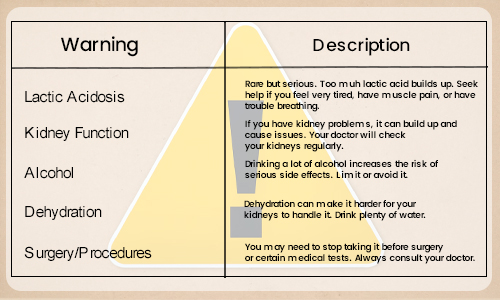
While Metformin is super helpful for a lot of people, it’s not the best choice for everyone. If you have severe kidney or liver problems, your doctor may recommend a different treatment. That’s because it is processed through your kidneys, and if they’re not working well, the medication can build up in your system and cause complications.
There’s also a condition called lactic acidosis, which is rare but pretty serious. It happens when there’s too much lactic acid in your blood, and it can be dangerous. If you’ve had this condition in the past, your doctor will likely suggest avoiding it to be on the safe side.
People who drink a lot of alcohol should be cautious when it comes to it. Alcohol can make it harder for your body to clear the medication, which can increase the risk of lactic acidosis. And if you have other health conditions, like heart or lung issues, your doctor might want to take a closer look before giving you Metformin.
But don’t worry, your doctor will go over your medical history to see if it is safe for you. If it’s not, there are plenty of other options out there. Just be open with your healthcare provider so they can give you the best advice.

How Does Metformin Work?
It helps your body use insulin better, which is the hormone that controls blood sugar levels. When you eat, your body turns food into glucose (sugar) that goes into your bloodstream. Insulin helps move that sugar into your cells for energy.
It does two main things: first, it lowers the amount of sugar your liver produces, so there’s less sugar in your blood. Second, it helps your muscles use sugar more effectively, which means they can take in more of it from your blood.
It doesn’t replace insulin; it works with it to help manage your blood sugar better. This makes it a helpful option for many people with type 2 diabetes.
Metformin Uses

Side Effects of Glumetza/Metformin
This is the part that no one really loves to talk about but is super important to know is none other than the side effects. Like most medications, it can also affect mildly, especially when you first start taking it. The good news is that many people find these side effects of Glumetza are mild and tend to get better as your body adjusts to the medication. Let’s break down the most common ones:
1. Nausea

This is probably the side effect people talk about the most. After starting it, you might feel a bit queasy, especially right after taking it. This can happen because it affects how your stomach handles food and how your liver processes glucose. A lot of people find that taking it with food helps ease the nausea, so don’t forget to have a snack or meal when you take your pill.
2. Diarrhea

Yup, Metformin can also cause diarrhea. This happens because the medication changes how your digestive system handles glucose and absorbs food. It can be a bit uncomfortable at first, but for many people, it improves over time. If you notice it's really affecting your day-to-day life, make sure to check in with your doctor. Sometimes they recommend starting with a lower dose or switching to an extended-release version of Metformin, which can be gentler on your tummy.
3. Stomach Cramps

Some people also experience stomach cramps or a general upset stomach. This can be caused by the way it affects your digestion. Again, taking it with food and staying hydrated can help ease this discomfort. If the cramps don’t go away or get worse, it’s a good idea to talk to your doctor. They might adjust your dosage or suggest other ways to manage it.
4. Gas and Bloating

Another side effect you might notice is gas or feeling bloated. While it’s not the most fun thing to deal with, this usually gets better as your body gets used to the medication. It’s your digestive system adjusting to the changes it is making. Staying hydrated and eating smaller, more frequent meals can help with the bloating.
Metallic Taste
Some people also report a metallic taste in their mouth, especially after taking it. This is less common, but if it happens to you, know that it’s usually temporary and goes away after a while. If it sticks around and is really bothering you, let your doctor know.
Metformin Warnings
Consequences of Missing a Dose
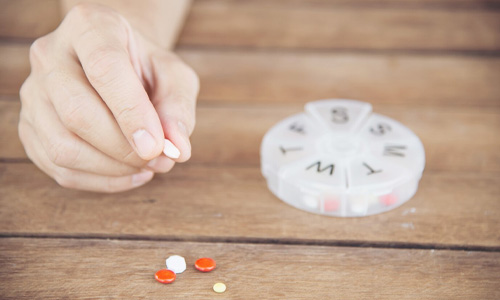
Oops! Missed a dose? Don’t worry, it happens to everyone!
If you forget to take your Metformin, the first thing to do is take it as soon as you remember. For example, if you realize it a little later in the day, go ahead and take it. However, if it’s nearly time for your next dose, it’s best to skip the missed one. Just stick to your regular schedule from there.
One important thing to remember is never to take two doses at the same time to make up for the missed one. Taking too much of it all at once can lead to side effects like upset stomach, nausea, or diarrhea, which you definitely want to avoid.
So, if you miss a dose, just stay calm and follow these steps. It’s completely normal to forget sometimes, and handling it correctly will help you stay on track with your treatment.
Effects of Overdose

If you accidentally take too much of it can lead to a serious condition called lactic acidosis. This happens when there’s too much acid in your body, and it can be dangerous.
Here are some signs to watch for if you think you might have taken too much:
a. Extreme Tiredness
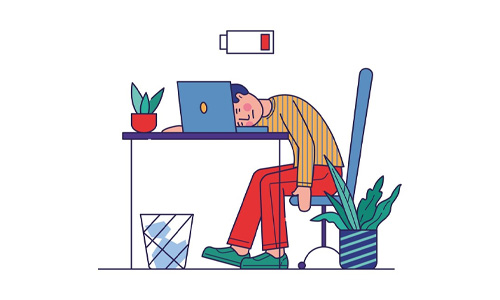
You may feel an overwhelming sense of fatigue that doesn’t improve with rest. This exhaustion can make everyday activities feel difficult and drain your energy significantly.
b. Muscle Pain

You might experience aches or soreness in your muscles, making it uncomfortable to move. This pain can feel different from regular exercise soreness and may be more intense.
c. Trouble Breathing

You could have difficulty taking deep breaths or feel short of breath, even when resting. This can make you feel anxious and uncomfortable, affecting your ability to relax.
d. Unusual Drowsiness

You may find yourself feeling excessively sleepy or lethargic, struggling to stay awake or alert. This drowsiness can interfere with your daily tasks and overall focus.
If you notice any of these symptoms or think you’ve taken too much of it, it’s very important to get medical help right away. Don’t wait to talk to a doctor or go to the nearest hospital. It’s better to be safe.
Does Metformin Cause Weight Loss?

Yes, it can lead to weight loss, but it’s not specifically meant for that. It helps manage blood sugar levels, which can indirectly help some people lose weight.
When your blood sugar is more balanced, you may feel less hungry and have fewer cravings for sugary or carb-heavy foods. It also helps your body use insulin better, which can prevent extra fat from being stored. As a result, some people may lose a little weight without really trying.
However, weight loss isn’t guaranteed. Some people might lose a few pounds, while others may not see much change. It really depends on how your body reacts, along with your diet and activity levels.
What is the Best Way to Store It?
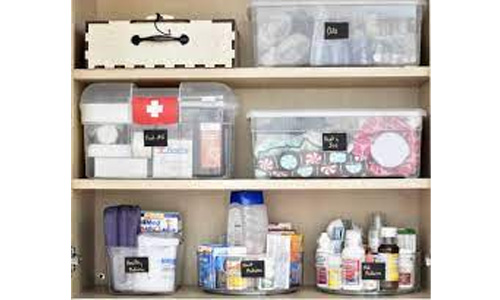
Storing Metformin is pretty straightforward. You’ll want to keep it at room temperature, ideally in a cool, dry place somewhere between 68°F and 77°F (20°C and 25°C). A cabinet or drawer in your kitchen or bedroom usually works well, as long as it’s not too humid or exposed to direct sunlight. Avoid keeping it in your bathroom, since the humidity from showers can affect the medication. Also, make sure it’s out of reach of kids and pets. Lastly, don’t forget to check the expiration date on the bottle. If it’s expired, it’s time to get a fresh supply. Keeping it stored the right way helps make sure it stays effective and safe for you to use.
Key Factors to Keep in Mind
1. When You’re Traveling
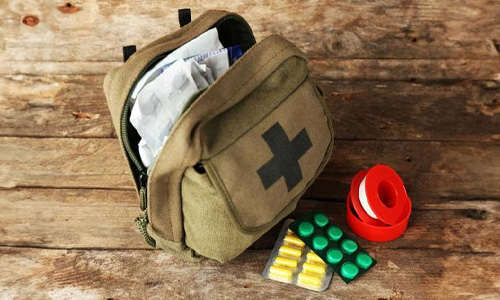
If you're going on a trip, whether for fun or work, it’s important to plan ahead. Bring enough Metformin for your time away, plus a little extra in case your trip gets longer. Keep your medication in its original bottle and pack it in your carry-on bag so it’s easy to get to. If you’re traveling across time zones, ask your doctor how to adjust when you take your doses.
2. Managing Your Medication at Home

Sticking to your daily routine is really important. Try to take it at the same time every day. Setting a reminder on your phone or using a pill organizer can help you remember. If you forget a dose, take it as soon as you remember unless it’s almost time for your next dose. Just don’t take two at once!
3. Regular Check-Ups

Your doctor will want to check how it is working for you and make sure your kidneys are healthy. This usually means having routine blood tests to look at your blood sugar levels and kidney function. Keeping up with these check-ups helps catch any problems early.
4. Eating Habits

While it helps control blood sugar, it works best with a healthy diet. Focus on eating whole grains, lean proteins, vegetables, and healthy fats. Try to avoid sugary snacks and drinks, which can spike your blood sugar. Your doctor might suggest seeing a nutritionist to create a meal plan that works for you.
5. Staying Active

It works even better when you stay active. You don’t have to do anything extreme—just try activities you enjoy, like walking, swimming, or light exercises. Being active helps your muscles use insulin better and can enhance the effects of the medication.
FDA Recall in 2021
It’s also important to mention that in 2021, the FDA issued a recall for certain extended-release metformin tablets due to high levels of the probable carcinogen N-Nitrosodimethylamine (NDMA). While the overall cancer risk from metformin is still considered low, this incident underscores the importance of monitoring drug quality and consulting your doctor before discontinuing treatment.
Let’s Wrap Up
It is a great tool for managing type 2 diabetes, prediabetes, and even PCOS. While it can come with some side effects, it has helped many people get their health on track. The key is to take it as prescribed, stay on top of regular check-ups, and talk to your doctor if anything feels off.
Remember, taking care of your health is a team effort. Whether it's making small changes to your diet, staying active, or asking questions when you're unsure, every little bit helps. Your doctor is there to support you, so don’t hesitate to reach out if you need anything.
Thanks for sticking with me through this guide! Hopefully, you’re leaving with a better understanding of Metformin and how to make it work for you.