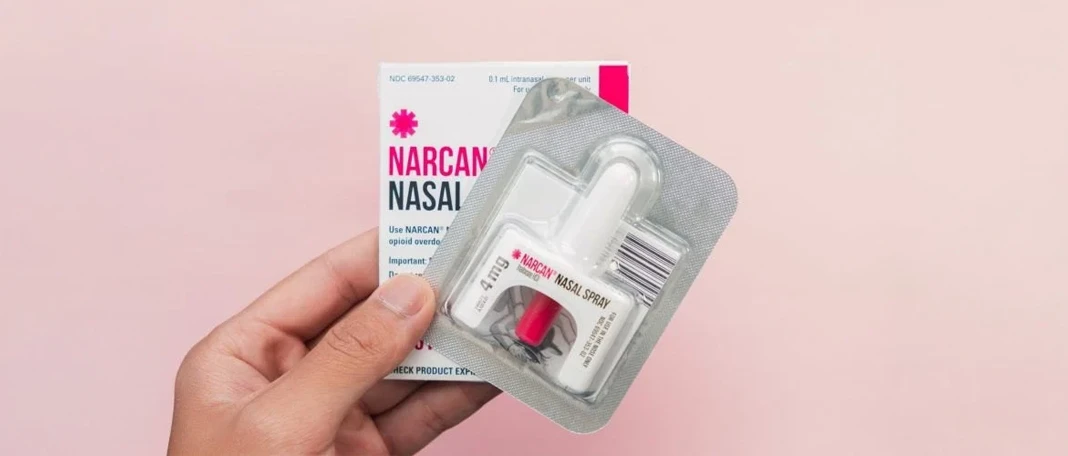
Naloxone is an opioid receptor antagonist that reverses overdose effects by blocking brain opioid receptors. It is administered by injection or nasal spray, with the injectable form used by medical professionals and the nasal spray for non-medical personnel. It is crucial due to the opioid epidemic and is carried by emergency services and individuals at risk.
Side Effects of Naloxone
- Withdrawal symptoms: It may cause opioid withdrawal symptoms in physically dependent individuals, but they are not life-threatening.
- Reversal of pain relief: It can rapidly reverse the analgesic effects of opioids, potentially causing sudden pain in individuals who are receiving opioid medications for pain management.
- Increased blood pressure and heart rate: Naloxone temporarily raises blood pressure and heart rate, not significant in emergencies.
- Sweating: Some individuals may experience increased sweating as a side effect of naloxone administration.
- Nervousness or anxiety: Naloxone can cause feelings of nervousness or anxiety in some people.
- Injection site reactions: In the case of naloxone administration via injection, there may be localized reactions at the injection site, such as redness, swelling, or pain.
How Does Naloxone Work?
Naloxone acts as an “Antagonist”. It rushes straight to the brain, binds to the opioid receptors, and blocks the connection by displacing the opioids.
The effects of Naloxone hydrochloride are rapid as it starts working within a fraction of a second. Naloxone blocks the opioid receptors and lasts from 30 to 90 minutes.
A single dose of Naloxone could be enough to reverse an overdose. Multiple doses are needed in case of extremely potent opioids.
Who Should Keep It at Hand?
- people who take high dosages of opioids.
- someone being treated for overdosage of opioids/opioid disorder.
- people who intake any combination of opioids with other medications.
FDA-Approved Forms of Naxolone
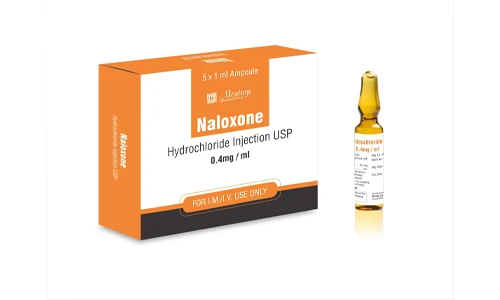
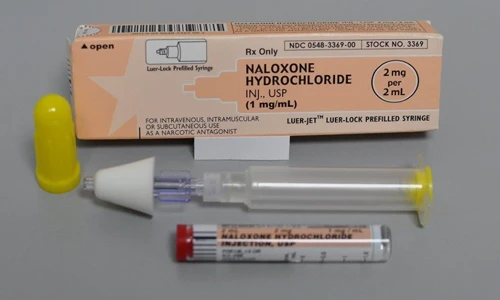
Naxolone hydrochloride is available in two forms: Injection and Nasal spray
Injection- professional training required
Auto-Injectable - an auto-injection device that is convenient in emergency cases. It could be injected by family members or emergency personnel.
Nasal spray - Narcan nasal spray, a pre-filled needle-free device could be sprayed into one nostril while the patient lies on the back. It requires no assembly, as it is designed to access in emergency cases.
What Is the Average Dose of Narcan?
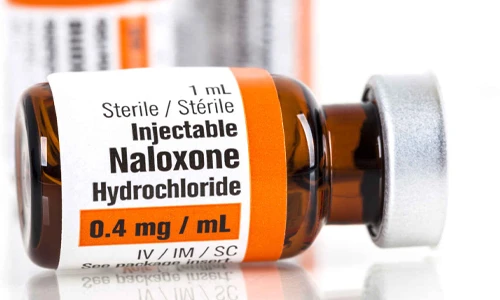
Naloxone comes in different brands with different dosages. Its potentiality may vary so the same product wouldn’t be effective for all.
Because Narcan comes as a nasal spray, patients take the average dose by spraying once into a nostril. Each bottle of Narcan contains one dosage (one spray) of Naloxone. If the person doesn’t respond within 2 to 3 minutes of the first dose, spray the second dosage without further delay. Continue the process for 2 to 3 minutes until the person responds.
Consult with your doctor in case you would like to know which Narcan product would be the best for you.
How to Use Naloxone?
Once the symptoms of the opioid are identified, follow the steps below to use naloxone
- If the person doesn’t respond to your voice or touch, lay them on their back before giving Narcan.
- Now grip on the spray with the thumb on the bottom of the plunger while holding the first and middle fingers on either side of Narcan.
- Bend the person’s head back, provide support under the neck, and mildly insert the nozzle into one nostril.
- Press the plunger thoroughly to pump the Narcan nasal spray.
After Narcan is given move the person to their side and call for emergency medical help right away.
Is It Safe to Use?
Since it is an FDA-approved medication it is safe to use. Remember that Naloxone is opioid specific medication, so there is no cause for concern.
Frequently Asked Questions About Naloxone
1. What is Naloxone, and what does it do?
Naloxone is an opioid antagonist medication that rapidly reverses an opioid overdose. It works by attaching to brain receptors, displacing opioids, and restoring normal breathing immediately.
2. How is Naloxone administered?
It is administered by bystanders as an easy-to-use nasal spray (Narcan) or as an injectable solution into a muscle. The nasal spray is the most common form for emergency use.
3. When should I administer Naloxone?
Administer it immediately if you suspect an overdose, indicated by unresponsiveness, extremely slow or stopped breathing, or pinpoint pupils. When in doubt, always give Naloxone.
4. Is Naloxone safe? Can it harm someone who hasn't taken opioids?
Yes, it is very safe. Naloxone is not an opioid and has no potential for abuse. If given to someone who hasn't taken opioids, it will have no effect and cause no harm.
5. What are the common side effects of Naloxone?
The primary side effect is inducing immediate and severe opioid withdrawal symptoms (nausea, vomiting, body aches) in someone who is opioid-dependent. These symptoms are not life-threatening.
1. How long does it take for Naloxone (Narcan) to work?
Naloxone is very fast-acting, with effects usually beginning within 2 to 3 minutes of administration. If there is no response after 3 minutes, give a second dose.
2. Does Naloxone wear off, and can the person overdose again?
Yes, it can wear off in 30 to 90 minutes, while the opioids may last longer. The person can easily slip back into an overdose, making calling 911 immediately essential.
3. Can I get Naloxone without a prescription?
In many countries, including the US, Naloxone nasal spray (Narcan) is approved for over-the-counter (OTC) purchase and is readily available at most pharmacies without a prescription.
4. What is the most important step after giving a dose of Naloxone?
The most critical step is to call emergency services (911) immediately after administering the first dose. Stay with the person until medical help arrives to provide monitoring and care.