If you’re already a fan of our simple salad recipes featuring greens, veggies, and protein — great! But this one’s a whole different story. We’re stepping away from the savory bowls today and talking all about fruit salad: what’s actually in it, what it does for your body, and why it deserves more than just a spot on a summer buffet table.
Fruit salad tends to get dismissed as a “side dish” or something you grab at a potluck. But when you put the right fruits together, you’re looking at one of the most nutrient-dense, hydrating, and genuinely satisfying things you can eat. Let’s get into it.
What Are the Benefits of Fruit Salad?
Fruit salad provides vitamins, antioxidants, fiber, and hydration in a single meal. Regularly eating fresh fruit salad may support digestion, skin health, hydration, immune function, and healthy weight management while helping reduce cravings for processed sweets.
Is Fruit Salad Good for You?
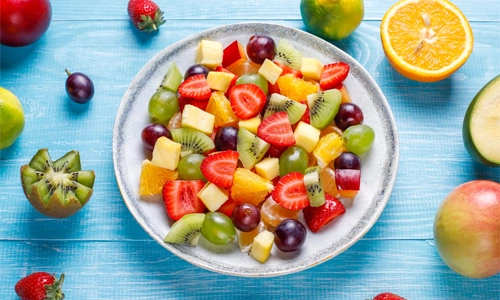
Short answer: yes, and here’s why. Fruit is loaded with vitamins, minerals, antioxidants, and natural fiber. When you combine multiple fruits in one bowl, you get a variety of nutrients that work together — something a single-fruit snack just can’t match.
The key is keeping it simple and fresh. Skip the canned fruit in syrup and the whipped cream toppings — fresh fruit tossed together with maybe a squeeze of lime or a drizzle of honey is where the real benefits of fruit salad come from.
The Real Benefits of Fruit Salad
1. It Floods Your Body With Antioxidants
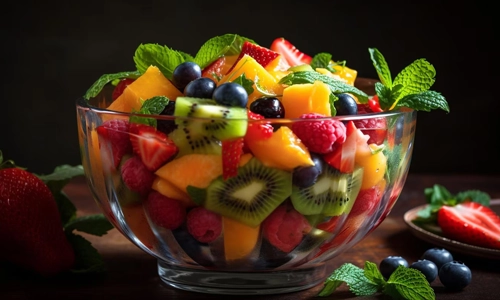
One of the biggest benefits of fruit salad is the sheer range of antioxidants you get in a single bowl. Blueberries bring anthocyanins. Strawberries deliver vitamin C and ellagic acid. Kiwi packs in lutein and zeaxanthin. Pomegranate adds punicalagins.
Antioxidants fight oxidative stress in the body — the kind of cellular damage that’s linked to aging, chronic inflammation, and diseases like cancer and heart disease. Eating a variety of colorful fruits at once gives your body a much wider spectrum of these protective compounds than eating just one fruit ever could.
The more colors on your plate, the more types of antioxidants you’re taking in. Think of a fruit salad as a rainbow with a purpose.
2. It Naturally Supports Digestion

Fruits are naturally high in dietary fiber, which keeps your digestive system moving the way it should. Apples, pears, and raspberries are especially fiber-rich. Papaya contains papain, an enzyme that actively helps break down proteins in the gut. Pineapple brings bromelain, another digestive enzyme.
If you struggle with bloating, sluggish digestion, or irregular bowel movements, adding a regular fruit salad to your day can genuinely help. The fiber bulks up stool and helps it move through more efficiently, while the natural water content in fruit keeps the digestive tract hydrated.
This isn’t something you’ll find in your morning granola bar — it’s a benefit that’s unique to whole, fresh fruit.
3. It Keeps You Hydrated Without You Even Trying
Most Americans don’t drink enough water. Fruit salad is an easy, delicious way to top up your hydration without drinking another glass of water you didn’t want. Watermelon is about 92% water. Strawberries are around 91%. Cantaloupe sits at roughly 90%.
When you eat water-rich foods, your body absorbs that hydration slowly and steadily — which is actually more effective than chugging a large amount of water at once. This is especially useful during summer months when dehydration sneaks up fast.
Good hydration supports everything from kidney function to energy levels to clear skin. A bowl of salad in the morning is a surprisingly effective head start.
4. It’s Great for Your Skin
The benefits of fruit salad extend right to your skin. Vitamin C — found in oranges, kiwi, strawberries, and mango — is essential for collagen production, which keeps skin firm and elastic. The antioxidants in berries reduce inflammation that shows up as redness or uneven skin tone.
Mango is rich in vitamin A, which helps with skin cell turnover and keeps your complexion looking fresh. The high water content in most fruits also reduces dryness and dullness from the inside out.
You don’t need an expensive supplement stack to support your skin — a consistent fruit salad habit delivers many of the same nutrients your skin actually needs.
5. It Satisfies Your Sweet Tooth Without Wrecking Your Diet
Here’s one of the most practical benefits of fruit salad: it’s naturally sweet without added sugars, and the fiber in fruit slows down how quickly that natural sugar hits your bloodstream. That means you get to satisfy a craving without the guilt, the crash, or the 400-calorie dessert.
Reach for a fruit salad instead of cookies or ice cream after dinner, and over time, it can make a real dent in your overall sugar intake. For people managing their weight or watching blood sugar, this kind of swap adds up more than you’d expect.
And unlike other “healthy” desserts that still taste like a consolation prize, a well-made fruit salad with great fruit actually tastes good.
How to Make Fruit Salad (That People Actually Want to Eat)

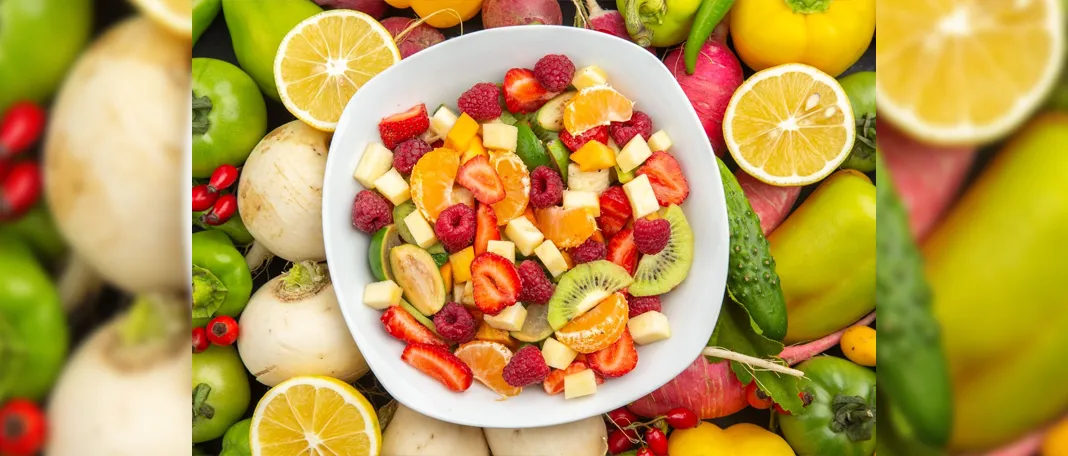
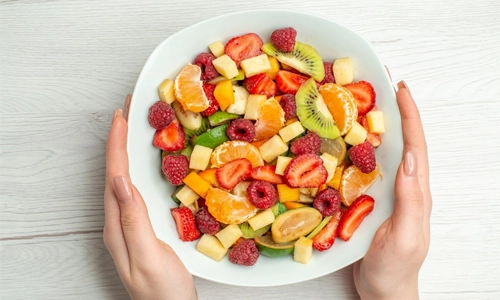
The best fruit salad recipe is the one that uses whatever’s ripe and in season. That said, here’s a crowd-pleasing base you can build from:
- Pick 4–6 fruits with different colors and textures: Think strawberries, blueberries, mango, green grapes, kiwi, and pineapple. Seasonal options always taste better.
- Cut everything into similar-sized pieces: Uniform chunks mean every bite has a mix of fruits, not one huge piece of watermelon and tiny berries.
- Add a simple dressing: A squeeze of fresh lime juice with a teaspoon of honey brightens all the flavors and keeps fruit from browning. Optionally, add a pinch of fresh mint.
- Serve fresh or refrigerate for up to 2 hours: Fruit salad is best eaten the same day. The longer it sits, the softer it gets and the more juice pools at the bottom.
That’s genuinely it. No cooking, no complicated prep, no fancy equipment. This is the kind of fruit salad recipe that takes 10 minutes and impresses everyone.
Best Fruits to Include for Maximum Benefits

- Strawberries — high in vitamin C and antioxidants, great for skin and immunity
- Blueberries — top-tier for brain health and reducing inflammation
- Mango — rich in vitamins A and C, great for skin and immune function
- Kiwi — more vitamin C per ounce than an orange, supports immunity and digestion
- Pineapple — contains bromelain for digestion, anti-inflammatory properties
- Watermelon — high water content, lycopene for heart health
- Pomegranate arils — powerful antioxidants, adds a jewel-like pop of color and tart flavor
Disclaimer: This article is for informational purposes only and is not intended as medical advice. If you have diabetes, food allergies, digestive conditions, or other health concerns, consult a healthcare professional before making significant dietary changes.
Frequently Asked Questions
Is fruit salad good for you every day?
Yes, eating fruit salad daily is a healthy habit for most people. It provides a range of vitamins, fiber, antioxidants, and hydration. Just watch the portion size if you’re managing blood sugar.
What are the main benefits of fruit salad?
Key benefits include antioxidant protection, improved digestion, better hydration, healthier skin, and a satisfying way to reduce sugar cravings without added sweeteners.
How do you make fruit salad taste better?
A squeeze of fresh lime juice and a teaspoon of honey elevates any fruit salad. Fresh mint, a pinch of chili powder on tropical fruits, or a splash of orange juice all work well too.
What fruits should not go in a fruit salad?
Avoid overripe or very watery fruits if you want good texture. Bananas are great but add them just before serving since they brown quickly. Avoid canned fruit in heavy syrup if you want the health benefits to hold up.
Is fruit salad good for weight loss?
Fruit salad is naturally low in fat and calories while being high in fiber and water, which helps you feel full. It’s a smart swap for processed snacks or sugary desserts when you’re managing weight.
How long does fruit salad stay fresh?
Fruit salad is best eaten within 1–2 hours of making it. If you need to prep it ahead, store it in an airtight container in the fridge for up to 24 hours. A squeeze of citrus juice helps prevent browning.
The benefits of fruit salad are real, well-researched, and accessible to everyone regardless of budget or cooking skill. You don’t need a gym membership or a complicated meal plan to start eating better — sometimes the simplest habits make the biggest difference.
Grab whatever’s fresh, chop it up, and eat it. Your body will thank you for it.