Many of us spit out the seeds while eating grapes. Others just swallow the seeds because they cannot find a dustbin nearby, or even because of laziness! But did you know that the seeds of grapes contain lots of nutrients and are good for your health? By the time you finish reading this blog, we are sure you will be convinced that grape seeds and their extract can work wonders for your health. So let’s start discussing the major health benefits of grape seeds.
Before we plunge into the benefits, let’s be clear about one thing. Many of us might wonder if swallowing or eating grape seeds might be harmful to our health. The answer is no! They are harmless, and as stated above, they can be beneficial to the body. People with certain conditions are requested not to consume them, but we shall discuss that in the later part of this blog.
The Nature of Grape Seeds
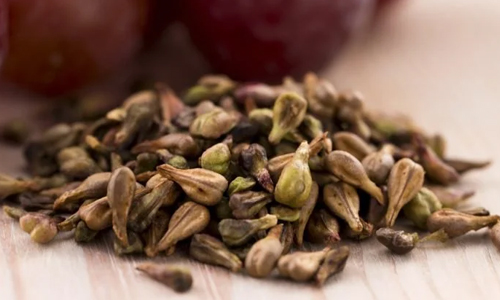
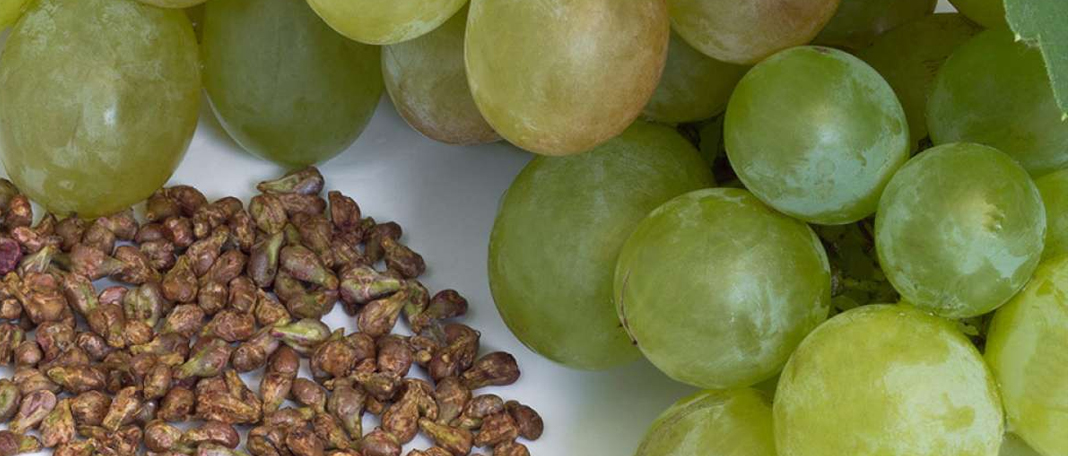
You might have noticed that the seeds of grapes are tiny, crunchy, and pear-shaped. You can find them at the center of seeded grapes. They are not that tasty. And yes! They have a bitter flavor, which is why many spit them out. Take a close look at these seeds the next time you eat grapes.
Many grape varieties come with seeds, while others are seedless. However, to enjoy the full benefits of grapes, you can eat the seeds as well.
Do They Help with Weight Loss?

The seeds of grapes can speed up metabolism, which is essential for weight loss. Further, they inhibit the deposition of fat in your body. They help balance the good and bad cholesterol levels, thereby aiding in faster weight loss.
Black and red grapes contain a plant compound called “ellagic acid,” which might help burn tummy fat. However, if you are taking any fever medication, it’s better to avoid eating them.
Grape Seeds for Skincare

Here’s yet another one of the benefits of grape seeds. The polyphenols in the seeds can do wonders for the skin. The benefits that the seeds offer are listed below.
- Improves skin elasticity
- Regulates sebum secretion
- Reduces the signs of aging
- Rejuvenates the skin
- Clears dead skin cells
- Enhances overall appearance
The proanthocyanidins in grape seeds can also minimize the severity of skin cancer! This takes us to the next health benefit of the seeds described below…
Anti-Cancerous Properties
Since grape seeds are rich sources of antioxidants like flavonoids and proanthocyanidins, they are considered anti-cancerous. They help inhibit the growth of tumors in the body. To put it in a nutshell, these antioxidants are associated with reduced risks of various types of cancer.
Allergy Prevention

Researches on grape seeds indicate that they might prevent allergic reactions to some extent. Let’s see how!
When your body is attacked by foreign elements, such as viruses or bacteria, the immune system starts the production of histamines. They are responsible for causing allergic symptoms like a sore throat, or runny nose. Grape seeds decrease the production of histamines. However, more research is needed to confirm their effectiveness in allergy prevention.
Can you Eat Seeds in grapes?
you can munch on them! Some people do not prefer the texture of grape seeds or their slightly bitter taste, but it is completely okay to swallow them. They also have a bit of a nutritional surprise – antioxidants and vitamins – so you get a little extra with your snack. Do not be too concerned about the texture; they go through your gastrointestinal tract intact. Therefore the next time you decide to take a grape in your mouth you can chew it with the seeds intact or spit it out if all you want is seedsless grapes.
For the Immune System

The flavonoids in grape seeds can stimulate vitamin C production. The seeds also contain vitamin E. Both vitamins strengthen the immune system such that it can actively fight against viruses and bacteria.
So if you wish to boost your immunity, why not try some grape seeds?
What Is Grape Seed Extract?
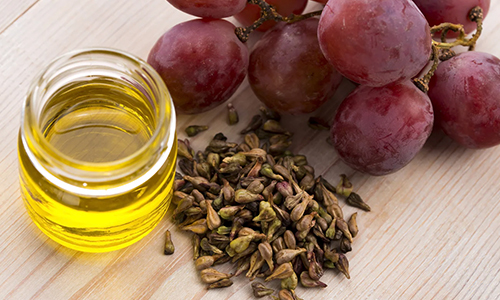
Grape seed extract (GSE) is nothing but a by-product of grape seeds. The extract is obtained from the seeds using certain solvents. It is then spray-dried and mixed with filler ingredients to avoid clumping. Read on to find out the benefits of grape seed extract.
Grape Seed Extract for Blood Pressure Management

It is said that grape seed extract can help regulate blood pressure levels. The antioxidants present in the extract safeguard blood vessels from damage.
Let’s take a quick look at a study conducted on 29 individuals with high blood pressure. This group was asked to take 300 mg of GSE every day for 6 weeks. Do you know what impact GSE had on the group? Here are the results of the test!
- Their systolic blood pressure was reduced by 5.6%.
- Their diastolic blood pressure was reduced by 4.7%.
The study shows the positive impact of GSE on people with high blood pressure.
GSE for Bone Health

Collagen is a form of protein that is crucial to bodybuilding. The flavonoids available in GSE promote collagen production and bone formation. Thus, GSE plays a prominent role in increasing bone density and improving bone strength.
Certain studies conducted on animals show that adding GSE to a diet rich in calcium helps improve both bone strength and density. GSE was also found to reduce cartilage loss in some animals. However, the benefits of grape seed extract in the area of bone health need to be confirmed in humans. In other words, more research is required in this area.
Who Must Avoid Consuming Grape Seed Extract?

Pregnant and breastfeeding mothers must avoid grape seeds and their extracts. People who take blood-thinning medicines should also avoid them. The reason is that grape seed extract, by itself, can act as a blood thinner. If people already under blood-thinning medication consume the seeds or the extract, it might increase the risks of bleeding. Hence, doctors/healthcare providers advise patients against grape seeds if they are under blood-thinning medication.
Moderation Is Key!

We hope this blog on the benefits of grape seeds and their extracts has proved helpful to you! Whether you wish to add grape seeds or their extract to your diet, do it in moderation. Before you start consuming them, consult your doctor, and find out the number of seeds/amount of extract you can take per day.
Frequently Asked Questions (FAQs)
1. What are the benefits of grape seed extract for skin?
Grape seed extract is rich in antioxidants like proanthocyanidins and vitamin E, which help reduce wrinkles, protect against UV damage, and promote skin repair for firmer, glowing skin.
2. When is the best time to take grape seed extract?
It’s generally best taken with meals—especially breakfast or lunch—to support absorption. Dividing the dose (if in tablet or capsule form) may help maintain steady levels in the body.
3. Can grape seeds kill you?
No—grape seeds themselves are not lethal. However, taking very high doses of grape seed extract or oil can cause mild side effects like headache, nausea, or digestive discomfort in sensitive individuals.
4. What do grape seed extract tablets offer?
Grape seed extract tablets provide standardized doses of proanthocyanidins, which support heart health, circulation, and antioxidant protection without eating grape seeds directly.
5. Is grape seed oil good for hair health?
Yes—grape seed oil is lightweight, non-greasy, and rich in linoleic acid. When applied topically, it can moisturize the scalp, strengthen hair follicles, and minimize hair breakage.
6. Grape seed oil vs olive oil: which is healthier?
Both oils have benefits. Grape seed oil has higher oxidative stability and a lighter texture, making it good for higher-heat cooking and hair care. Olive oil offers heart-healthy monounsaturated fats and a richer flavor profile.
7. Is grape seed oil bad for you?
In general, it’s safe when used in moderation. But if you’re allergic or overuse it (especially orally), you may experience mild digestive upset or allergic reactions. Avoid overheated grape seed oil, which could lead to oxidized fats.
8. How much grape seed extract should you take per day?
Typical daily doses range from 100–300 mg of standardized extract (50–80% proanthocyanidins). Consult a healthcare provider to match dosage to your specific health needs.
9. Are there anyone who should avoid grape seed extract?
Avoid if you’re pregnant or breastfeeding, have a bleeding disorder (as it may thin blood), or are undergoing certain medications like blood thinners or chemotherapy. Always consult your physician first.
10. Can grapefruit seed extract (not grape seed) be used during pregnancy?
These are different extracts. Grapefruit seed extract may interact with medications and is not generally recommended during pregnancy. Always talk to a healthcare provider before using any herbal supplements while pregnant.
11. Could grape seed extract cause side effects in the liver?
While generally safe, large doses of grape seed extract may cause mild liver enzyme elevations in rare cases. Stick to recommended doses and consult your doctor, especially if you have liver conditions.