A baby’s tiny hands are constantly exploring the world. From grabbing a parent’s finger to picking up a toy, these little movements are more important than they seem. They are building blocks of fine motor development, which help children learn essential skills like writing, buttoning clothes, and feeding themselves later in life. Many parents naturally wonder how they can improve fine motor skills in their baby during those crucial early months. The good news is that simple, everyday activities can make a huge difference.
Let’s explore some effective and fun ways to support your baby’s hand and finger development.
Why Fine Motor Skills Are Important for Babies
Fine motor skills involve the coordination of small muscles in the hands and fingers. These skills allow babies to perform precise movements like grasping, pinching, and eventually holding objects.
Strong fine motor development helps with:
- Hand-eye coordination
- Self-feeding
- Drawing and writing later in childhood
- Independence in daily tasks
- Cognitive and sensory development
Because these skills develop gradually, providing the right stimulation early on can help babies build confidence and coordination.
1. Encourage Tummy Time
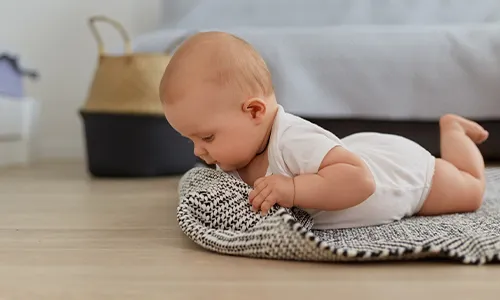
Tummy time is often associated with neck and shoulder strength, but it also helps develop the muscles that support hand movements.
When babies push themselves up during tummy time, they strengthen their arms and wrists. This stability is essential for later activities such as grabbing toys or holding a spoon.
Try placing colorful toys just out of reach so your baby naturally stretches their arms toward them.
2. Offer Safe Grasping Toys
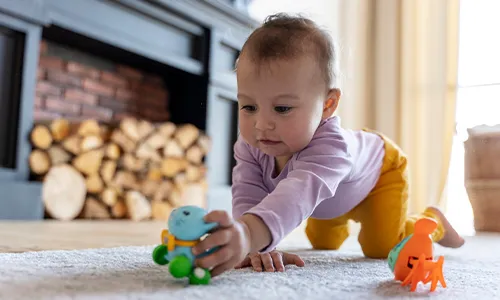
One of the simplest ways to improve fine motor skills is by giving babies toys that encourage gripping and holding.
Soft rattles, textured balls, and lightweight blocks allow babies to practice grasping and transferring objects between hands.
Look for toys that:
- Are easy to grip
- Have different textures
- Encourage squeezing or shaking
These small actions help strengthen finger muscles and improve coordination.
3. Let Your Baby Explore Different Textures
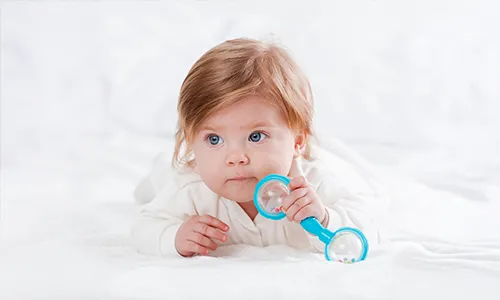
Babies learn a lot through touch. Introducing different textures helps stimulate the sensory system and improves hand control.
You can let your baby explore:
- Soft fabric books
- Silicone teething toys
- Crinkly materials
- Rubber toys
Touching and squeezing these objects helps babies understand how their hands interact with the world.
4. Practice Finger Play and Nursery Rhymes
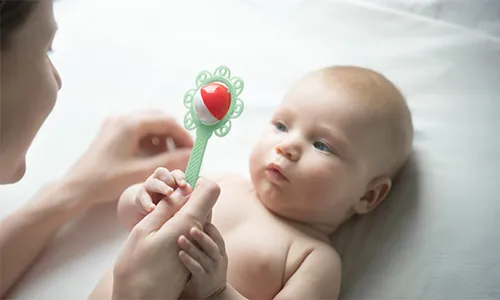
Songs and finger games are not just entertaining. They are also powerful tools to improve fine motor skills.
Classic rhymes such as finger plays encourage babies to watch and imitate hand movements. Over time, babies begin trying these movements themselves.
These playful moments also strengthen bonding between parents and children.
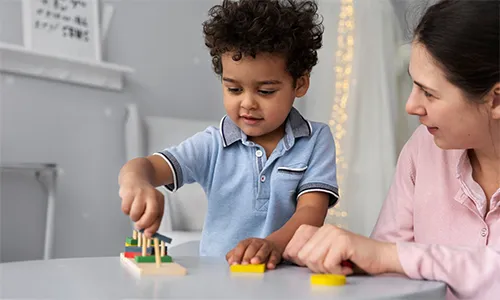
5. Introduce Stacking or Sorting Toys
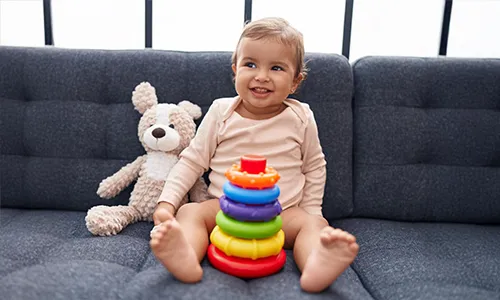
Around 8 to 12 months, babies start enjoying toys that involve stacking or placing objects into containers.
Activities like:
- Dropping blocks into a cup
- Stacking rings
- Putting toys into boxes
These tasks require controlled hand movements and improve coordination between the fingers and eyes.
6. Encourage Self-Feeding
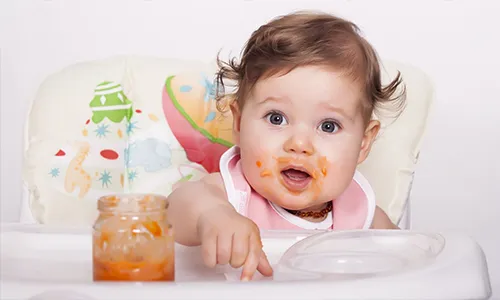
When babies begin eating finger foods, they naturally practice fine motor movements.
Picking up small pieces of food like soft fruits or cereal encourages the pincer grasp, where the thumb and index finger work together.
This milestone is a major step in motor development and helps babies gain independence.
7. Give Your Baby Plenty of Free Play
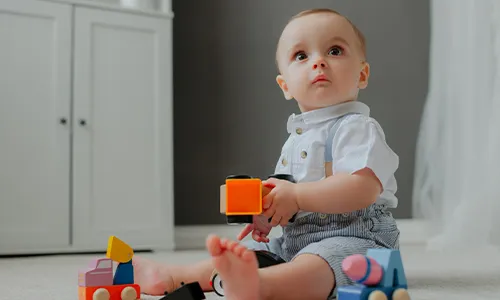
Sometimes the best way to improve fine motor skills is simply allowing babies to explore freely.
Unstructured play lets them experiment with movements like:
- Grabbing toys
- Dropping objects
- Transferring items between hands
- Turning pages in board books
These repetitive actions strengthen muscles and refine coordination over time.
FAQs
What are fine motor skills in babies?
Fine motor skills involve the use of small muscles in the hands and fingers to perform precise movements such as grasping toys, picking up food, or holding objects.
At what age do babies develop fine motor skills?
Fine motor skills start developing from birth. Babies begin grasping objects around 3 to 4 months and develop the pincer grasp between 8 and 12 months.
How can parents improve fine motor skills at home?
Parents can improve fine motor skills through activities like tummy time, offering grasping toys, encouraging finger foods, playing finger games, and allowing plenty of hands-on exploration.
Do toys really help develop motor skills?
Yes. Toys that encourage grasping, squeezing, stacking, or sorting can strengthen finger muscles and improve hand-eye coordination.
Can delayed motor skills be treated?
In many cases, yes. Pediatricians or occupational therapists can recommend exercises and activities that support healthy motor development.
When Should Parents Be Concerned?
Every baby develops at their own pace. However, parents may want to consult a pediatrician if a baby:
- Rarely uses their hands to grab objects
- Shows stiffness in their fingers or arms
- Does not attempt to reach for toys by around 5 to 6 months
- Struggles to hold objects by 9 months
Early guidance can help address developmental concerns and ensure the child receives proper support.