

Have you heard of ackee? Just like a tomato, ackee is also a fruit, but is usually used as a vegetable, especially in cooking! These fruits grow on evergreen trees, which were brought on slave ships to Jamaica, years ago. The fruit is also known as “achee,” or “akee.” Do you know that some refer to it as “ackee apple?”
The fruit is a member of the ‘soapberry” family, to which lychees and longans also belong. Many say that these berries are like scrambled eggs. But the taste of cooked ackee is unique and much different from that of scrambled eggs!
What is Ackee Fruit?
Ackee fruit originated from West African countries and is popularly eaten in Jamaica due to its distinctive taste and feel. It is edible when prepared correctly and usually used in preparation with salted fish. However, the immature fruit part of the ackee contains toxins that could lead to severe illness and, therefore requires careful handling.
In this blog, let’s take a detailed look at this wonder fruit and discuss its nature, health benefits, and risks. Shall we begin?
How Is the Fruit Considered in Jamaica?

Did you know that the ackee is the national fruit of Jamaica? Yes! It’s pretty popular in this island country. The fruit is eaten along with saltfish in the Caribbean region, and it’s the national dish of Jamaica. It is also used in soups, creamy sauces, and in various types of desserts, such as custards and cakes. You can even sautee these berries.
Which Part of the Fruit is Edible?

You cannot eat the whole ackee fruit. The black seeds and the red lining of the fruit are not edible. However, the fleshy, yellow parts, called “arils,” are edible.
The unripe fruits are poisonous. However, you can consume them when they are ripe. The pods of these berries split open on the trees when they are mature and Jamaicans humorously say that the berries “smile” or “yawn” at them!
Eating unripe ackee berries is unsafe even if they are cooked because they contain toxins that can harm your liver. Moreover, it might lead to hypoglycemia, which can become fatal in the worst cases. Even though these berries have several health benefits, you must consult your doctor or healthcare provider before adding them to your diet. Here is a study from the NIH on ackee fruit toxicity.
Types of Ackee

The fruits are classified into two main types - “butter” and “cheese.” The butter type is delicate, deep yellow, and is suitable for cooking. Many cuisines consist of dishes made from buttery ones. On the other hand, the cheese type is pale yellow, harder, and firmer than the buttery type. It is mostly used in the canning industry.
Nutrients in the Fruit
The fruits are rich in protein, vitamins A and C, and minerals like iron, calcium, and zinc. They offer a host of health benefits.
Nutritional Information
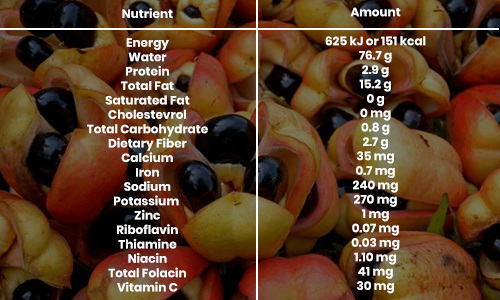
A 100g serving of canned and drained ackee contains the following nutrients:
Health Benefits of Ackee
Feel free to have a look at the advantages of eating ackee!
1. Good for Digestive Health

The berries are rich sources of dietary fiber, which is crucial for bowel movement and digestive health. They prevent stomach-related problems and help avoid constipation. Since ackee boosts metabolic rates, it also helps with weight loss. So you can add some of these fruits to your diet after consulting your doctor.
2. Maintains Cholesterol Levels

Ackee contains the following:
- Linoleic acid
- Palmitic acid
- Stearic acid
The above are sources of fats that are beneficial to the body. Ackee aids in the maintenance of “good” cholesterol (HDL), which, as the name indicates, is advantageous to your health. It aids in the removal of the other forms of cholesterol, like “bad” cholesterol (LDL). If the LDL levels in your body are high, you are at increased risk of heart disease and stroke. Thus, by regulating and increasing the levels of HDL, ackee keeps obesity and heart problems at bay.
3. Acts against Nervous Problems

Yet another advantage of the ackee fruit is its ability to protect you from nervous problems. It contains Niacin, which is nothing but Vitamin B3. It helps the nervous system function better and also acts against epilepsy and similar nervous disorders.
4. Contributes to Skin Health

As stated earlier, the fruit is rich in vitamin C, which is critical for skin health. People who consume more amounts of this vitamin have a more youthful look when compared to those who take less. Vitamin C is also known to reduce the formation of wrinkles on the skin. This is the reason why this vitamin is a major ingredient in many anti-aging products. Therefore, say yes to healthy, glowing skin with these berries!
5. Roles in Teeth and Bone Health

You might know that calcium is essential for strong teeth and bones. Ackee is rich in minerals like calcium and iron. While iron plays a prominent role in maintaining hemoglobin levels, the calcium in the berries protects your bones and teeth. Your body cannot produce calcium on its own. So you must get it from the foods and supplements you consume. Eating ackee fruits is an excellent way of taking calcium and other essential minerals.
More Benefits…

Many people in Jamaica and the surrounding areas use crushed ackee leaves to treat headaches. The berries can be utilized to bring down fever and dysentery too. It’s said that their skin can be used to cure ulcers. This might be true, but more research is required in this area of study.
What Is Jamaican Vomiting Sickness?

As mentioned earlier, eating unripe ackee berries is dangerous and can lead to severe health consequences. The illness that is caused by consuming such unripe berries is known as “Jamaican vomiting sickness.” Hypoglycemia and profuse vomiting are some of the clinical manifestations of this condition. Reports of this sickness in Jamaica date back to 1904.
Enjoy Eating the Berries but Remember the Risks Too!
Have you heard this saying?
Time to Make a Wish
For Ackee and Saltfish!
Frequently Asked Questions
What is ackee fruit?
Ackee (scientific name Blighia sapida) is a tropical fruit, native to West Africa but popularly eaten in the Caribbean.
Is ackee always safe to eat?
No — only the yellow arils inside a fully ripened, naturally opened ackee pod are safe. Unripe fruit, rind, or seeds are toxic. U.S.
What makes ackee dangerous when unripe?
Unripe ackee contains toxins (like Hypoglycin A) that can cause severe hypoglycemia, vomiting, even coma or death.
What nutrients does ripe ackee provide?
Ripe ackee offers healthy fats (linoleic, palmitic, stearic acids), proteins, fiber, vitamin C, iron, calcium, and B-vitamins.
How should ackee be prepared and eaten safely?
Only eat ackee whose pod has naturally opened (“yawned”), discard seeds & rind, boil the arils properly, and avoid unripe or suspicious ackee.
Can ackee poisoning be prevented by cooking?
No — toxins like Hypoglycin A are heat-stable. Proper ripening and correct part selection (only the arils) matter more than just cooking.
Are there any health benefits associated with ackee?
Yes — when eaten safe, ackee may contribute healthy fats, fiber, vitamins and minerals useful for digestion, immunity and overall nutrition.
Who should avoid eating ackee?
Children, pregnant or breastfeeding women — or anyone uncertain about proper ripeness — should avoid ackee, because safety and effects are uncertain.
Ackee can make a meal or dessert more delicious. However, take into account all the risk factors associated with this fruit. Pay a visit to your doctor if you intend to add it to your diet, and stick to their suggestions. Stay safe and stay healthy!