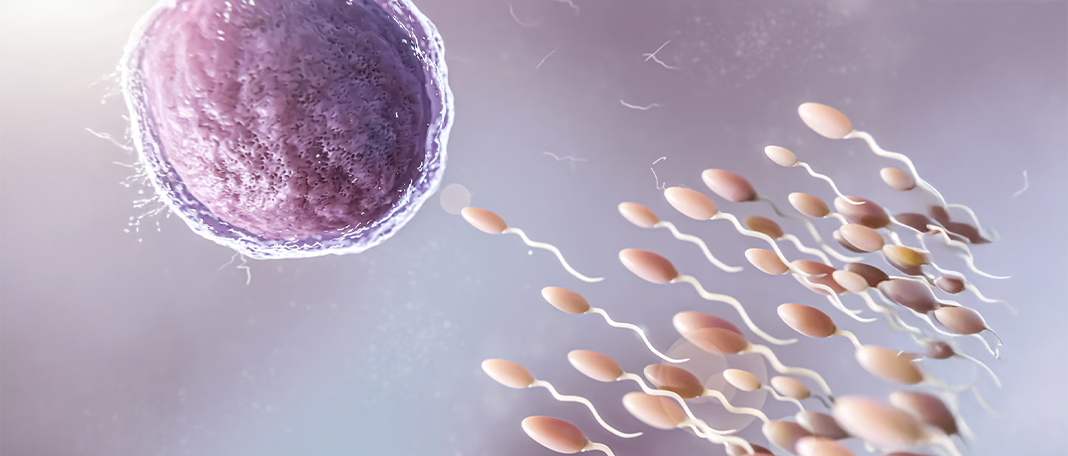
When it comes to fertility, most men think it’s a matter of timing and luck — but the reality is, everyday habits can silently harm your sperm. Sperm health isn’t just about count; it’s about quality, shape, movement, and genetic integrity. Whether you’re planning for a baby now or in the future, protecting your sperm is protecting your chances at fatherhood. Here are six major ways you might be sabotaging your fertility without even realizing it.
1. Overheating the Testicles
Your testicles are designed to hang outside your body for a reason — sperm production thrives at a temperature slightly cooler than your core body heat. But modern habits are making them sweat, literally.
Common Culprits
- Prolonged laptop use directly on your lap
- Frequent hot tub or sauna sessions
- Tight underwear or skinny jeans
- Sitting for long hours without breaks
Why it Matters
Heat damages developing sperm cells, reducing both their number and motility. Research shows that even a few degrees of temperature increase can lower sperm count temporarily.
What to Do
Opt for looser boxers instead of briefs, avoid prolonged heat exposure, and give your lap a break from electronics.
2. Poor Diet & Nutrient Deficiencies
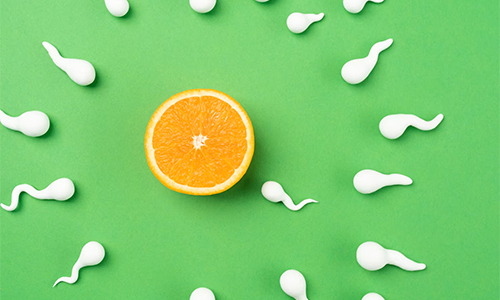
You are what you eat — and so is your sperm. Diets high in processed foods, trans fats, and excessive sugar can lead to oxidative stress, which can damage sperm DNA.
Nutrients Essential for Sperm Health
- Zinc: Found in shellfish, seeds, and nuts, zinc boosts testosterone and sperm quality.
- Vitamin C: Helps prevent sperm clumping and protects against oxidative damage.
- Omega-3 fatty acids: Improve sperm shape and motility.
What to Do
Focus on a diet rich in leafy greens, fruits, whole grains, lean proteins, and healthy fats. Avoid excessive alcohol and junk food.
3. Smoking, Alcohol & Recreational Drugs
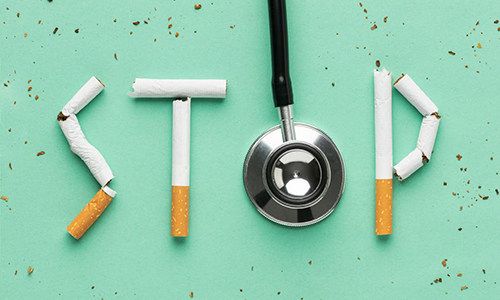
Cigarette smoke is loaded with toxins that directly harm your sperm. Alcohol, when consumed excessively, disrupts hormone levels, leading to lower testosterone and reduced sperm production. Recreational drugs like marijuana, cocaine, and anabolic steroids can have severe, long-term impacts.
Why it Matters
- Smoking increases sperm DNA fragmentation.
- Heavy drinking lowers testosterone and increases abnormal sperm.
- Certain drugs can stop sperm production entirely.
What to Do
Quit smoking, limit alcohol to moderate levels, and steer clear of recreational drugs if fertility is a goal.
4. Chronic Stress & Poor Sleep

Stress doesn’t just affect your mind — it can also damage your sperm. High stress levels raise cortisol, which can suppress testosterone production.
Poor sleep = Poor sperm health
Testosterone is produced mainly during deep sleep. Sleep deprivation disrupts this process, lowering sperm quantity and quality.
What to Do
Practice stress management techniques such as meditation, exercise, or even short nature walks. Aim for 7–9 hours of quality sleep per night.
5. Exposure to Environmental Toxins
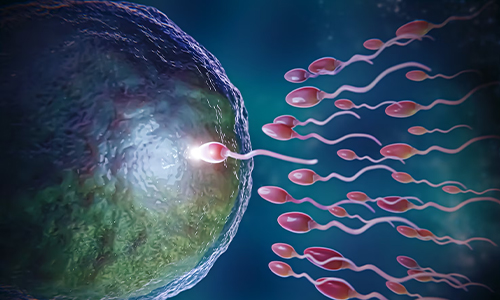
Men working in certain environments — agriculture, painting, construction, or manufacturing — may be exposed to pesticides, heavy metals, or industrial chemicals that harm their sperm.
Common Offenders
- BPA in plastics
- Pesticide residues in non-organic produce
- Heavy metals like lead and mercury
- Industrial solvents and fumes
What to Do
Limit plastic use (especially for food storage), wash fruits and vegetables thoroughly, and use protective gear if your work involves chemical exposure.
6. Neglecting General Health & Medical Conditions
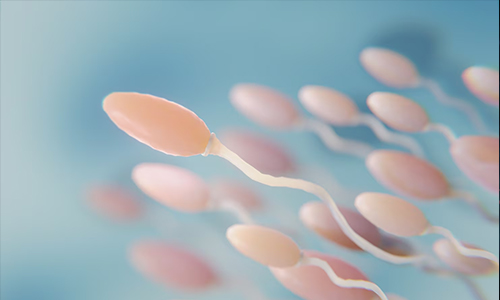
Certain medical conditions can directly affect sperm production and function, including:
- Varicocele: Enlarged veins in the scrotum that increase temperature
- STDs and infections: Can damage sperm-producing tissues
- Uncontrolled diabetes: Impairs blood flow and nerve function
What to Do
Get regular check-ups, treat infections promptly, manage chronic illnesses, and maintain a healthy weight. Even something as common as prolonged fever can temporarily reduce sperm quality, so rest and recover fully before trying to conceive.
Sperm health is more fragile than most men realize, but it’s also resilient. The sperm you produce today reflects the last 72 days of your lifestyle. That means positive changes now can improve your fertility in as little as three months. Protect your future — don’t let daily habits silently harm your sperm.
FAQs on Sperm Health & Fertility
How to make sperm stronger for pregnancy?
Eat nutrient-rich foods, exercise moderately, avoid smoking/alcohol, and reduce heat exposure.
What 2 diseases can cause sterility in males?
Mumps (especially post-puberty) and sexually transmitted infections like chlamydia or gonorrhea.
Does having a cold affect sperm quality?
Mild colds typically don’t, but a high fever can temporarily lower sperm count for several weeks.
Can a man recover from low sperm count?
Yes. In many cases, lifestyle changes, medications, or surgery (for varicocele) can improve sperm count.
What kills sperm in the body?
Heat, toxins, infections, and certain chemicals can damage or kill sperm.
How long does a fever affect sperm?
A high fever can affect sperm for 2–3 months, the time it takes for a new sperm cycle.
What are the signs of low sperm count?
Often, there are no obvious signs, but difficulty conceiving after a year of trying may indicate an issue.
How do you know if your sperm is unhealthy?
A semen analysis is the most reliable method for assessing sperm count, shape, and motility.
What can mess up your sperm count?
Smoking, heavy drinking, poor diet, certain medications, and prolonged heat exposure.
Can a man produce infertile sperm?
Yes, sperm may be produced but may not be capable of fertilizing an egg due to poor motility or DNA damage.
What will happen if you waste your sperm daily?
Frequent ejaculation doesn’t harm sperm production long-term, but it may lower count temporarily.
What affects sperm health?
Lifestyle, diet, environment, medical conditions, and age.
How to increase sperm volume?
Stay hydrated, consume zinc-rich foods, and maintain a healthy lifestyle.
How to produce more sperm?
Regular exercise, a nutrient-dense diet, and avoiding harmful substances help.
How to increase male fertility?
Improve overall health, avoid toxins, maintain a healthy weight, and manage stress.
Is low sperm count treatable?
Yes, depending on the cause. Treatments range from medication to surgery.
How to get pregnant with low sperm count?
Medical options like IUI or IVF may be considered alongside lifestyle improvements.
How do you know a sperm is dead?
A lab analysis will determine sperm viability.
What is the fastest way to cure low sperm count?
There’s no instant fix, but targeted treatment and healthy habits can improve counts in months.
Can a man have no sperm at all?
Yes, this condition is called azoospermia.
Best food for sperm recovery?
Oysters, spinach, walnuts, citrus fruits, and salmon.
How to increase sperm volume overnight?
Not realistically possible; improving volume takes consistent effort over weeks.
Can eating eggs increase sperm count?
Yes, eggs are rich in protein and vitamin E, which can support sperm production.