Lettuce gets treated like a background player. It’s the thing under the chicken, the filler in a wrap, the bowl everyone picks up and puts back at a salad bar. Most people never stop to think about what it actually does for their body — and that’s a shame, because the lettuce health benefits are genuinely impressive.
This leafy green is low in calories, surprisingly rich in key nutrients, and comes in enough varieties that there’s almost no excuse not to eat it. Whether you’re reaching for a bag of romaine, a head of iceberg, or something a little more interesting — here’s what you need to know.
Types of Lettuce: Which One Are You Actually Eating?

Not all lettuce is created equal. Different types of lettuce offer different nutrient profiles, textures, and flavors. Here’s a quick breakdown of the most common ones you’ll find in US grocery stores:
| Type | Flavor/Texture | Best Known For |
| Romaine | Crisp, slightly bitter | High in vitamin A, K, and folate; great for Caesar salads |
| Iceberg | Crunchy, very mild | High water content, low calorie; keeps you hydrated |
| Butterhead (Boston/Bibb) | Soft, buttery, sweet | Higher iron and vitamin C than iceberg |
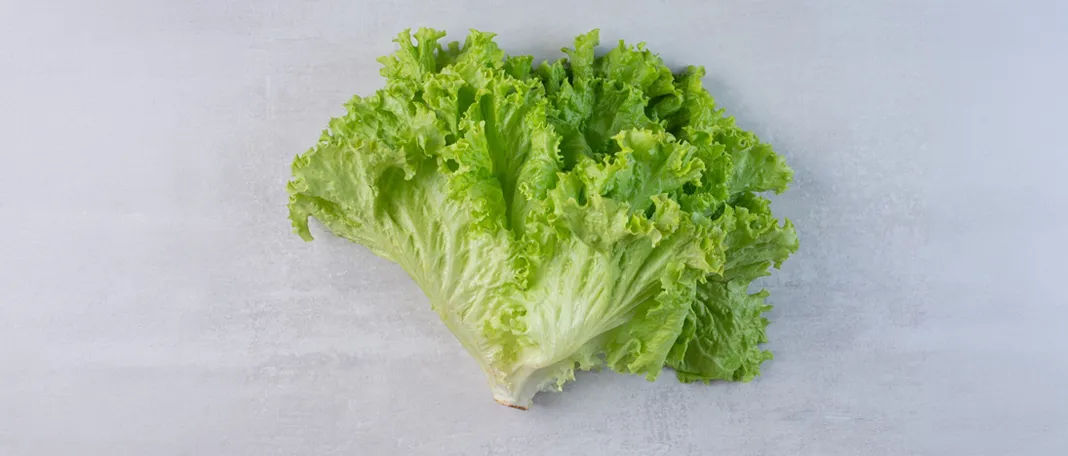
| Green Leaf | Mild, tender, slightly ruffled | Good all-around option with decent antioxidant content |
| Red Leaf | Mild, slightly earthy | Rich in anthocyanins (the pigments that fight inflammation) |
| Arugula* | Peppery, bold | High in glucosinolates, linked to cancer-fighting properties |
*Technically a leafy green in the same family, commonly grouped with lettuces.
Nutrients in Lettuce: What’s Actually Inside

Before getting into the benefits, it helps to know what you’re working with. The nutrients in lettuce vary by type, but here’s what a typical 2-cup serving of romaine (roughly 85g) delivers:
- Calories: ~14
- Vitamin K: ~104mcg (about 87% of your daily value) — one of its standout nutrients
- Vitamin A: ~205mcg RAE (roughly 23% DV)
- Folate: ~64mcg (16% DV) — critical for cell repair and pregnancy
- Vitamin C: ~11mg (12% DV)
- Potassium: ~232mg (5% DV)
- Calcium: ~33mg
- Iron: ~0.9mg
- Fiber: ~1.8g per 2 cups
It’s also about 95% water and virtually fat-free. That combination of hydration, vitamins, and extremely low calorie density is exactly why eating lettuce every day actually adds up to something meaningful over time.
Lettuce Health Benefits Worth Knowing
1. It Supports Bone Health Through Vitamin K
Lettuce is one of the richest vegetable sources of vitamin K, and it is essential for bone metabolism. It activates proteins that help bind calcium into bone tissue, which means it directly supports bone density and reduces your fracture risk over time.
For context, a single 2-cup serving of romaine provides nearly 90% of your daily vitamin K requirement. If you’re worried about bone health as you age — or have a family history of osteoporosis — adding lettuce to your daily diet is a simple, low-effort way to support your skeleton.
2. It Helps You Stay Hydrated
With a water content of around 95%, lettuce is one of the most hydrating foods you can eat. And this matters more than most people realize. Mild, chronic dehydration is extremely common in the US, and it shows up as fatigue, headaches, difficulty concentrating, and sluggish digestion.
Eating water-rich foods like lettuce contributes to your total daily fluid intake in a way that’s slow and steady — which is actually better for your body than drinking large amounts of water all at once. Iceberg lettuce in particular is exceptional here, clocking in at the highest water content of all the types.
3. It Can Help You Sleep Better
This one surprises people. Lettuce — particularly romaine and wild lettuce — contains a compound called lactucin, a natural sedative found in the milky sap of the plant. Research suggests it has mild calming properties that can reduce anxiety and promote better sleep.
Some studies suggest that compounds naturally found in certain lettuce varieties, including lactucin, may have mild calming properties. While lettuce shouldn't be considered a treatment for sleep problems, including it as part of a balanced evening meal may support overall relaxation.
4. It Supports Heart Health
The potassium in lettuce helps regulate blood pressure by counteracting the effects of sodium. Folate helps lower homocysteine levels — a compound in the blood that, when elevated, raises cardiovascular risk. And the antioxidants (especially in red and dark leaf varieties) help reduce the oxidative stress that damages artery walls.
None of these are dramatic effects on their own, but they stack up when you’re eating lettuce consistently. The benefits of eating lettuce every day include a steady, cumulative reduction in cardiovascular risk factors — the kind you’ll actually notice on your next lab results.
5. It Has Anti-Inflammatory Properties
Red leaf lettuce is particularly high in anthocyanins, the same class of pigment compounds found in blueberries and red cabbage. Anthocyanins are potent anti-inflammatory agents that have been linked to reduced risk of chronic diseases, including heart disease, type 2 diabetes, and certain cancers.
Even green varieties contain beta-carotene and other antioxidants that fight inflammation at a cellular level. If your diet is heavy in processed foods, red meat, or alcohol — all of which drive inflammation — adding lettuce regularly is a simple way to balance that out.
6. It Supports Healthy Vision
Romaine lettuce is a solid source of beta-carotene, which your body converts to vitamin A. Vitamin A is essential for maintaining the photoreceptors in your eyes that allow you to see in low light. Over the long term, adequate vitamin A intake helps protect against macular degeneration and night blindness.
The combination of beta-carotene and lutein (also present in lettuce) makes it genuinely useful for eye health — a benefit most people associate with carrots, but lettuce deserves equal credit.
Does Lettuce Have Fiber?
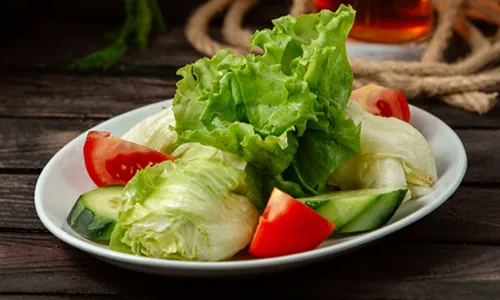
Yes — lettuce does contain fiber, though not in huge amounts. A 2-cup serving of romaine has about 1.8g of dietary fiber, while iceberg is slightly lower at around 1g per 2 cups. That’s not a lot compared to legumes or whole grains, but it’s not zero either.
When you’re eating lettuce as part of a larger salad — with other vegetables, seeds, or legumes — those fiber grams add up across the whole bowl. The fiber in lettuce contributes to digestive regularity, helps feed beneficial gut bacteria, and adds to your daily total even when the individual amount is modest.
If you’re specifically trying to increase your fiber intake, lettuce alone won’t get you there — but it should absolutely be part of the mix.
Is Iceberg Lettuce Good for You?
Iceberg gets a bad reputation, mostly because it has less nutritional density than darker leafy greens. But that doesn’t mean it’s bad for you — it just means it’s different.
Iceberg lettuce is excellent for hydration (it’s about 96% water), contains small amounts of vitamin K, folate, and potassium, and is virtually calorie-free. If you’re someone who genuinely dislikes the taste of darker greens, iceberg is still a solid stepping stone. It’s far better than eating no greens at all.
The real answer to “is iceberg lettuce good for you?” is: yes, especially if you’re using it as part of a broader diet that includes other nutrient-dense vegetables. Just don’t mistake it for a full substitute for darker greens.
Is Romaine Lettuce Healthy?
Romaine is consistently one of the most nutritious lettuces available. It outperforms iceberg across nearly every nutrient category — significantly more vitamin A, vitamin K, folate, and potassium, with a more substantial fiber content and greater antioxidant activity.
If you’re asking whether romaine lettuce is healthy enough to eat daily — yes, absolutely. It’s a practical, affordable green that delivers genuine nutritional value without requiring any cooking, preparation skill, or expensive ingredients. A bag of romaine from any grocery store is one of the best nutritional buys you can make.
Lettuce Benefits for Men
There are a few lettuce benefits for men that are worth calling out specifically:
- Supports Healthy Circulation: The natural nitrates found in leafy greens help support nitric oxide production, which promotes healthy blood flow and cardiovascular function.
- Prostate health: Folate in lettuce supports healthy cell division, which is important for prostate health as men age.
- Muscle recovery: Vitamin K plays a role in reducing inflammation post-exercise. For men who train regularly, consistent vitamin K intake from foods like lettuce can support faster recovery.
- Weight management: Lettuce is extremely low in calories and high in volume, making it a useful tool for men managing their weight without sacrificing meal size.
- Bone density: Men over 50 lose bone density faster than most people realize. The vitamin K in lettuce supports bone mineral density, which becomes increasingly important with age.
Is Lettuce Good for Hemorrhoids?
Yes — and here’s why. Hemorrhoids are worsened by constipation and straining, both of which are directly linked to a low-fiber, low-hydration diet. Lettuce helps on both fronts. The fiber content supports regular bowel movements, and the high water content keeps stools soft and easier to pass.
Lettuce won’t cure hemorrhoids on its own, but as part of a high-fiber, well-hydrated diet, it actively reduces the conditions that cause flare-ups. Romaine and butterhead varieties are your best choices here, as they have the most fiber relative to other types.
If you’re managing hemorrhoids, pair lettuce with other high-fiber foods (beans, oats, whole grains) and make sure you’re drinking enough water throughout the day. That combination is one of the most effective dietary strategies available. As always, talk to your doctor if symptoms are persistent or severe.
Benefits of Eating Lettuce Every Day
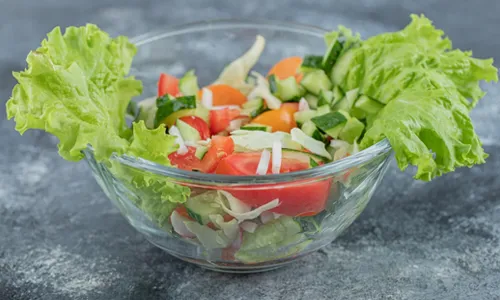
When you commit to eating lettuce daily, the benefits aren’t dramatic overnight — they’re steady and compounding. Here’s what consistent daily intake tends to deliver over time:
- Better hydration baseline, which improves energy and skin
- More regular digestion with fewer episodes of constipation
- Improved vitamin K and folate status, which benefits bones, blood, and cell health
- Lower chronic inflammation over time, especially with darker lettuce varieties
- Lighter, lower-calorie meals that support weight management without feeling restrictive
- Better sleep quality, particularly when eating lettuce in the evenings
None of this requires eating a huge amount. Two cups of romaine at lunch or dinner is enough to meaningfully contribute to all of the above.
Side Effects of Lettuce: When to Be Mindful
Lettuce is generally very safe for the vast majority of people. But like any food, there are a few situations where you’ll want to be aware of potential side effects of lettuce:
- Blood thinners (warfarin/Coumadin): Lettuce is high in vitamin K, which plays a role in blood clotting. If you’re on blood thinners, don’t avoid lettuce entirely — just keep your intake consistent so your medication dosage stays stable. Talk to your doctor or pharmacist.
- Digestive sensitivity: Some people with IBS or sensitive digestive systems find that large amounts of raw lettuce causes bloating or gas. Cooking it slightly or starting with smaller amounts can help.
- Food safety: Pre-washed bagged lettuce has been involved in E. coli outbreaks before. Always wash fresh lettuce thoroughly under cold running water, even if the bag says “triple-washed.”
- Pesticide residue: Lettuce frequently appears on the EWG’s Dirty Dozen list. If this concerns you, choose organic or wash very thoroughly.
- Latex-fruit syndrome: Rarely, people with a latex allergy may have a cross-reaction to lettuce. If you notice itching or tingling after eating it, consult an allergist.
For most healthy adults, none of these are serious concerns — just things worth knowing.
What's the Healthiest Lettuce to Eat?
Frequently Asked Questions
What are the main lettuce health benefits?
Lettuce supports bone health through vitamin K, promotes hydration, helps with sleep due to lactucin, supports heart health, reduces inflammation, and promotes healthy vision through beta-carotene and lutein.
What are the key nutrients in lettuce?
Lettuce contains vitamin K, vitamin A (as beta-carotene), folate, vitamin C, potassium, calcium, iron, and dietary fiber, along with antioxidants such as lutein, anthocyanins, and beta-carotene.
Is iceberg lettuce good for you?
Yes, iceberg lettuce is good for you. It’s extremely hydrating, low in calories, and contains small amounts of vitamin K, folate, and potassium. It’s less nutrient-dense than romaine or red leaf but still a healthy food choice.
Is romaine lettuce healthy?
Romaine lettuce is one of the most nutritious types of lettuce available. It’s high in vitamin K, vitamin A, folate, and potassium, and contains more fiber and antioxidants than iceberg. It’s a great daily green.
Does lettuce have fiber?
Yes, lettuce has fiber. Romaine provides about 1.8g per 2-cup serving. Iceberg has slightly less at around 1g. While not a high-fiber food on its own, lettuce contributes to daily fiber intake as part of a broader diet.
Is lettuce good for hemorrhoids?
Lettuce helps manage hemorrhoid symptoms by providing fiber that supports regular bowel movements and water content that keeps stools soft. It won’t cure hemorrhoids but can reduce the constipation and straining that worsen them.
What are the side effects of lettuce?
Lettuce side effects are rare. People on blood thinners should keep vitamin K intake consistent. Some people with sensitive digestion may experience bloating from large amounts of raw lettuce. Food safety handling is important, as lettuce has been linked to E. coli outbreaks.
Which lettuce is the healthiest?
Romaine lettuce is generally considered one of the healthiest varieties because it contains more vitamin A, vitamin K, folate, fiber, and antioxidants than iceberg lettuce.

Lettuce health benefits are real, varied, and accessible to anyone with a grocery budget. It supports your bones, your heart, your sleep, your eyes, your digestion — and it does all of this for virtually zero calories.
The next time you’re building a meal, don’t treat lettuce as the throwaway base. Give it the credit it’s earned. Pick the darkest variety you enjoy, eat it regularly, and let the compounding benefits do their thing.