When it comes to male fertility, many factors influence the journey from sperm production to successful fertilization. Among these, albumin emerges as a crucial protein that plays a remarkable role in preparing sperm for their ultimate mission. Understanding the albumin benefits for sperm and fertilization can provide valuable insights for couples trying to conceive and healthcare providers working in reproductive medicine.
What Is Albumin and Why Does It Matter?
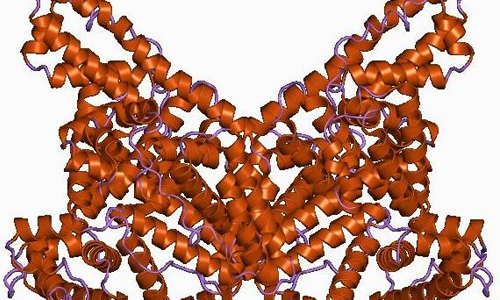
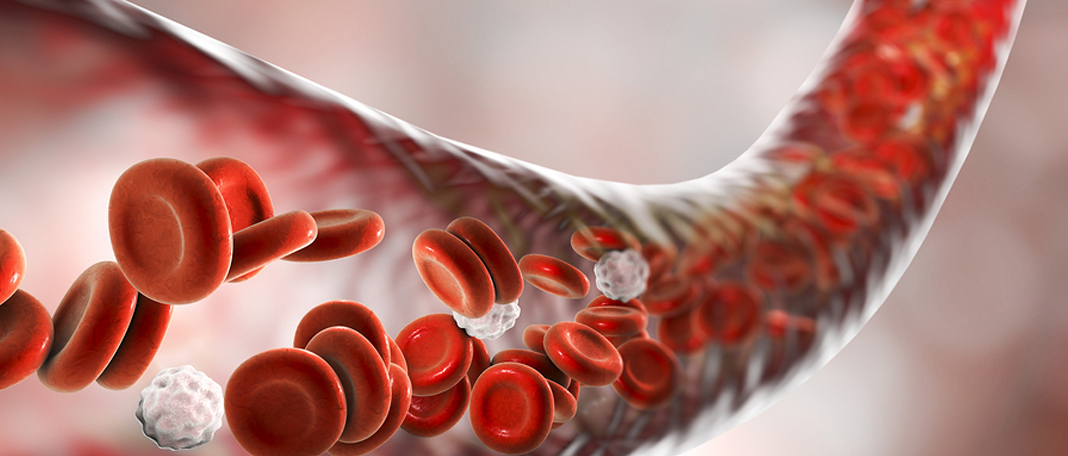
Albumin is one of the most abundant proteins in the human body, accounting for approximately 60% of all plasma proteins. This versatile protein serves multiple functions, including maintaining oncotic pressure, transporting various substances throughout the body, and regulating pH levels. In the context of male fertility, albumin takes on a specialized role that directly impacts sperm function and fertilization success.
The protein is naturally present in both seminal plasma and female reproductive fluids, but at varying concentrations that serve different purposes throughout the fertilization process.
The Science Behind Albumin's Role in Sperm Function
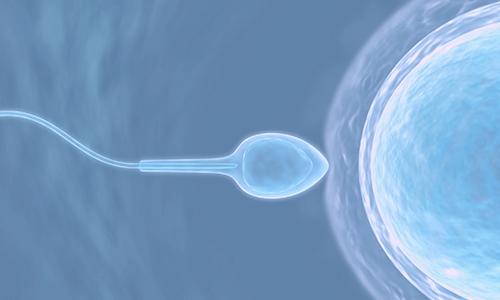
Recent groundbreaking research has revealed the specific mechanisms through which albumin benefits sperm and fertilization. The key lies in albumin's ability to activate human voltage-gated proton channels (hHv1) in sperm cells.
Proton Channel Activation
When albumin interacts with sperm, it activates these proton channels, which are essential for several critical processes:
- pH regulation: The channels help maintain optimal intracellular pH levels
- Charge balance: They compensate for metabolic changes within the sperm cell
- Protein function optimization: Proper pH levels ensure that sperm proteins work efficiently
The Capacitation Process
One of the most significant benefits is its role in capacitation. Sperm capacitation is a complex biochemical process that sperm must undergo to gain the ability to fertilize an egg. This process involves several key changes:
Membrane Modifications
Albumin acts as a cholesterol acceptor, helping remove cholesterol from the sperm membrane. This cholesterol efflux is crucial because it:
- Increases membrane fluidity
- Prepares the sperm for the acrosome reaction
- Enhances the sperm's ability to bind to the egg
Lipid Transfer Activity
Research has shown that albumin preparations containing Lipid Transfer Protein-I (LTP-I) are particularly effective at supporting capacitation. This protein facilitates the transfer of lipids, which is essential for proper sperm membrane function.
Albumin Concentrations: Location Matters
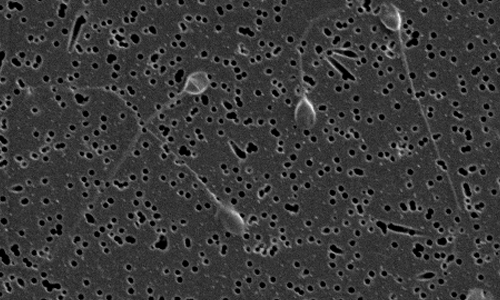
The concentration of albumin varies significantly between different parts of the male and female reproductive systems, and these variations are crucial for proper fertilization:
In Seminal Plasma
The concentration of albumin in semen is relatively low, which is beneficial. This lower concentration prevents premature capacitation, ensuring that sperm remain stable during their journey through the male reproductive tract and initial stages in the female reproductive system.
In Uterine Fluid
The female reproductive tract contains higher concentrations of albumin, particularly in uterine fluid. This higher concentration is precisely what triggers the capacitation process when sperm reach the appropriate location for fertilization.
Clinical Evidence and Research Findings
Laboratory Studies
Research involving over 900 men undergoing fertility assessment has shown correlations between seminal plasma albumin levels and various reproductive parameters, including sperm concentration and morphology.
Assisted Reproductive Technology
In IVF and ICSI procedures, albumin supplementation in culture media is routinely used to:
- Support sperm capacitation
- Improve fertilization rates
- Enhance embryo development
Comparative Studies
Studies comparing different albumin preparations have revealed that the effectiveness of albumin in supporting fertilization depends on factors such as:
- Lipid transfer activity levels
- Presence of contaminating proteins
- Processing methods used in albumin preparation
Factors That Influence Albumin Function
Several factors can affect how well albumin performs its fertility-supporting functions:
Protein Quality
Not all albumin preparations are equally effective. The presence of specific co-factors and the method of protein purification can significantly impact albumin's ability to support sperm capacitation.
Individual Variations
Men may have different baseline levels of albumin in their reproductive fluids, which could influence their fertility potential. However, more research is needed to fully understand these individual variations.
Health Status
Overall health, particularly liver function (since the liver produces albumin), may influence albumin levels and quality in reproductive fluids.
Implications for Male Fertility

For Natural Conception
While you cannot directly supplement albumin for natural conception, maintaining overall health and adequate protein nutrition supports the body's natural albumin production.
For Assisted Reproduction
Fertility clinics routinely use albumin-supplemented media for sperm preparation and embryo culture, highlighting its clinical importance in reproductive medicine.
For Fertility Assessment
Healthcare providers may consider seminal plasma albumin levels as part of comprehensive fertility evaluations, though this is not yet standard practice.
Future Research Directions
Personalized Medicine
Researchers are exploring whether individual albumin levels could be used to predict fertility outcomes and customize treatment approaches.
Therapeutic Applications
Scientists are investigating whether targeted albumin supplementation could improve fertility outcomes in specific patient populations.
Molecular Mechanisms
Ongoing research aims to further clarify the exact molecular pathways through which albumin influences sperm function and fertilization success.
Key Takeaways
- Albumin is essential for sperm capacitation, the process that enables sperm to fertilize eggs
- Concentration matters – different albumin levels in various parts of the reproductive system serve specific purposes
- Clinical applications already exist in assisted reproductive technology
- Quality varies among different albumin preparations, affecting their effectiveness
- Research continues to reveal new aspects of albumin's role in fertility
The relationship between albumin and male fertility demonstrates the intricate biological processes that must align for successful reproduction. While albumin benefits for sperm and fertilization are primarily relevant in clinical settings, understanding these mechanisms provides valuable insights into male reproductive health.
For couples experiencing fertility challenges, working with healthcare providers who understand these complex biological processes can help ensure that all factors contributing to fertility success are properly addressed. As research in this field continues to advance, we may see even more targeted therapeutic applications of albumin in fertility treatment.
Whether you're trying to conceive naturally or considering assisted reproductive technologies, the role of albumin in sperm function represents just one of many fascinating aspects of human reproduction that science continues to unravel.