

Have you ever heard of laudanum? If not, you're in for an intriguing journey through history, medicine, and cautionary tales. So, what is laudanum? This fascinating substance once held a prominent place in medicine but is now shrouded in controversy and regulation. Let’s explore more about it in this blog.
What is Laudanum?
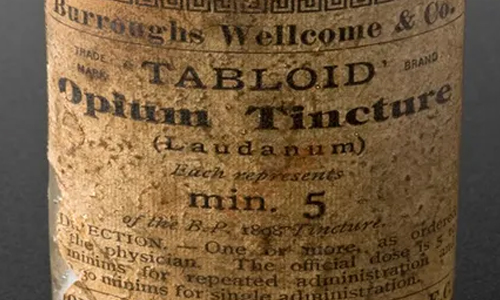
Laudanum is a tincture of opium, containing approximately 10% opium by weight, which equates to about 1% morphine. It was historically used as a painkiller, cough suppressant, and treatment for various ailments. The main active ingredient of laudanum is opium, derived from the poppy plant, which has potent analgesic (pain-relieving) properties. It is a reddish-brown liquid that tastes bitter and unpleasant.
History of Laudanum Use in Medicine

Laudanum's history dates back to the 16th century when it was first concocted by Paracelsus, a Swiss physician and alchemist. He named it "laudanum", which is derived from the Latin word "laudare," meaning "to praise." It was praised for centuries as a go-to remedy for doctors and patients.
In the 19th century, laudanum became immensely popular in the United States and Europe. It was used for everything from easing the pain of childbirth to treating tuberculosis and even calming teething babies.
Medical Uses of Laudanum
Laudanum was typically administered orally, often mixed with other liquids to mask its bitter taste. People used it to relieve pain, combat diarrhea, and reduce coughs. It was also a common treatment for "female problems," including menstrual cramps and hysteria. Its medical uses were extensive, and it was often seen as a cure-all:
1. Easing the Agony

Imagine you’re in the 19th century, and a simple headache feels like a monstrous burden. Laudanum, with its powerful opium content, was a go-to remedy for all types of pain. It could ease anything from a throbbing toothache to the excruciating pain of a broken bone. Have you ever wondered how people managed pain before modern analgesics? They relied heavily on laudanum’s morphine to numb their suffering.
2. Silencing the Cough

Have you ever had a cough that just wouldn’t quit? Now, imagine battling tuberculosis with nothing but herbal teas and wishful thinking. Enter laudanum. Its opium content made it incredibly effective in reducing severe coughs, especially those persistent, painful ones associated with tuberculosis. The remedy would calm the respiratory system, allowing patients some much-needed rest. But it wasn't just the lungs that it calmed; it also had a sedative effect on the brain.
3. Taming the Stomach

Travel back to a time when gastrointestinal issues could be life-threatening. Diarrhea, particularly from infectious diseases, could lead to severe dehydration and even death. Laudanum came to the rescue by slowing down bowel movements. The relief from frequent, debilitating diarrhea was almost miraculous. However, this relief was not without risk, as dependency could develop even from such seemingly benign uses. Have you ever had to deal with a severe stomach bug? What is your go-to choice in that situation?
4. Calming the Mind

Have you ever had a night where sleep just wouldn’t come? Laudanum was a common solution for those who deal with chronic anxiety or insomnia in an era without modern sedatives to calm patients and help them sleep. Its soothing properties were a boon for those with anxiety or sleep disorders, soothing their minds and bodies. But, as you might guess, relying on laudanum for sleep wasn’t without consequences. Continuous use led to tolerance, meaning patients needed higher doses for the same effect, eventually leading to addiction.
5. Alleviating Women's Woes
\Think about the discomfort of menstrual cramps and gynecological issues. In the past, women didn’t have the variety of treatments available today. Laudanum was frequently prescribed for these problems, offering relief from menstrual pain and other gynecological issues. It helped manage the pain and provided a sense of calm during distressing times. Have you ever wondered what it was like to endure such issues without modern medicine? While laudanum provided much-needed relief, the risk of addiction and other side effects were significant concerns.
Interactive Corner
Imagine living without the medical advancements we have today—would you have taken laudanum to ease your ailments? Share your thoughts and any interesting historical anecdotes you might know!
Hazards of Laudanum
Understanding the hazards of laudanum is crucial, especially considering its potent effects:
1. Highly Addictive

Due to its opioid content, regular use can quickly lead to dependency, making it difficult for individuals to stop without experiencing withdrawal symptoms.
2. Risk of Overdose

If laudanum is taken in large amounts, symptoms of overdose include respiratory depression, unconsciousness, and potentially death.
3. Common Side Effects

Chronic use can lead to more severe health issues, such as nausea, vomiting, chronic constipation, and drowsiness. organ damage and mental health problems.
4. Legal Issues

Due to its potential for abuse, laudanum is highly regulated. Possessing or using it without a prescription is illegal and can result in severe legal consequences.
Dependency Risks of Laudanum
As laudanum use grew, so did the awareness of its darker side. By the late 19th and early 20th centuries, the addictive nature of opium became painfully clear. Dependency and overdose were common, and laudanum was responsible for countless cases of addiction and death. In fact, several famous writers and poets were known laudanum users.
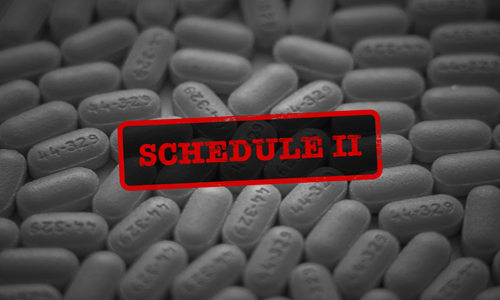
The addictive potential and the severe side effects eventually led to stricter regulations. The Harrison Narcotics Tax Act of 1914 marked the beginning of the end for over-the-counter laudanum in the U.S. Today, it's classified as a Schedule II drug under the Controlled Substances Act, meaning it's considered to have a high potential for abuse, with use potentially leading to severe psychological or physical dependence.
Famous Historical Figures Who Used Laudanum
1. Samuel Taylor Coleridge
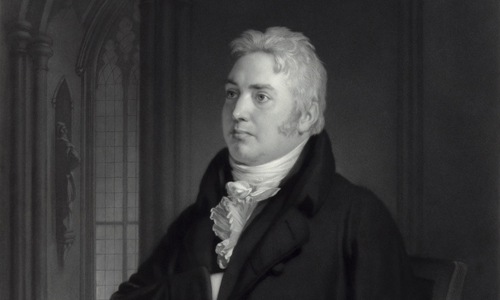
Samuel Taylor Coleridge, the renowned poet, used laudanum initially to treat his physical ailments. However, his use soon turned into addiction, deeply affecting his creativity and personal life. Coleridge often wrote about his struggles, and his dependency on laudanum contributed to his declining health and productivity.
2. Charles Dickens

Charles Dickens, another literary giant, used laudanum for insomnia and pain relief. His addiction, though not as severe as Coleridge's, still had significant effects. Dickens's laudanum use led to erratic behavior and mood swings, impacting his social relationships and possibly influencing the darker themes in his later works.
3. Elizabeth Barrett Browning

Elizabeth Barrett Browning, a celebrated poet, used laudanum for chronic pain and lung issues. Her long-term use led to severe dependency, impacting her physical and mental health. Despite this, she continued to produce remarkable poetry, though many believe her addiction shortened her life.
Why Was Laudanum Popular in the Victorian Era?
Imagine living in a time when medical knowledge was limited, and effective treatments were scarce. Laudanum offered a powerful remedy for a range of ailments, from pain relief to insomnia. Its versatility made it a household staple. But did you know it was also unregulated and widely available? This easy access meant people could self-medicate, often unaware of the risks. Would you have turned to this remedy if you lived in those times? Share your thoughts!
Modern Use and Regulations
In modern medicine, laudanum is rarely used, and when it is, it's under strict medical supervision. It's sometimes employed in treating severe diarrhea in palliative care settings, where other treatments have failed. However, its use is highly regulated, and prescriptions are rare.
Comparing Laudanum and Modern Painkillers
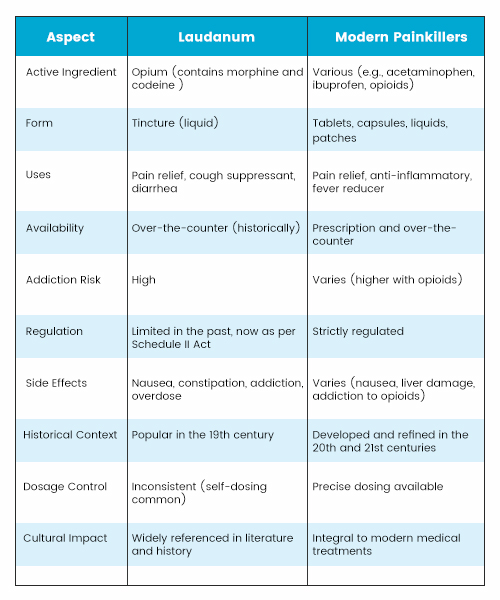
As medical science has advanced, so too have our methods. To understand how far we've come, let’s compare the historical use of laudanum with today's modern painkillers. This table highlights key differences and improvements in pain management from the past to the present.
Final Thoughts
The substance serves as a powerful reminder of the fine line between medicine and poison. While it played a significant role in medical history, including its historical context of "what is laudanum," its potential for abuse and addiction cannot be overlooked. Today, it’s a symbol of the progress we've made in understanding and regulating powerful substances.
Have you ever come across references to it in literature or history? How did those stories portray its use? Share your thoughts!