

Living with diabetes can feel overwhelming, but with the right care, knowledge, and lifestyle choices, you can significantly reduce the risks of complications. Diabetes management is not just about blood sugar levels—it’s about protecting your heart, kidneys, eyes, and overall well-being. This guide will help you understand how to prevent diabetes complications.
Understanding Diabetes Complications
Diabetes, if not well-managed, can lead to several serious health issues. Some complications develop gradually, while others can arise suddenly. Being aware of these risks allows you to take preventive measures early.
Common Diabetes Complications and Prevention
- Cardiovascular Disease - Diabetes increases the risk of heart disease, stroke, and high blood pressure.
- Kidney Damage (Diabetic Nephropathy) - High blood sugar can damage the tiny blood vessels in the kidneys, leading to kidney failure.
- Nerve Damage (Diabetic Neuropathy) - This can cause tingling, numbness, and pain, especially in the feet.
- Eye Problems (Diabetic Retinopathy) - High blood sugar levels can damage the blood vessels in the eyes, increasing the risk of blindness.
- Foot Problems - Poor blood circulation and nerve damage can lead to slow-healing wounds and even amputation in severe cases.
- Skin and Gum Infections - Diabetes can weaken the immune system, making infections more likely.
Understanding these risks helps in taking steps to prevent or slow down their progression.
Foods to Eat and Foods to Avoid
Diet plays a crucial role in managing diabetes and preventing complications. Choosing the right foods can help regulate blood sugar levels and reduce inflammation.
Foods to Eat
To prevent diabetes complications, focus on eating nutrient-dense, fiber-rich foods that help regulate blood sugar levels, provide steady energy, and support overall heart and metabolic health while avoiding those that cause rapid blood sugar spikes.

Foods to Avoid
To prevent diabetes complications, avoid foods that cause blood sugar spikes, such as those high in refined sugars, unhealthy fats, and processed ingredients, which can lead to inflammation and disrupt blood sugar control.

When to Consult a Doctor?
Regular check-ups are essential when managing diabetes. You should see your doctor if you experience the below conditions.
- Persistent high blood sugar levels despite following your treatment plan.
- Signs of nerve damage (tingling, burning, or loss of sensation in your hands or feet).
- Vision changes, such as blurred vision or dark spots.
- Unexplained weight loss or fatigue.
- Slow-healing wounds or frequent infections.
Your healthcare provider can adjust your treatment plan and recommend additional screenings, or lifestyle changes if necessary.
Early Warning Signs of Diabetes Complications
Sometimes, complications develop quietly, with few noticeable symptoms. Pay attention to certain things that are discussed below:
- Increased thirst and urination: This could indicate kidney issues.
- Swelling in legs and feet: A sign of poor circulation or kidney trouble.
- Chest pain or shortness of breath: A possible indication of heart problems.
- Frequent infections or slow-healing wounds: A sign of weakened immunity.
- Numbness in hands or feet: This may indicate nerve damage.
Catching these warning signs early can help prevent further damage.
Common Myths About Diabetes Complications
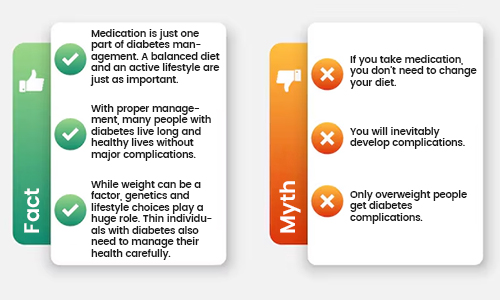
Can Diabetes Be Reversed or Controlled Naturally?
The idea of reversing diabetes naturally is a hot topic, especially for those with type 2 diabetes. While diabetes is a chronic condition, it can often be well-controlled through lifestyle changes, and in some cases, blood sugar levels can be managed so effectively that medication is reduced or even eliminated under medical supervision.
How Can Diabetes Be Naturally Managed?
Diabetes can be managed naturally by following the guidelines below:
- Balanced Diet for Blood Sugar Control
- Regular Physical Activity to Improve Insulin Sensitivity
- Weight Loss and Its Impact on Diabetes Management
- Managing Stress to Prevent Insulin Resistance
- Prioritizing Quality Sleep for Metabolic Health
- Herbal and Natural Remedies for Blood Sugar Regulation
While type 1 diabetes cannot be reversed, type 2 diabetes can often be managed naturally with consistent effort. However, medical supervision is crucial to monitor progress and ensure safe adjustments to treatment plans.
Are Sugar Substitutes Safe for Diabetics?
For those managing diabetes, reducing added sugar intake is crucial, but that doesn’t mean giving up sweetness entirely. Sugar substitutes, also known as artificial sweeteners, or natural sugar alternatives, can help diabetics satisfy their sweet tooth without spiking blood sugar levels.
Types of Sugar Substitutes and Their Safety for Diabetics
| Sugar Substitute | Type | Safe for Diabetics? | Notes |
| Stevia | Natural | Yes | Derived from the stevia plant, has no calories, and does not impact blood sugar. |
| Monk Fruit Sweetener | Natural | Yes | Zero-calorie, low-glycemic, and derived from monk fruit. |
| Erythritol | Sugar Alcohol | Yes | Has minimal impact on blood sugar and is well-tolerated by most people. |
| Xylitol | Sugar Alcohol | In Moderation | Low-glycemic but can cause digestive discomfort in high doses. |
| Aspartame (Equal, NutraSweet) | Artificial | Use in Moderation | FDA-approved, but some people report headaches or sensitivities. |
| Sucralose (Splenda) | Artificial | Use in Moderation | Generally safe but may affect gut health with excessive consumption. |
| Saccharin (Sweet'N Low) | Artificial | Use in Moderation | One of the oldest artificial sweeteners, but controversial for long-term use. |
The best approach is moderation. If possible, opt for natural alternatives like stevia, or monk fruit, and avoid excessive use of artificial sweeteners. Additionally, focusing on naturally sweet whole foods like fruits, nuts, and cinnamon can help satisfy cravings in a healthier way.
Managing diabetes naturally, maintaining a healthy weight, and choosing the right sugar substitutes all play essential roles in preventing complications. While lifestyle changes can make a big impact, it’s always best to consult with a healthcare provider before making major dietary adjustments.
By making informed choices and small sustainable changes, managing diabetes becomes easier, and more effective in the long run.